Key Takeaways
- About two thirds of cats respond to catnip; a higher share — commonly cited around 80% — respond to silvervine. Both are inherited, species-typical play responses, not medicine.
- Matatabi is the Japanese trade name for silvervine — one plant, two search terms, which is why serious listings use both.
- The active compounds are volatile oils; they fade with air, light and heat, so packaging and fill dates are sourcing decisions, not afterthoughts.
- Because these are agricultural inputs, residue screening and supplier declarations belong in the order file like any other material test.
- Claim boundary: describe play behavior in scientific terms. No calming, no anxiety treatment, no addiction language — those words create marketplace risk.
Open the review tab on almost any catnip toy and you will find the same paradox sitting side by side: "my cat went absolutely feral for this" next to "my cat sniffed it once and walked away." Both reviewers are telling the truth. The herb in the toy works on some cats and not others, for reasons fixed in feline DNA — and understanding that mechanism is what separates a cat toy program with clean expectations from one that manufactures its own disappointment.
This guide covers the three attractant plants that dominate the category — catnip, silvervine (sold widely under its Japanese name, matatabi) and honeysuckle — what actually triggers the response, why potency dies on a shelf, what to test before the herb goes into a toy, and where the claim boundary sits on marketplaces.
Three Plants, One Effect — and One Name Confusion
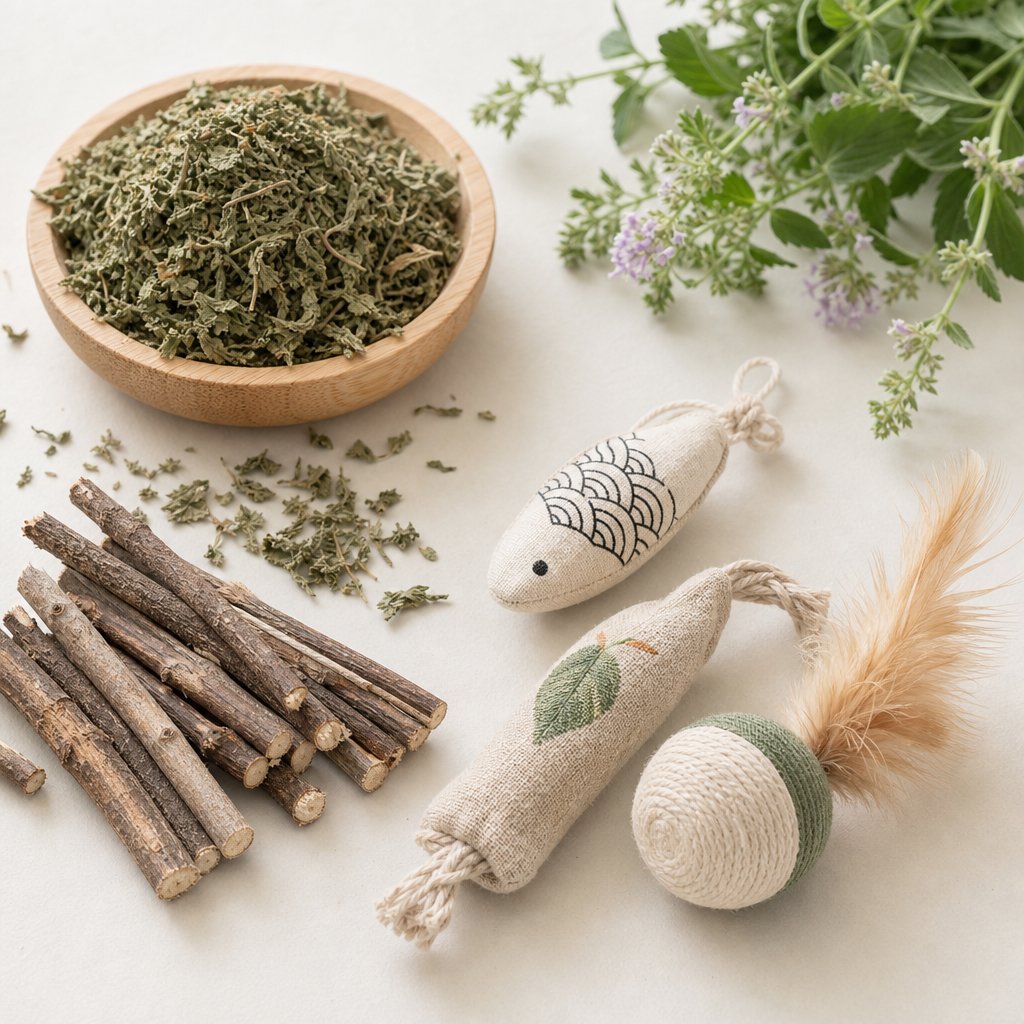
Catnip (Nepeta cataria) is the famous one: a mint-family herb whose leaves and buds carry nepetalactone, the volatile compound behind the classic roll-and-rub response. Silvervine (Actinidia polygama) is a kiwi-relative climbing plant grown in East Asian highlands; in Japan it is sold as matatabi, usually as dried fruit galls or sticks — the same plant under a second trade name, which is why buyers encounter both words and assume two ingredients. Honeysuckle (Tatarian honeysuckle, used as sawdust or shavings) rounds out the trio; its wood contains compounds in the same iridoid family and gives non-responding cats a second option.
The name confusion matters commercially: listings that use "catnip," "silvervine" and "matatabi" as if they were interchangeable dilute all three search terms. Treat catnip and silvervine as two distinct ingredients with different response rates, and spell out in the listing which plant, and which part of the plant, is actually inside.
What Actually Triggers the Response
The mechanism is olfactory, not digestive: volatile compounds reach receptors in a cat's nasal tissue, and the cascade that follows — cheek rubbing, rolling, pawing, a burst of play, sometimes drooling — is a species-typical behavioral response. Two facts about it belong in every sourcing conversation. First, it is inherited: roughly two thirds of domestic cats respond to catnip, and studies report a higher share — commonly cited around 80% — responding to silvervine, including many cats that ignore catnip. That is why ranges pair both herbs rather than betting on one. Second, the response is self-limiting: a few minutes of intensity, then a refractory period in which the cat ignores even fresh herb. Neither fact is a defect — they are the product's operating manual.
Kittens add a caveat: very young cats typically show no response at all, so age framing on packaging ("for adult cats") prevents the most predictable disappointment in the category.
| Attractant | Plant and common form | Response share | Response character | Sourcing notes |
|---|---|---|---|---|
| Catnip | Mint-family herb; dried leaves and buds, loose or in pockets | About two thirds of cats | Rolling, rubbing, playful burst, then a refractory lull | Leaf-and-bud grade matters; volatile oils fade fast in clear bags |
| Silvervine / matatabi | Kiwi-family climber; dried fruit galls, sticks, powder | Higher share, commonly cited around 80% | Similar play response; reaches many catnip non-responders | Plant part drives price and potency; sticks double as chew items |
| Honeysuckle | Tatarian honeysuckle wood; sawdust or shavings | Minority of cats respond | Same family of compounds; a third option in blends | Wood quality and cleanliness vary; verify origin and moisture |
Filling Volume and Fading: Why Potency Dies on the Shelf
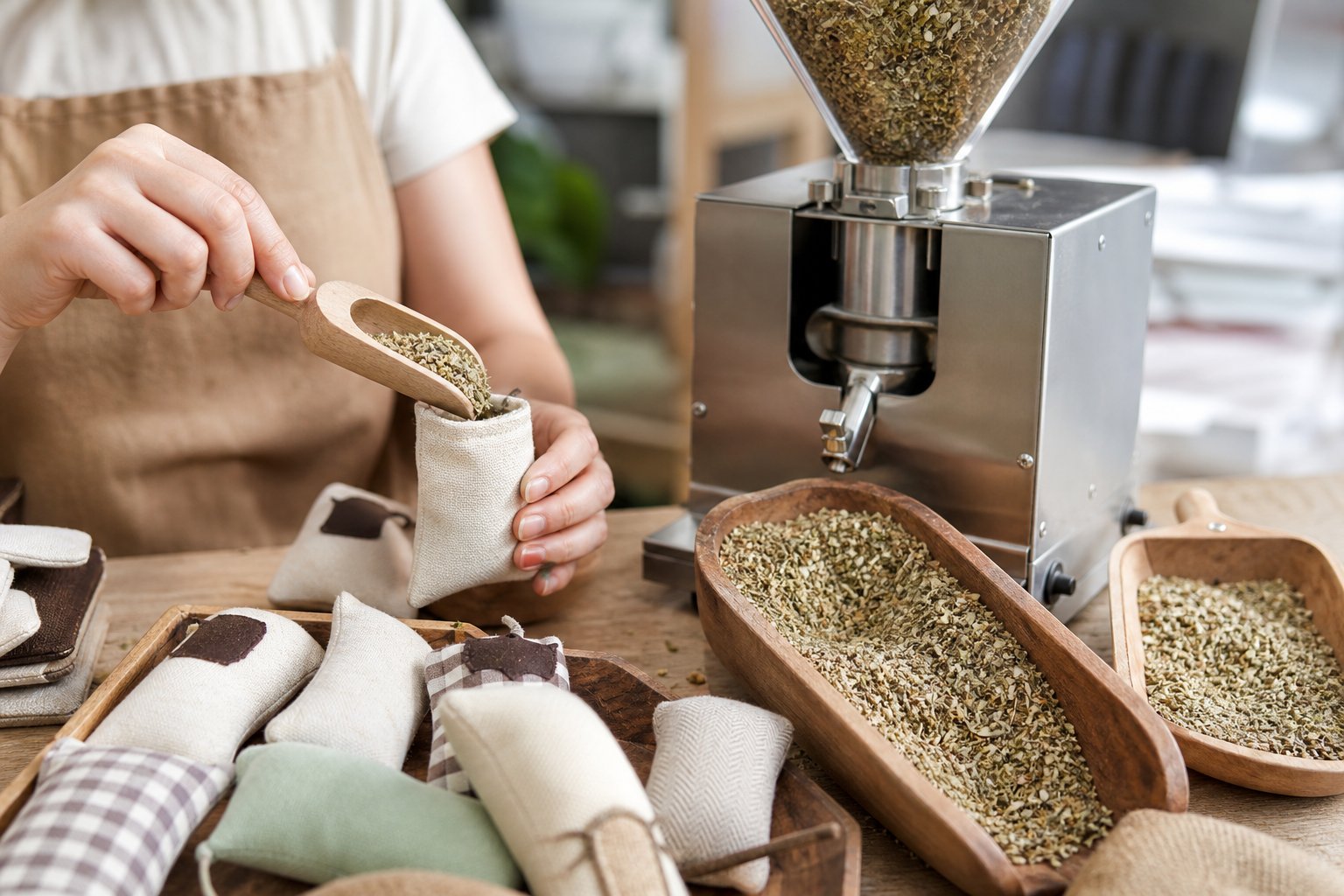
Two quiet decisions decide whether an attractant toy delights or disappoints. The first is fill volume: a pinch of herb in a large cavity reads as "doesn't work" within a week. The professional approach is a declared fill weight per toy, a visible fill layer or refillable pocket, and a construction that puts the herb where a cat's nose actually goes — cheeks and paws, which is why mat-fill and belly-fill beat tail-fill.
The second is volatility. The active compounds are essential oils that dissipate with air, light and heat. Clear polybags on a sunlit shelf bleed potency for entertainment; sealed foil, opaque packaging and a fill-date on the box preserve it. Crushing refreshes a toy briefly — rupturing more oil structures releases aroma — which is the honest explanation behind "just squeeze it to revive it" care tips, and the reason refillable pockets exist. Agree fill weight, packaging format and fill dates in the PO; potency on arrival is a purchasable property.
Sourcing and QA: Test the Herb Like a Material
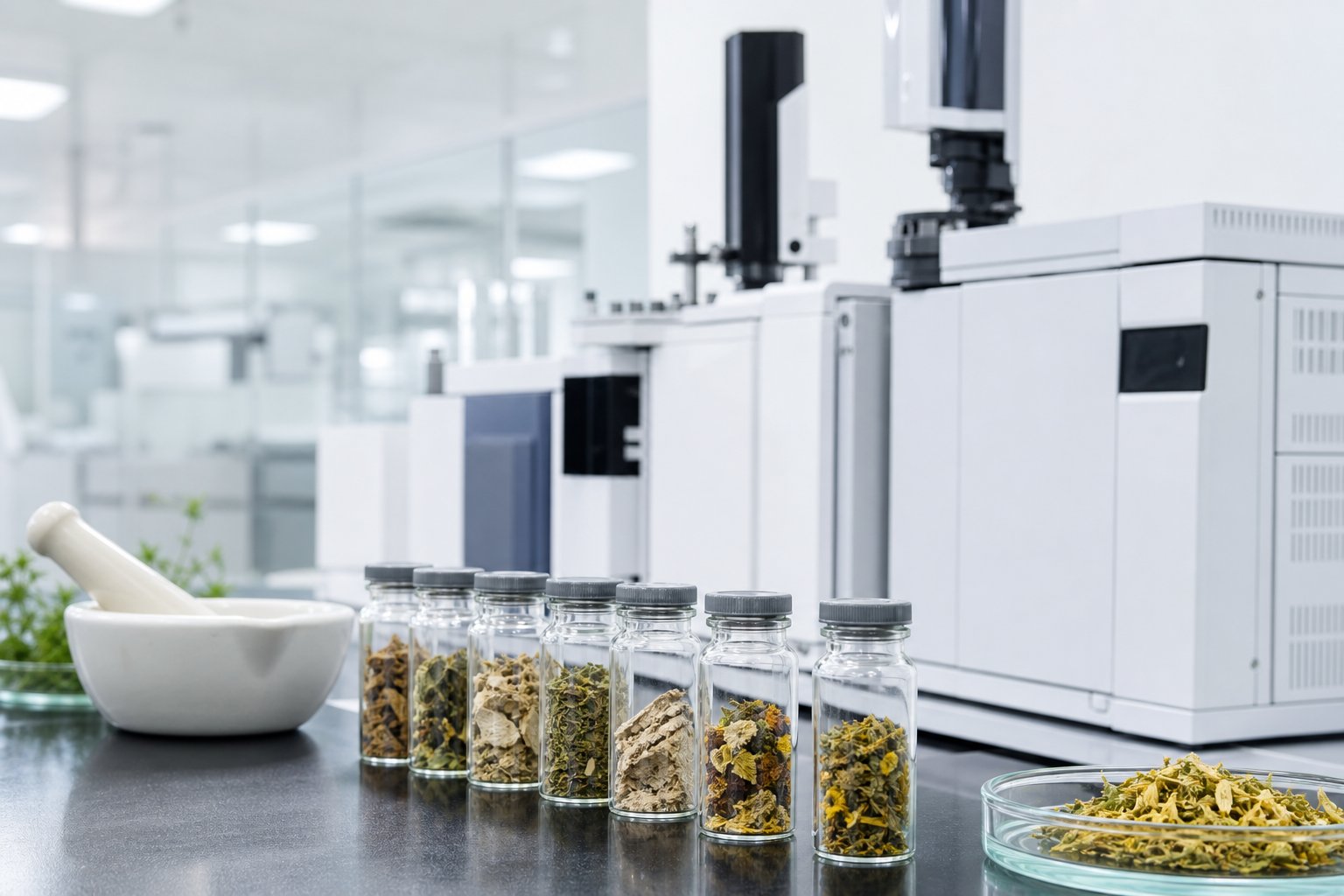
Dried plants are agricultural inputs, and they inherit every agricultural risk. A working QA file for attractant herbs looks like any other material file:
- Origin declaration — growing region, harvest year and plant part, in writing; "matatabi sticks" alone is not a specification.
- Residue screening — pesticide residue testing against your market's expectations; EU-bound programs should treat this as standard, not optional.
- Moisture and cleanliness — over-moist herb molds in transit; sand and stem fragments generate the "full of sticks" review.
- Packaging spec — sealed, opaque inner liners with a stated fill-by window, verified against the golden sample at goods-in.
The wider QC logic — lot sampling, sealed references, documented results — is the same one described on our quality page, and herbs slot into the material categories of our materials matrix like any other input.
Frequently Asked Questions
Why does my cat ignore catnip toys?
What is the difference between silvervine and matatabi?
Do cat toy herbs lose potency over time?
What claims can I legally make about catnip toys?
Building a cat line with attractant herbs done properly?
Tell us your format — we quote herb grades, fill weights and packaging options with FOB ranges and the residue test plan.