

Building a Pet Toy Supply Chain from Zero: A Founder's Path
A founder's path from first sample to repeatable pet toy supply: stage-by-stage costs and timelines, common traps and when to bring in a supply chain partner.
Read the guide →Materials & Design 材质与设计 · 18 articles
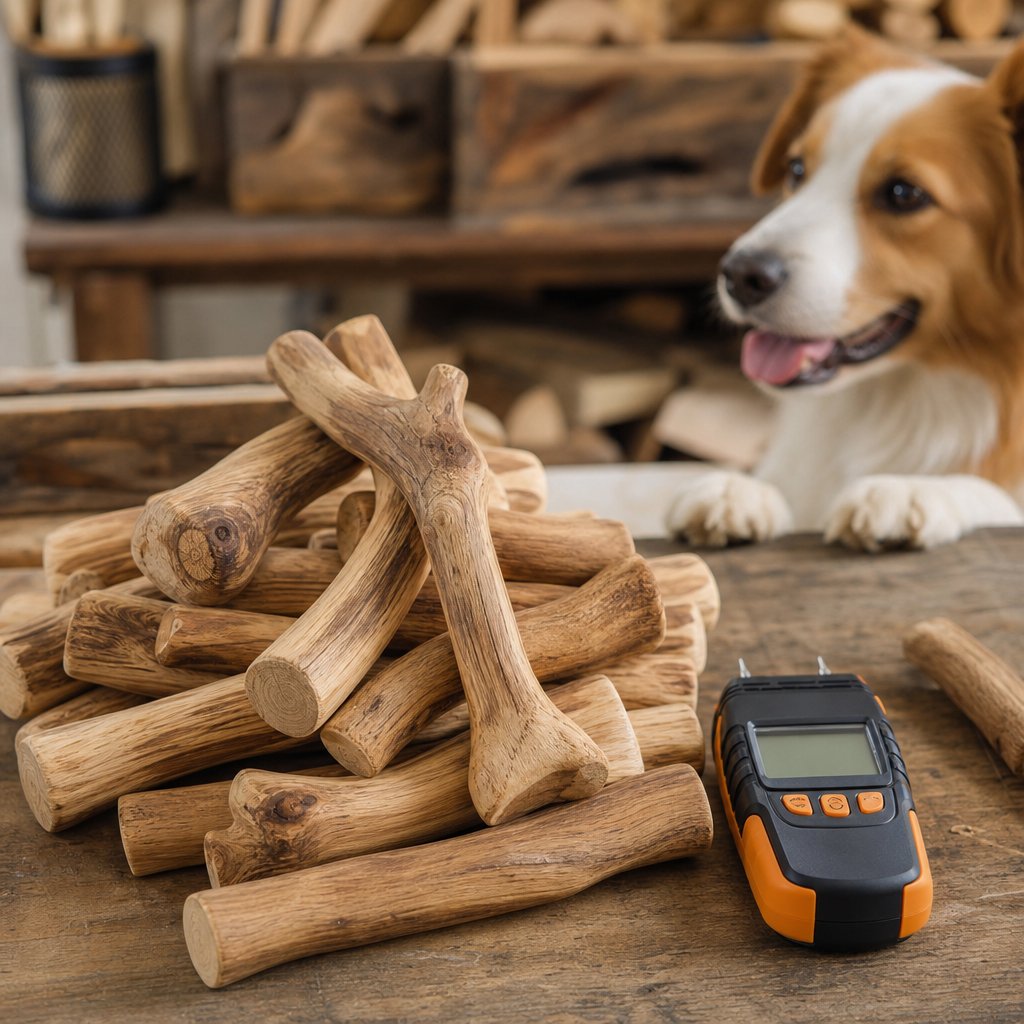
Wood and Coffee-Wood Dog Chews: Sourcing, Splitting and Moisture Control
Coffee-wood and wood dog chews for buyers: where the raw material comes from, grading, why chews split, moisture control and export paperwork essentials.
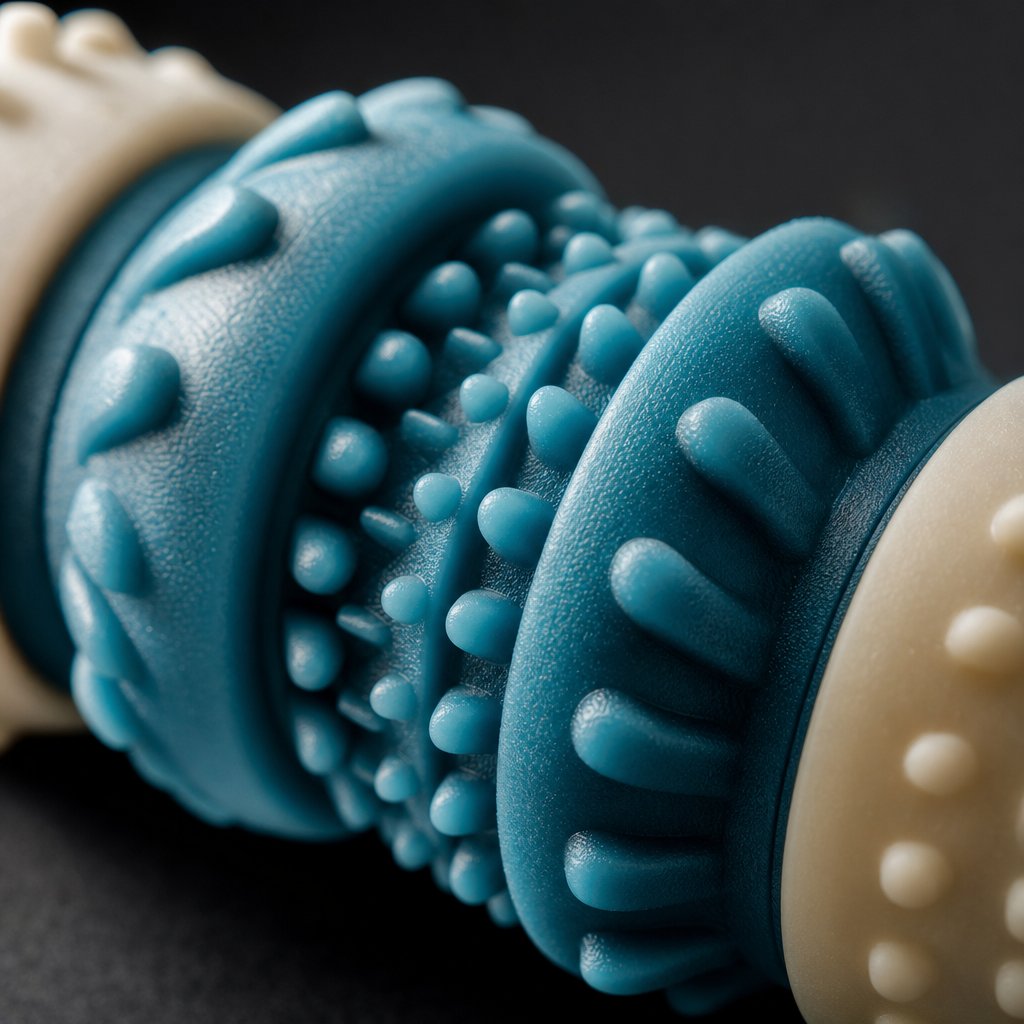
Dental Claims on Dog Toys: What Textured Surfaces Can and Cannot Promise
Dental positioning sells — until the takedown. What textured chew toys honestly do, wording that passes review and the design choices that back every claim up.

Rope, Plush or Rubber: Choosing Toy Types by Dog Life Stage
A buyer's map of dog toys by life stage: what teething puppies, adults and seniors need, which materials fit each phase and how to stage-bundle a range.
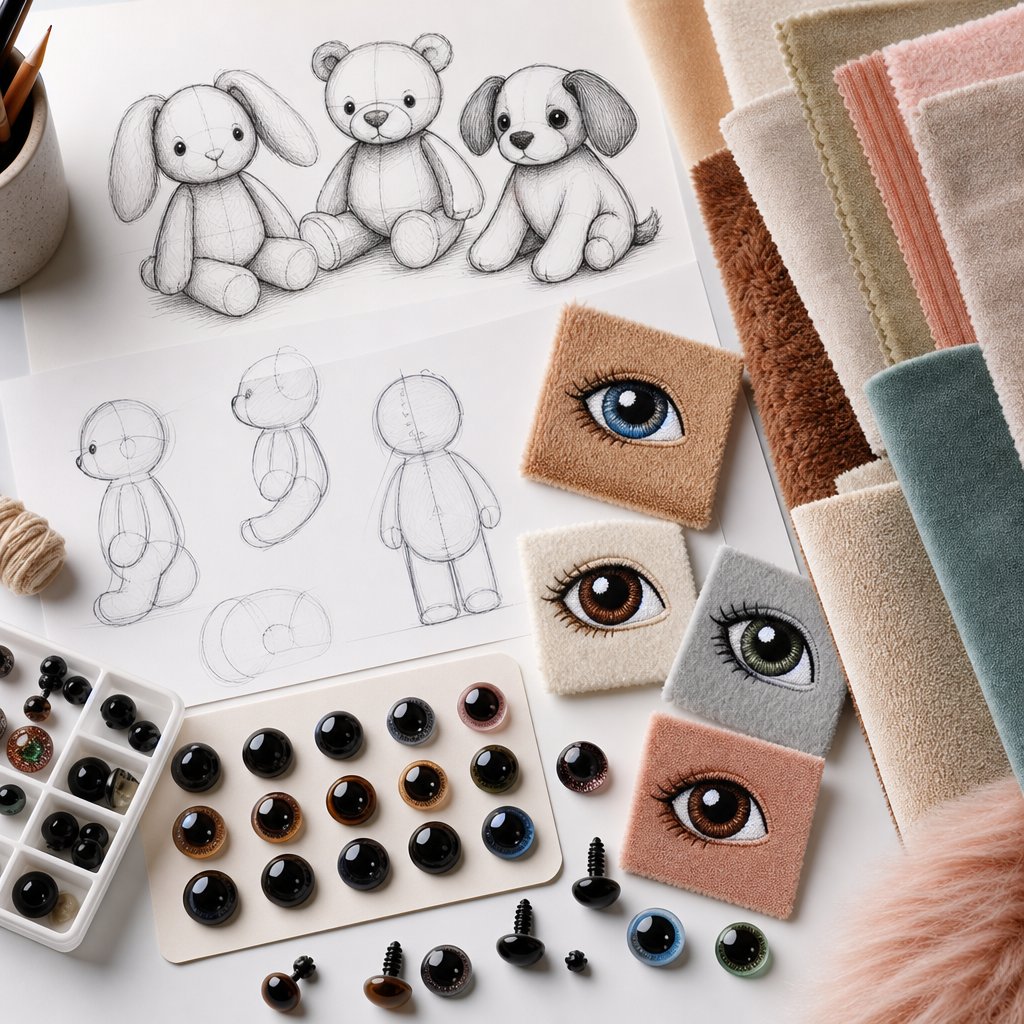
Design for Safety: Small Parts, Seams and Eye Embroidery Rules
Pet toy design rules that prevent the failures buyers pay for: eye and nose attachment, seams, squeaker pockets, rope ends and a pre-sampling review.

Color Masterbatch Safety in Pet Toys: Heavy Metal Limits That Matter
Where heavy metals hide in colored pet toys, how EN 71-3 migration testing works and the clauses that lock colorant quality into your purchase order.
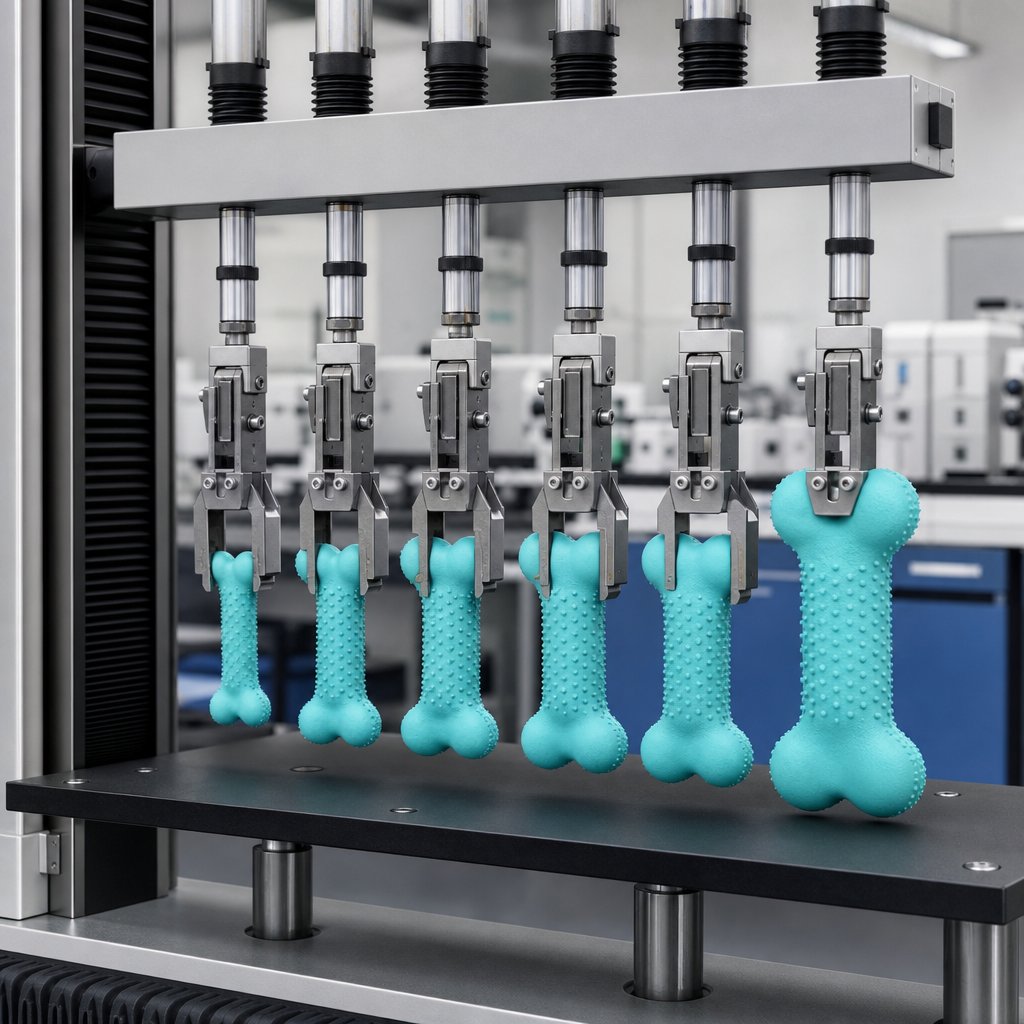
Bite Strength Ratings: How Suppliers Should Label Toy Durability
No official durability scale exists for dog toys: a three-tier bite strength framework, bench tests behind each tier and wording that passes review.
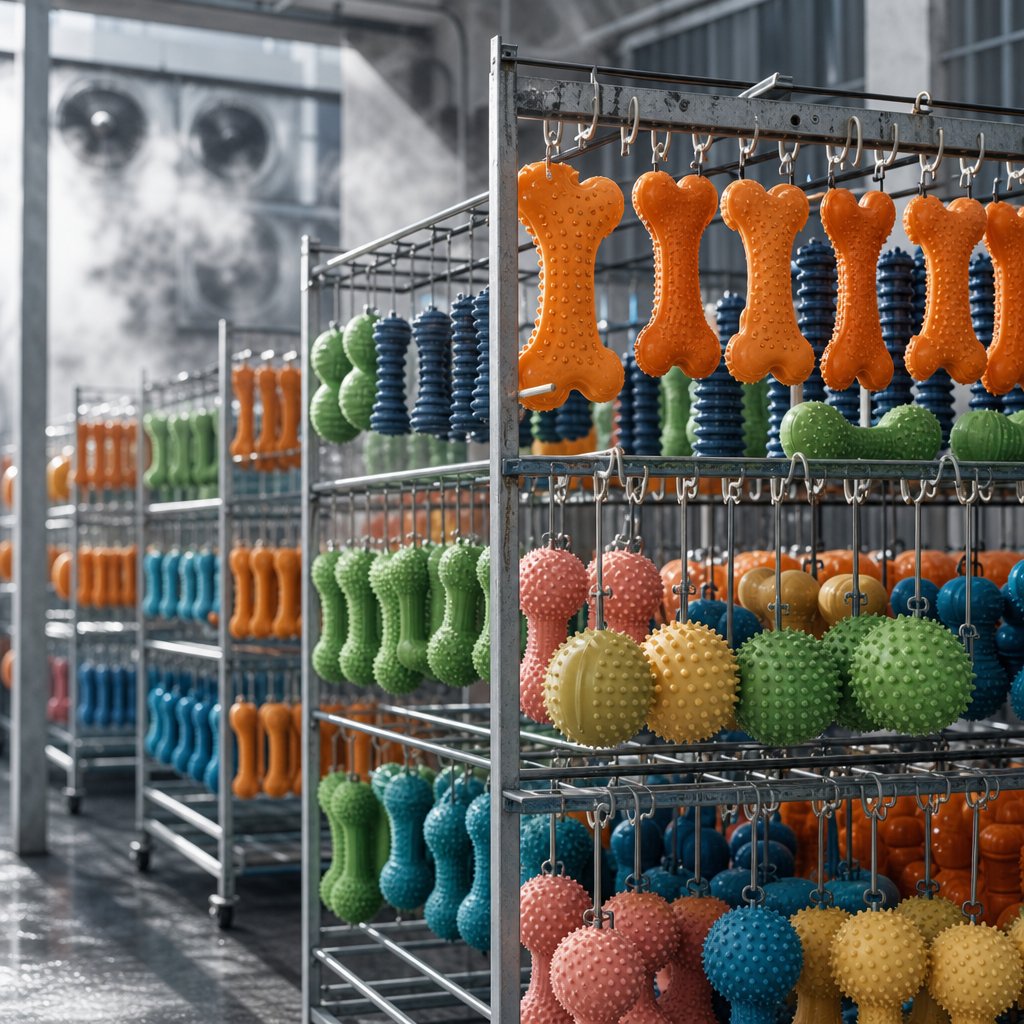
Why Some Rubber Toys Smell: Odor Control in Rubber and TPR Production
Where rubber toy odor comes from: curing residues, recycled content and process oils — low-odor formula costs, airing and sensory protocols, and order wording.
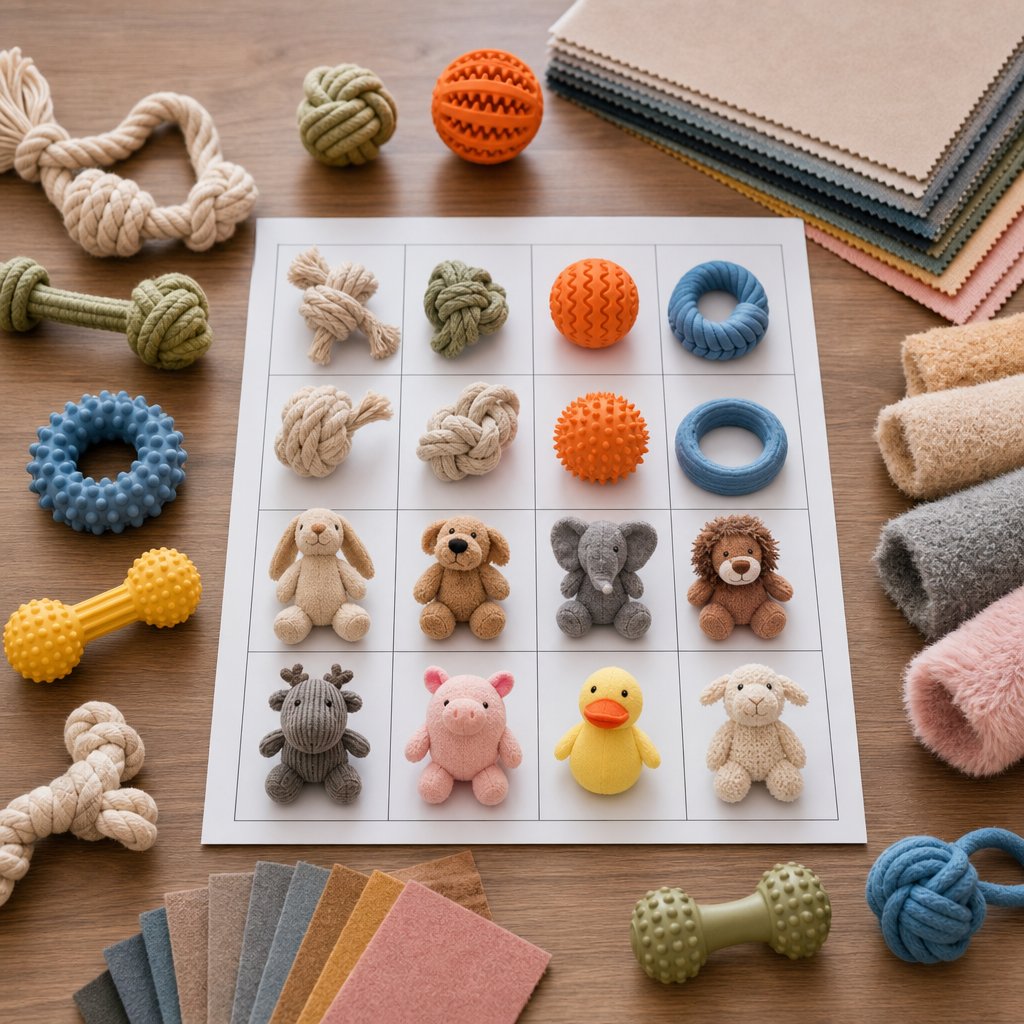
Pet Toy Material Selection Matrix: Species, Bite Style and Price Tier
A reusable selection matrix for pet toy buyers: species, bite style and three price tiers mapped to material combinations, failure modes and five rollout steps.

Eco-Friendly Pet Toys: Natural Rubber, Recycled Fill and Certified Wood
Eco pet toys built on evidence: natural rubber, recycled fill and certified wood — claim wording, testing support and greenwashing risks to avoid.
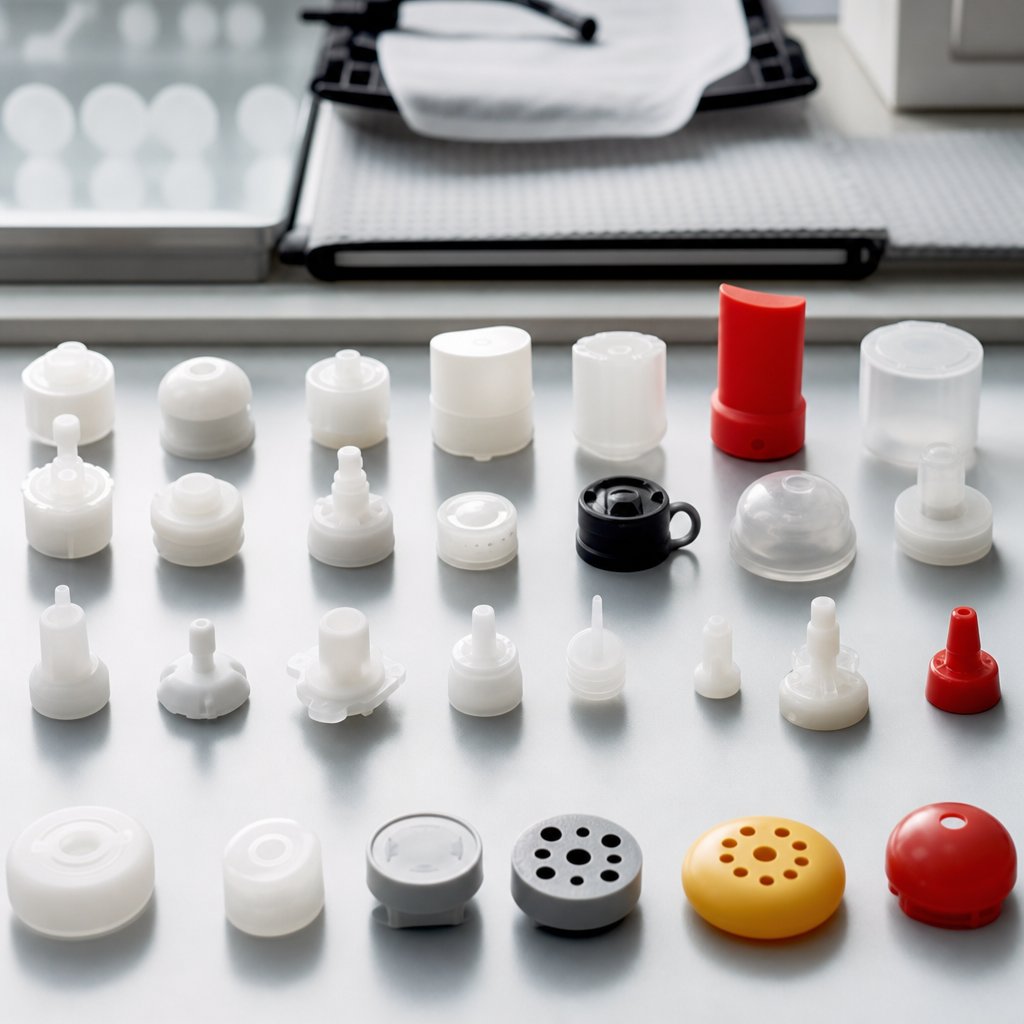
Squeaker Units Explained: Types, Loudness and Failure Modes
Dog toy squeakers compared: flat reed, dome and electronic units — loudness classes, mute and escape failure modes, fixing methods and spec fields for orders.

Catnip, Silvervine and Matatabi: How Cat Toy Additives Actually Work
Catnip, silvervine and honeysuckle in cat toys: the science of the response, filling and potency decay, sourcing tests and claim limits for marketplaces.
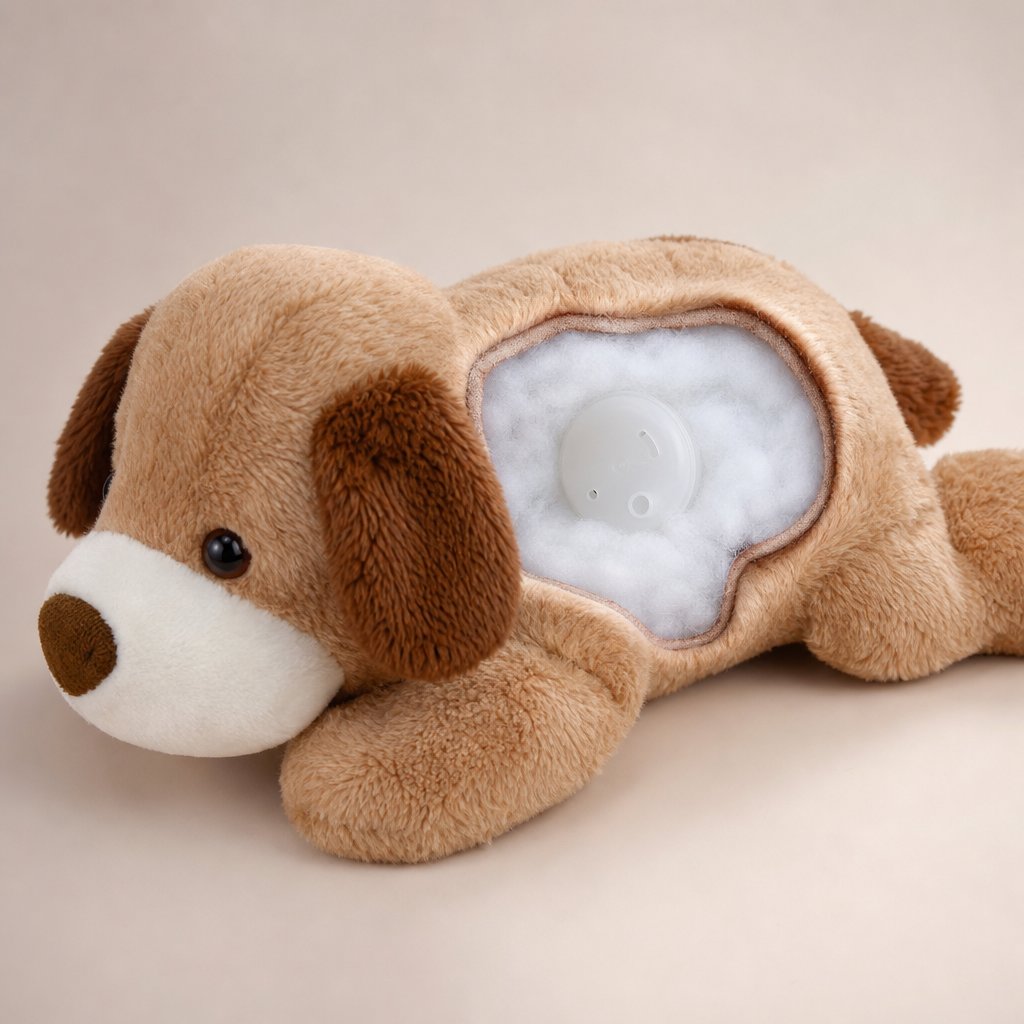
What Is Inside a Plush Dog Toy: Stuffing, Squeakers and Safety Layers
Inside plush dog toys: PP cotton, pearl cotton and recycled fill compared, squeaker fixing methods, inner safety liner design and a buyer disassembly checklist.

Cotton Rope Grades for Dog Toys: Ply, Density and Shedding
Cotton rope for dog toys: ply and twist construction, virgin vs recycled cotton shedding, dye color fastness, and choosing diameter by dog size and play style.
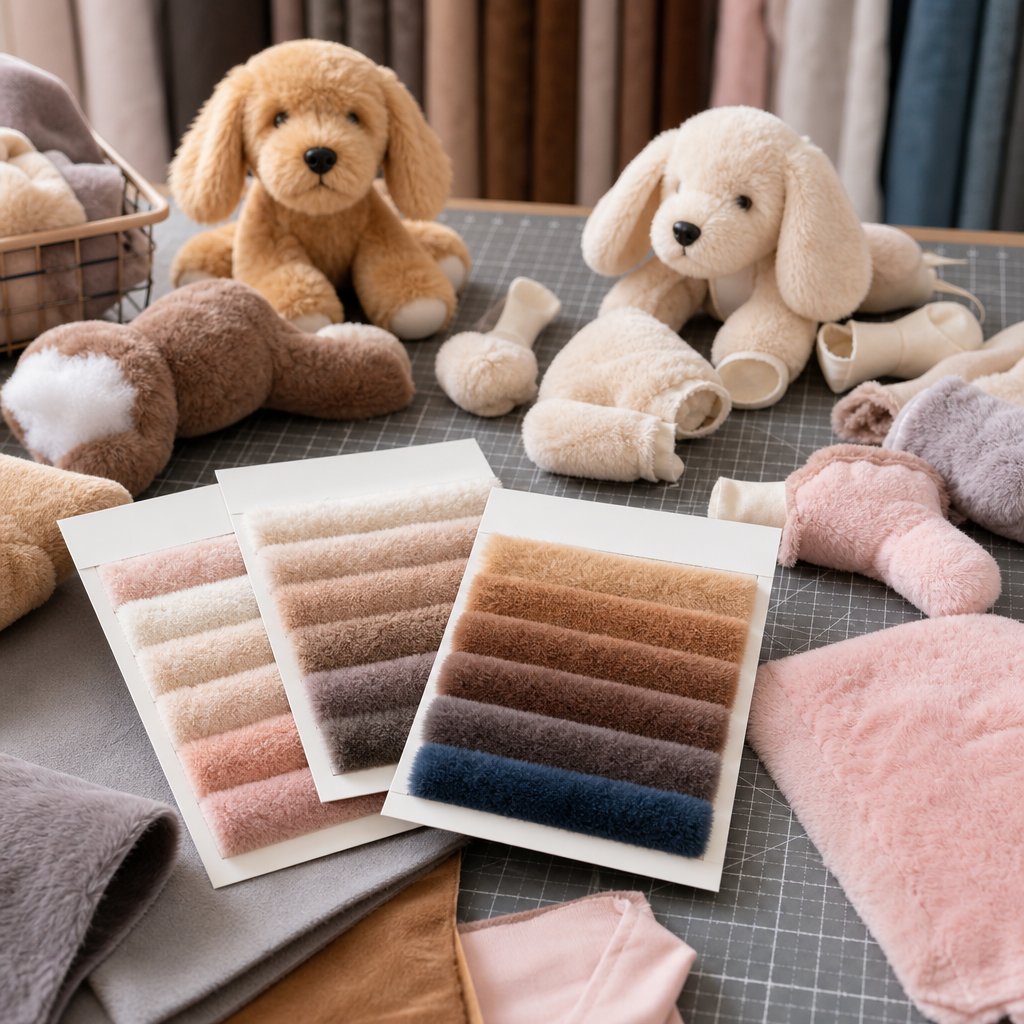
Plush Fabric 101: Velour, PV Fleece and Imitation Rabbit for Pet Toys
Plush fabric types for pet toys compared: velour, PV fleece and imitation rabbit — weight and pile specs, shedding behavior and how to catch weight mislabeling.
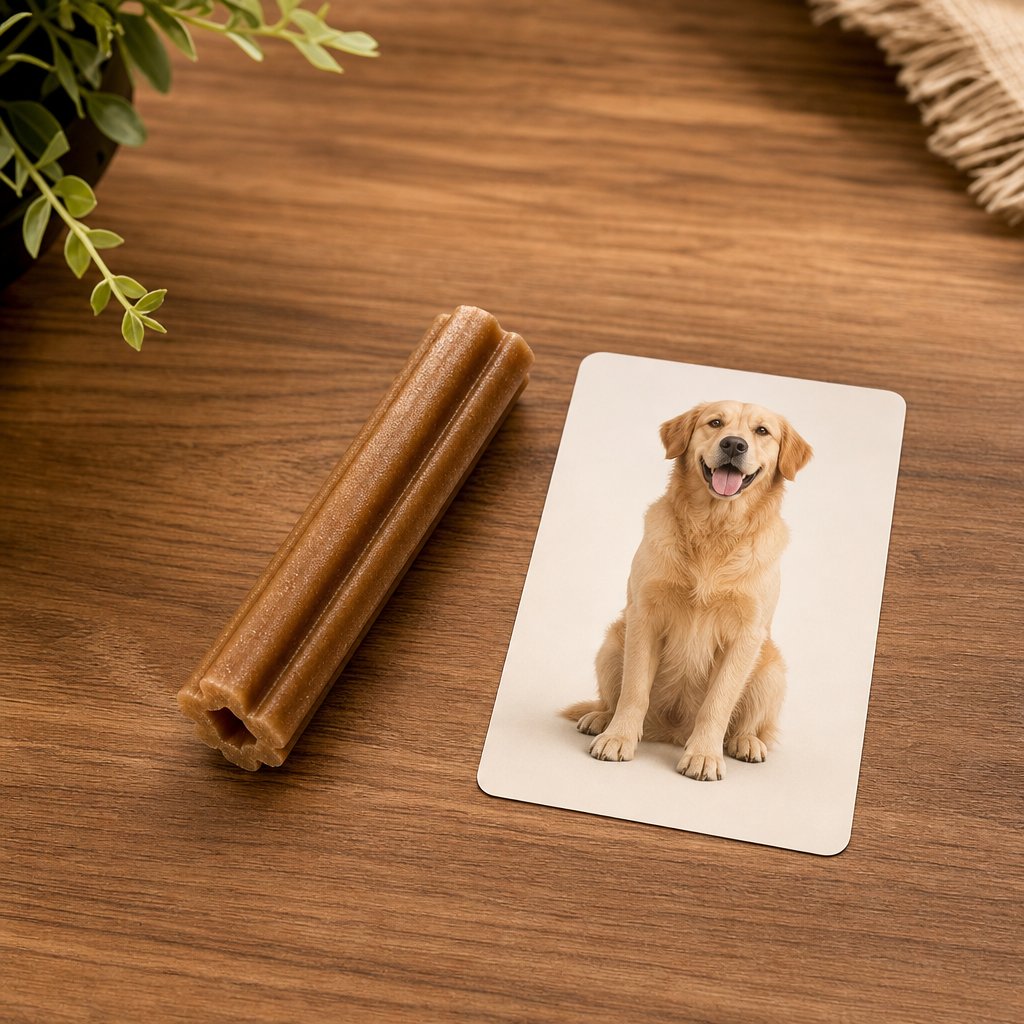
Nylon Chew Toys: Sizing, Hardness and the Power-Chewer Question
Nylon chew toys for buyers: how PA wears into shavings, sizing by dog class, flavor masterbatch process, honest limits and how to spec hardness in orders.

Natural Latex vs Vinyl Dog Toys: Why EU Buyers Are Switching
Natural latex vs vinyl dog toys compared: dipping vs rotocast processes, feel, scent, EU phthalate pressure and line economics for squeaky toy programs.
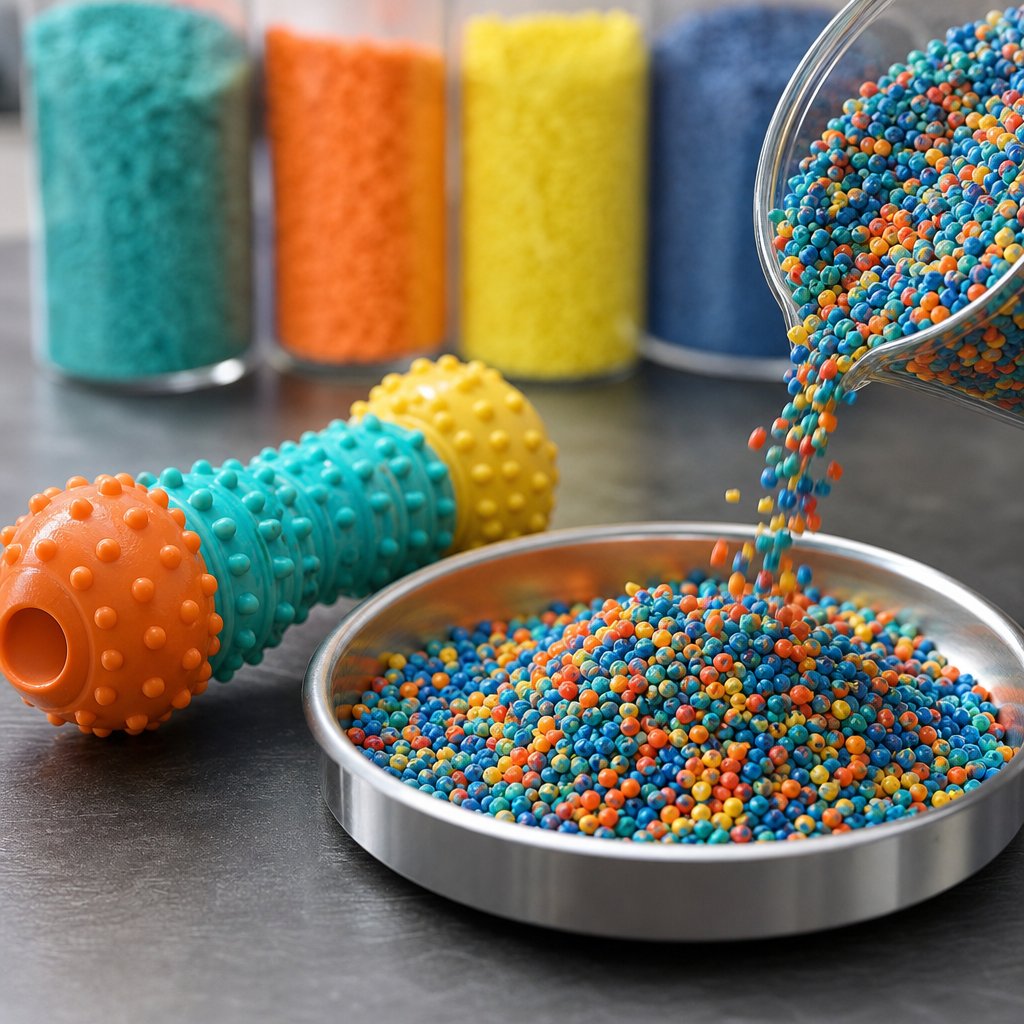
What Is TPR? The Material Inside Most Modern Dog Toys
TPR explained for pet toy buyers: composition, hardness grades, safety testing and how to qualify a supplier's TPR compound before you place an order.
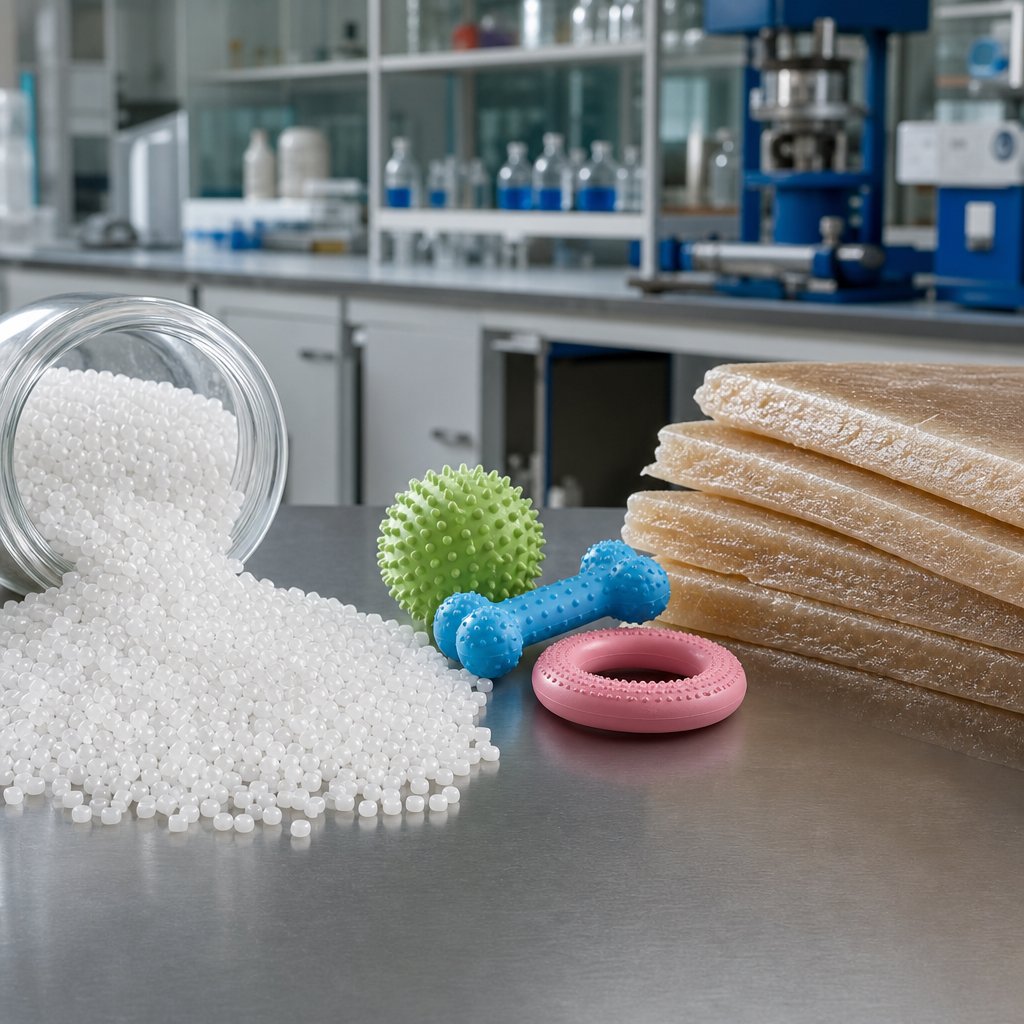
TPR vs Natural Rubber for Dog Chew Toys: Price, Safety and Durability Compared
TPR vs vulcanized natural rubber for dog chew toys: processing, rebound, tear strength, odor, testing scope and which material fits each price band.
Standards & Compliance 标准与合规 · 18 articles

Food-Contact Questions for Treat-Dispensing Toys: What to Ask Suppliers
Treat-dispensing pet toys sit near food-contact territory. What to ask suppliers: food-grade frameworks, migration testing, evidence checks, wording.

Azo Dyes and Formaldehyde in Plush Pet Toys: EU Limits Explained
How azo dye and formaldehyde limits apply to plush pet toys: the aromatic amine logic, dark-color risks, test bundles and fabric declarations.
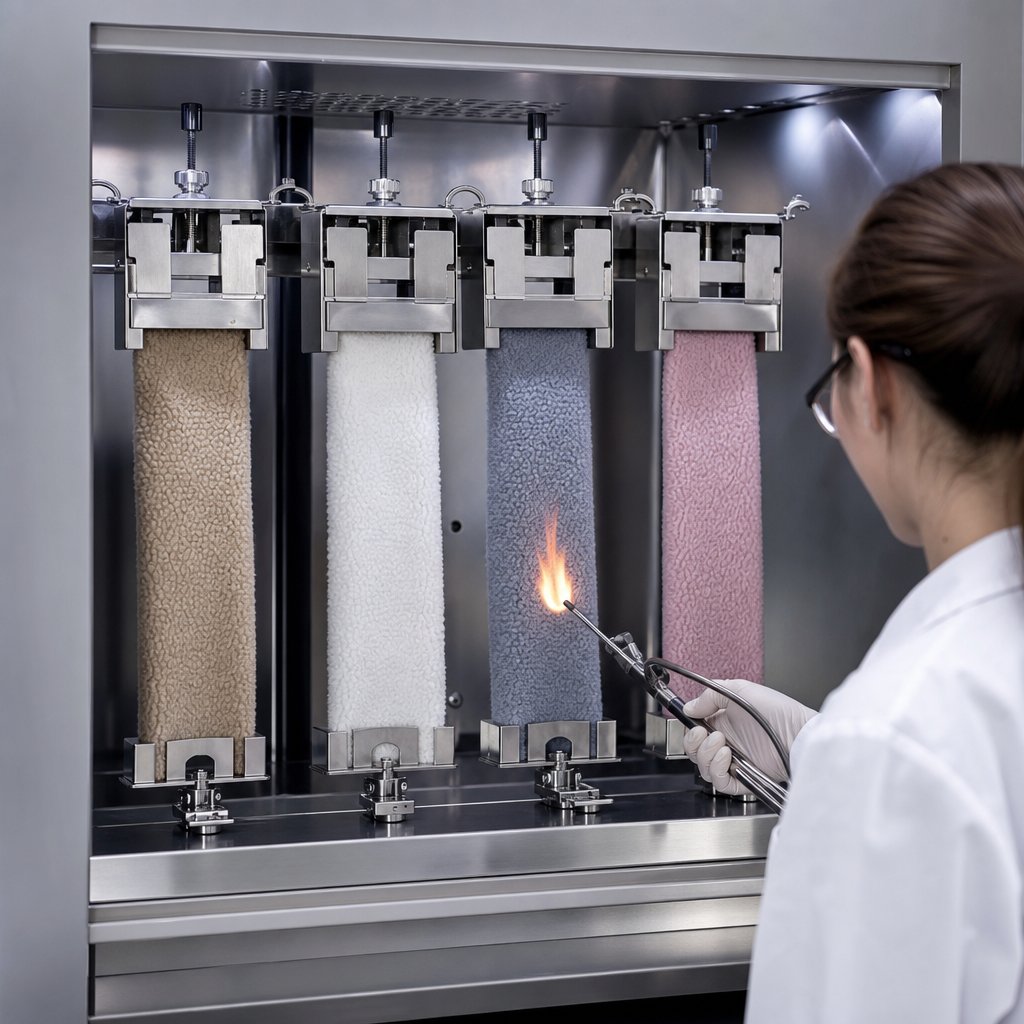
Flammability Requirements for Plush Pet Toys: EN 71-2 in Practice
EN 71-2 flammability testing explained for plush pet toy buyers: how the surface flash test works, fabric choices, and clause language that holds up.

Amazon Pet Toy Compliance: What Case Managers Ask For
What Amazon case managers actually request for pet toy listings: material safety reports, labeling images, claim evidence, and how to respond fast.

Selling Pet Toys into the UK and Japan: Expectations Beyond CE
Selling pet toys into the UK and Japan: general product safety duties, labeling expectations, quality habits and the minimal document pack per market.

One Dossier per SKU: A Compliance File Template for Pet Toy Buyers
Build a one-dossier-per-SKU compliance file: folder structure, who holds which document, retention rules and how it speeds marketplace and port queries.

How to Read a Pet Toy Test Report: Five Red Flags
Five red flags expose weak pet toy test reports: mismatched applicants, vague samples, missing standards, thin sampling and stale dates. Verify before filing.
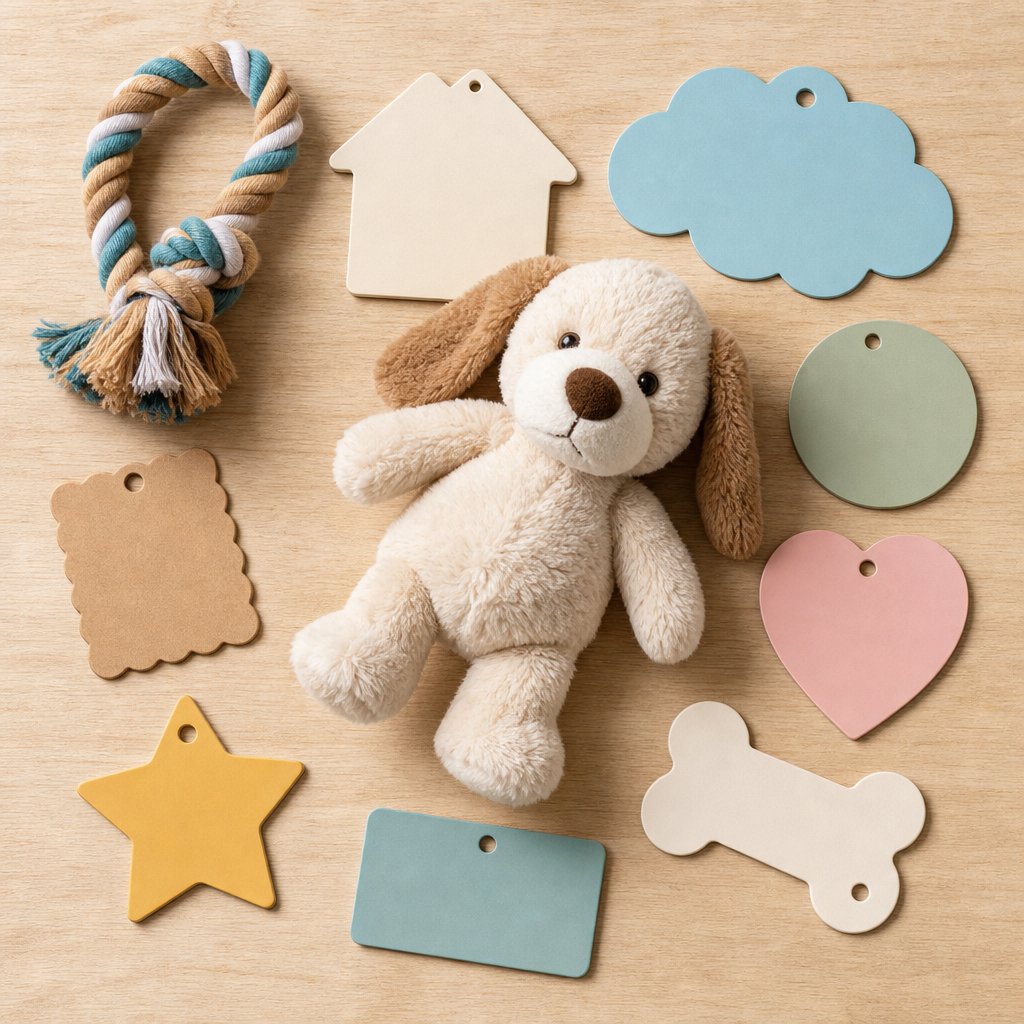
Pet Toy Labeling: What US, EU and UK Retail Actually Requires
What US, EU and UK retail really expects on a pet toy label: origin, operator identity, language, care and warnings, and one system for all markets.

HS Codes for Pet Toys: Classification Choices and Duty Impact
Pet toys can land under more than one HS heading. How 9503 and 4201 differ, what misclassification costs, and the checklist to run with your forwarder.

Heavy Metal Migration Testing: EN 71-3 Methods for Rubber and Paint
How EN 71-3 migration testing works for rubber, coatings and plush inks: the three material categories, sampling effects on results, and report essentials.

Phthalates in Vinyl Pet Toys: Limits, Tests and Buyer Checklists
Phthalates in vinyl pet toys: the 8P benchmark buyers use, how testing is sampled, what phthalate-free compounds change, and clauses to lock in orders.

CE Marking Myths for Pet Toys: What the Toy Directive Actually Covers
Pet toys carry no CE marking duty under EU law. What the Toy Directive really covers, why CE on a pet toy misleads, and the compliance file that applies.

CPC Misconceptions: Why Child-Product Certificates Do Not Cover Pet Toys
A CPC is a children's product certificate. Why it cannot cover pet toys, what US buyers actually mean when they ask, and which documents work instead.
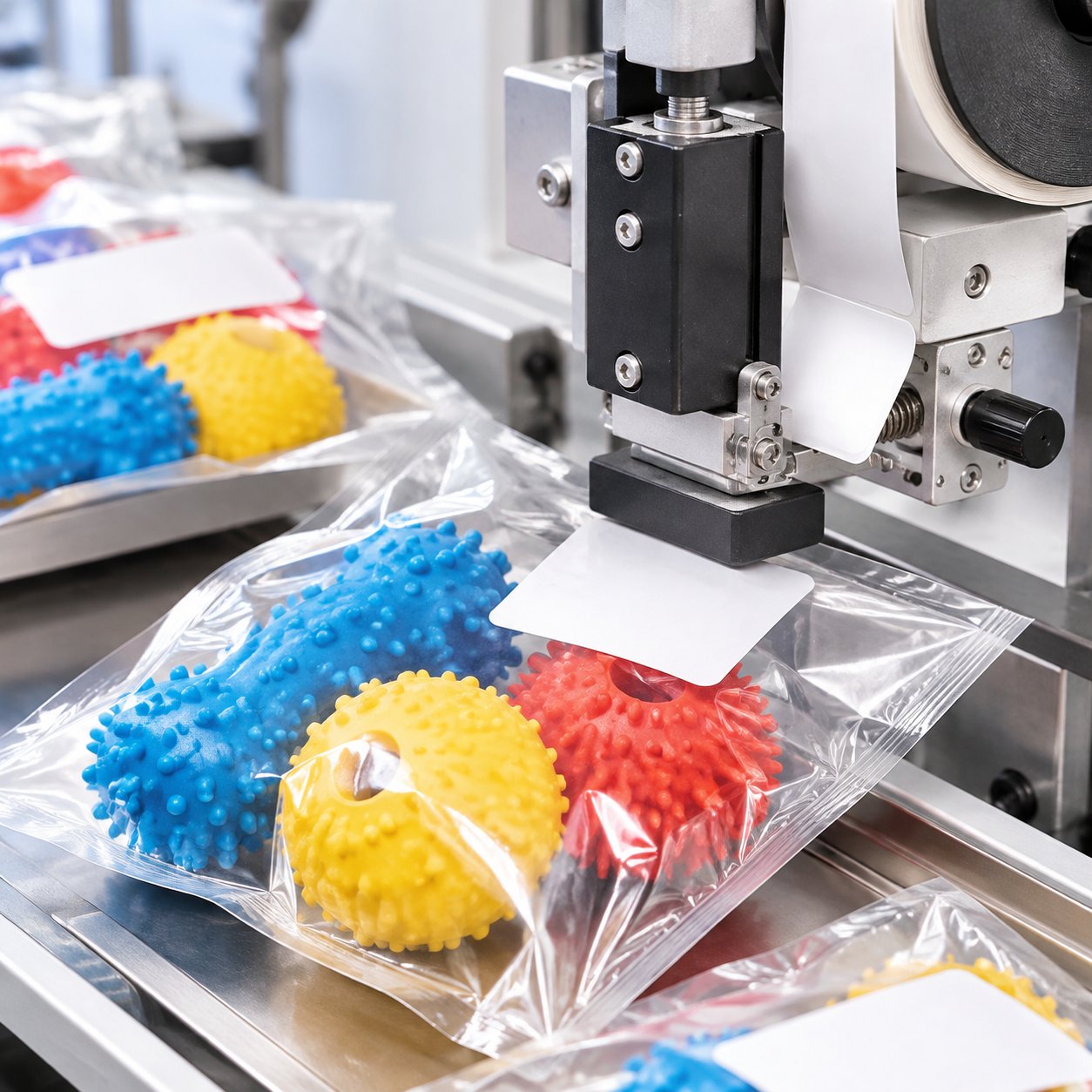
California Prop 65 for Pet Product Sellers: When Warnings Actually Apply
Prop 65 explained for pet product sellers: which substances trigger it, how settlements work, and when a warning label beats reformulation for your SKUs.

REACH and Pet Toys: SVHC Screening for EU Imports
REACH for pet toy imports: how the SVHC list works, what to screen on rubber, plastic and textile parts, and the declaration-plus-testing combo that holds up.

ISO 8124: The International Toy Safety Standard Applied to Pet Products
ISO 8124 for pet toys: how the international standard relates to EN 71 and F963, when one report can serve several markets, and how to cite it in contracts.
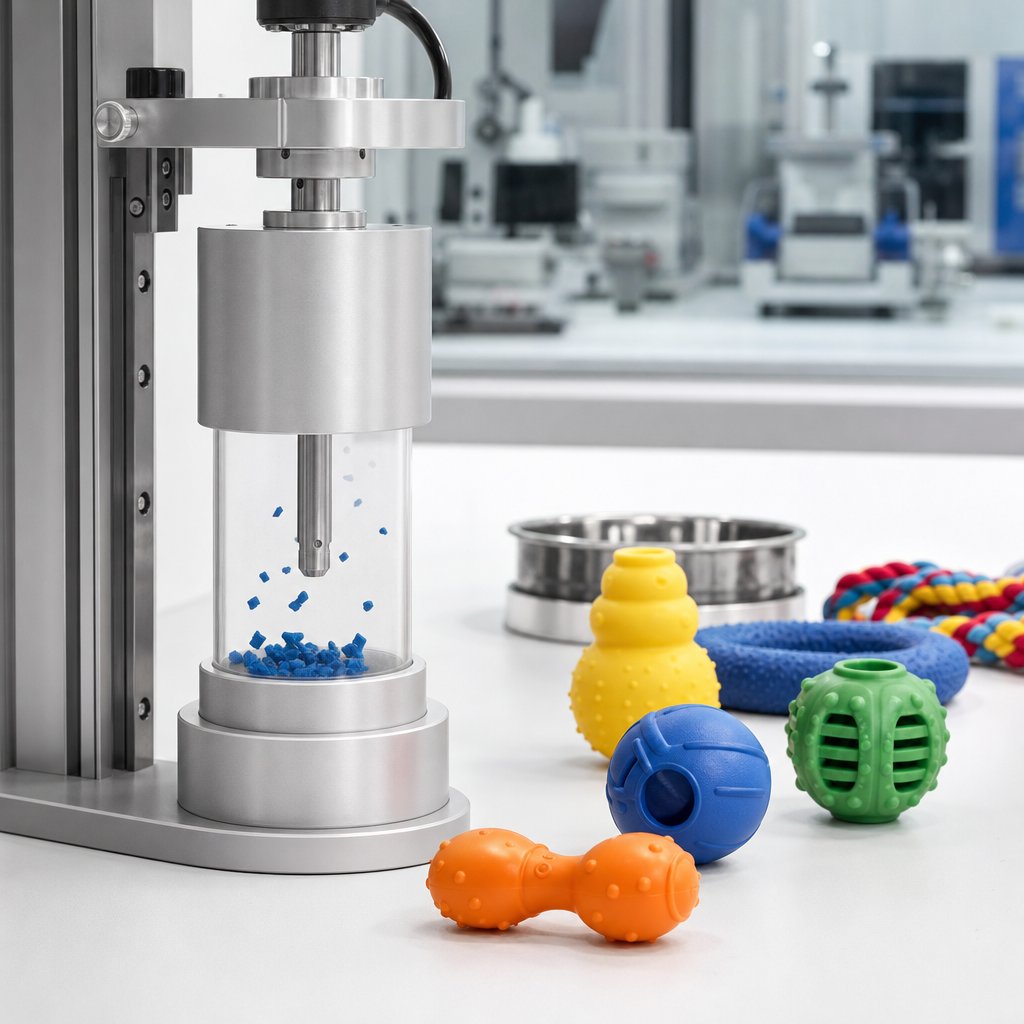
ASTM F963 and Pet Toys: Voluntary Testing That Prevents Recalls
ASTM F963 for pet toys: which US toy-standard tests transfer, who asks for reports and why, and how to build a compliance evidence pack without over-claiming.

EN 71 for Pet Toys: Why EU Buyers Still Ask for Toy-Standard Reports
EN 71 explained for pet toy sellers: what parts 1, 2 and 3 test, why EU buyers still ask for toy-standard reports, and what is actually mandatory under GPSR.
Audit & QC 验厂与品控 · 18 articles
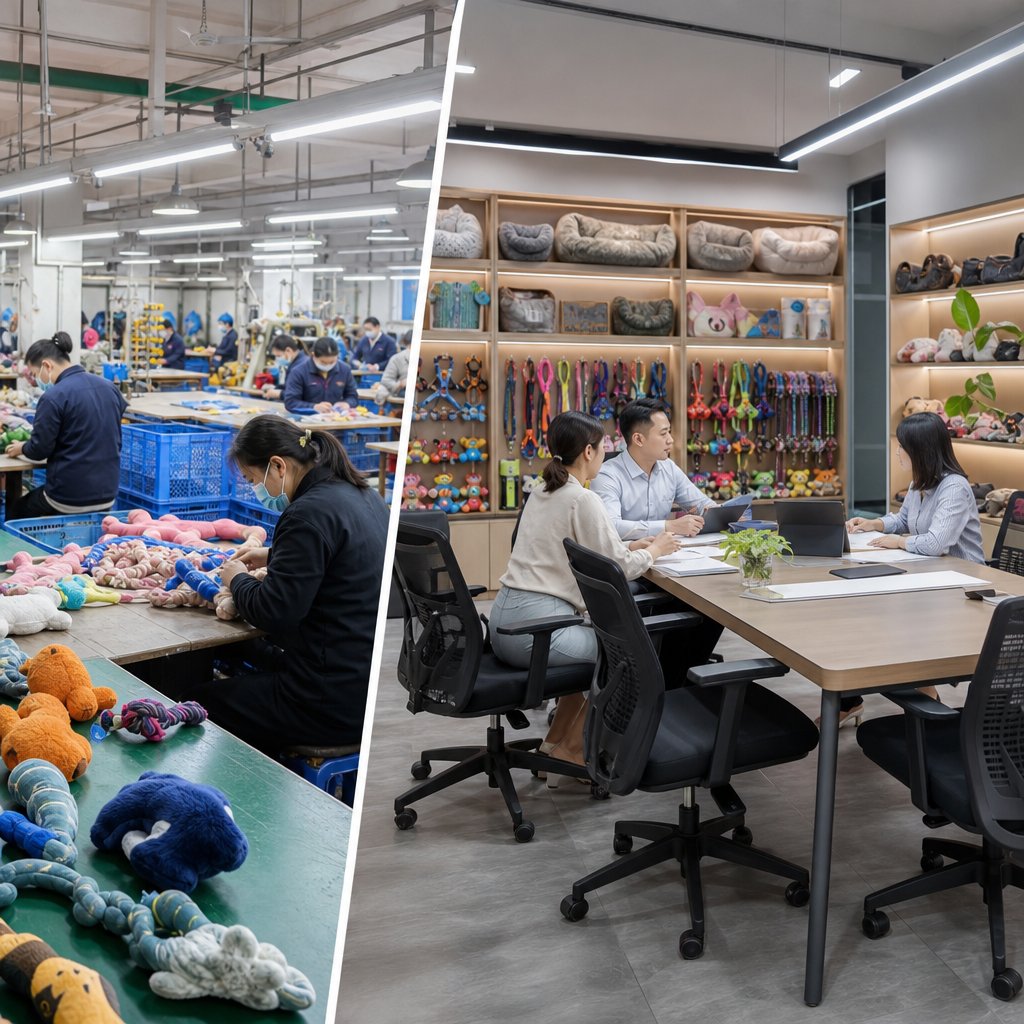
Factory or Trading Company? Ten Tells When Sourcing Pet Toys
Ten behavioral tells that separate real pet toy factories from intermediaries, when a trading company is the smarter buy, and how to verify either.
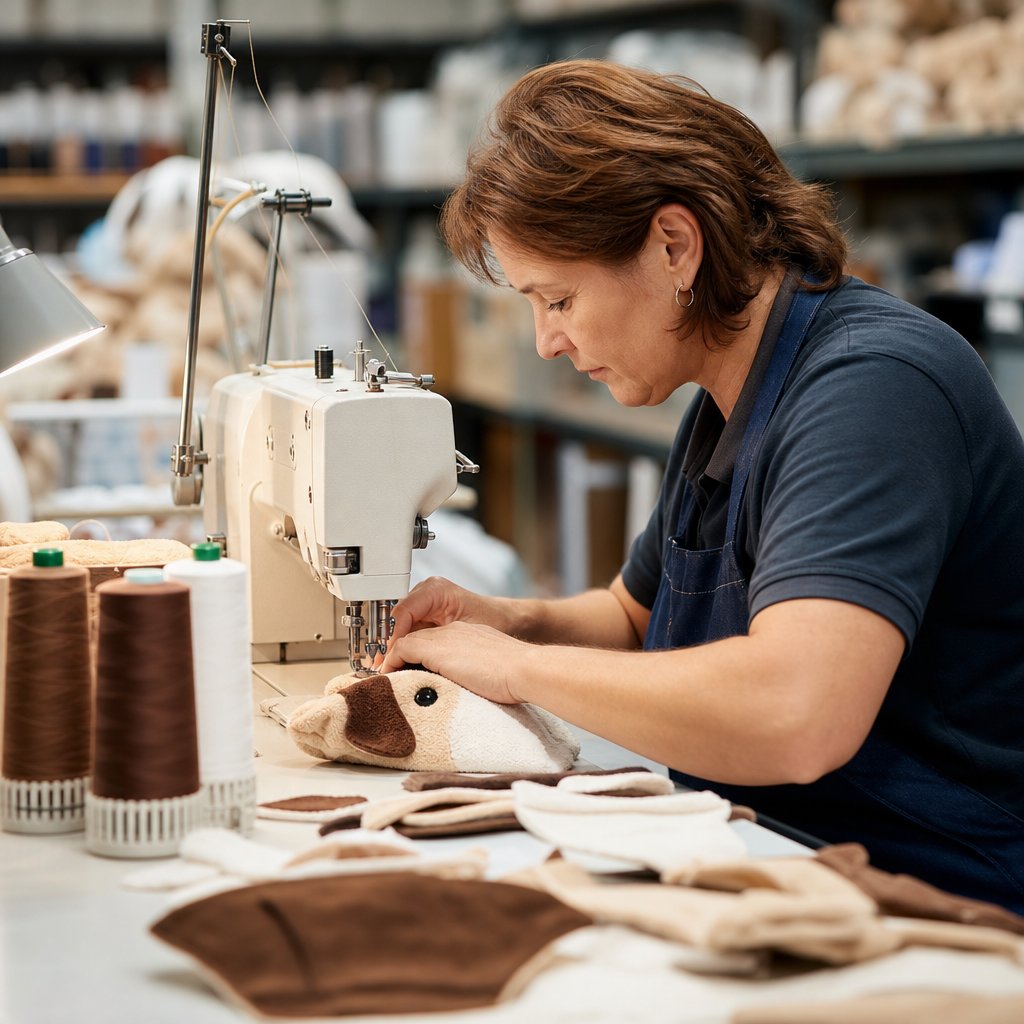
Same Hands, Different Quality: How Operator Skill Shapes Plush Orders
Why identical plush orders from the same factory vary in quality, how operator skill shapes defect rates, and the clauses that keep reorders consistent.

12 Questions Buyers Forget to Ask on a Pet Toy Factory Audit
Twelve forgotten audit questions for pet toy factories: outsourcing, same-line competitors, mold ownership and peak capacity, with follow-ups to test answers.
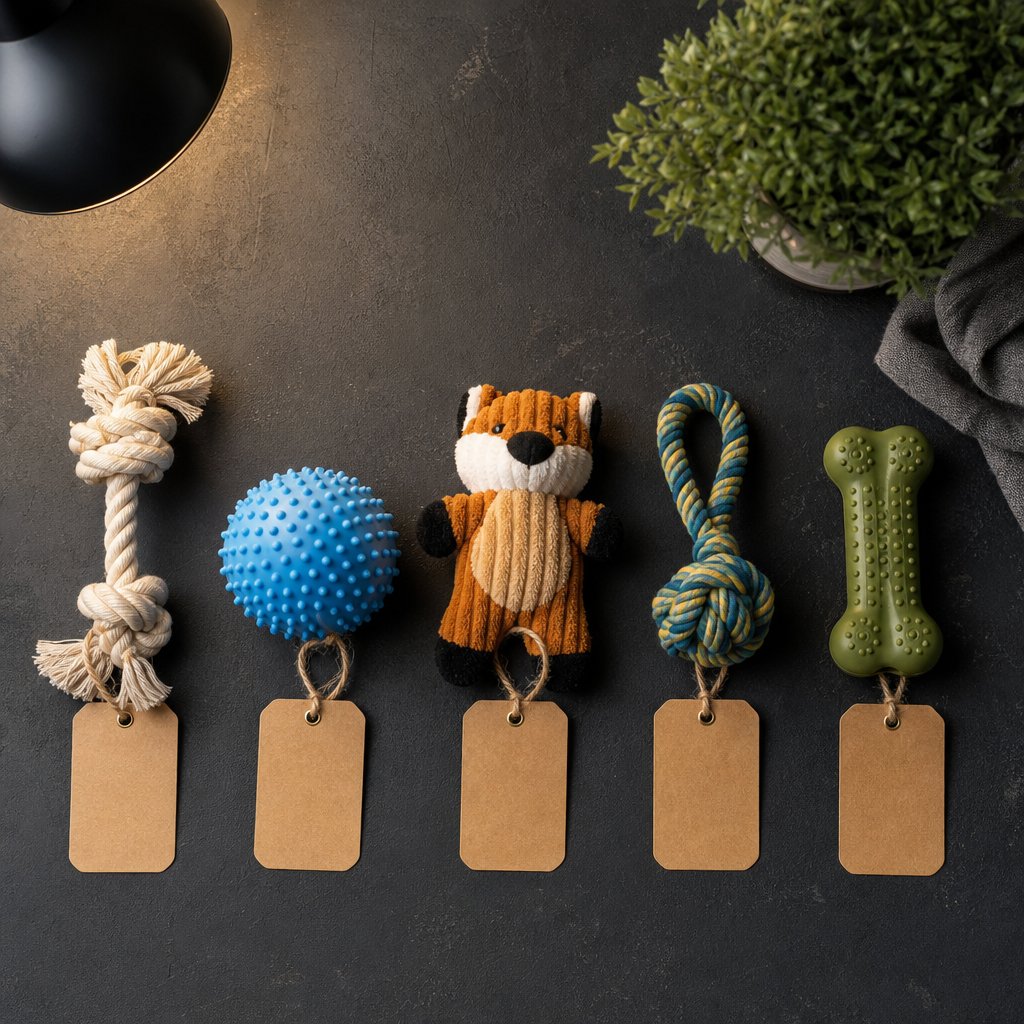
Sample Types Decoded: Development, Counter, Pre-Production, Golden, Shipment
The five pet toy sample types explained: what each one proves, how the chain flows, timeline traps and the sealing discipline that settles disputes.
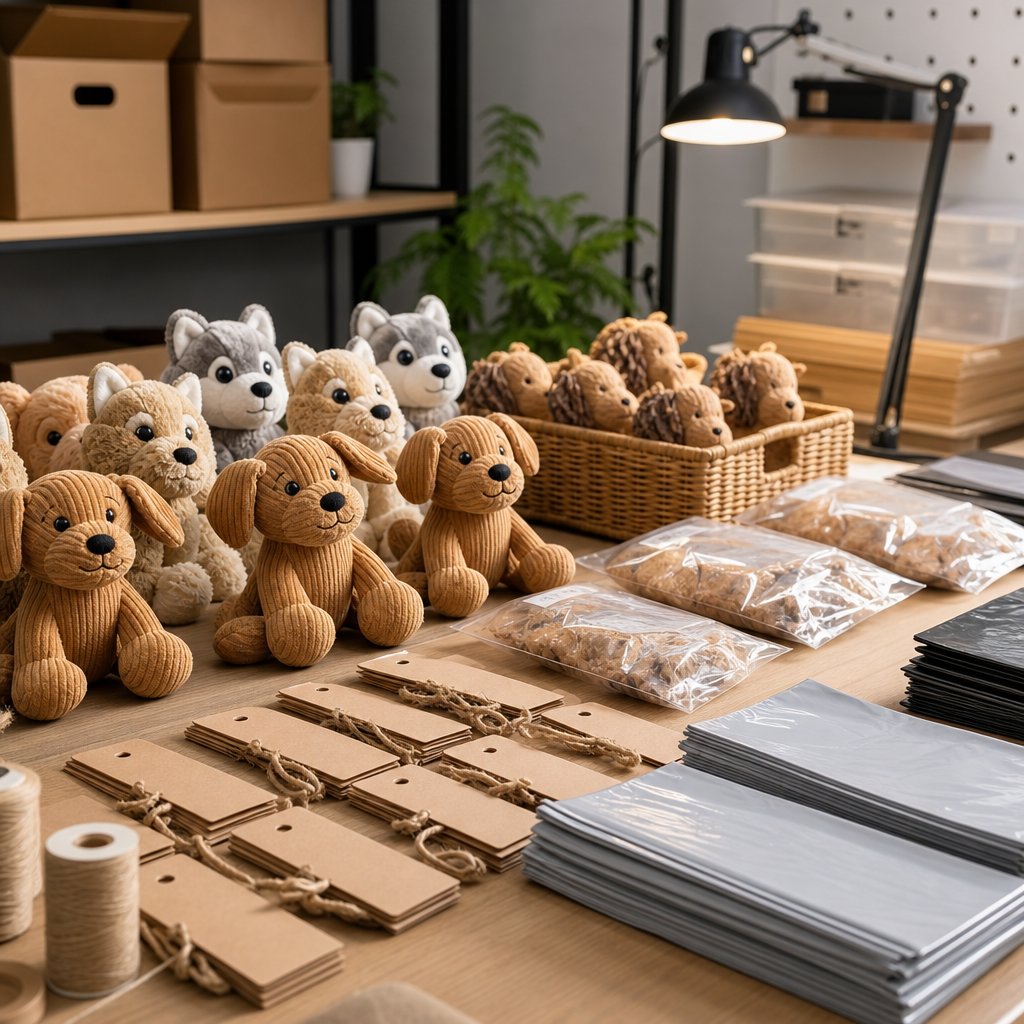
Small Order, Same Rigor: QC on 500-Piece Private Label Runs
How to keep full QC rigor on small pet toy runs: why small orders drift, the five nodes worth keeping, the scripts that protect your order and the failure list.

Loading Day: What Actually Happens When Your Toy Container Is Stuffed
What happens on pet toy container loading day: the empty-box check, cube-out math for plush, mixed-SKU loading, supervision value and the documents that matter.
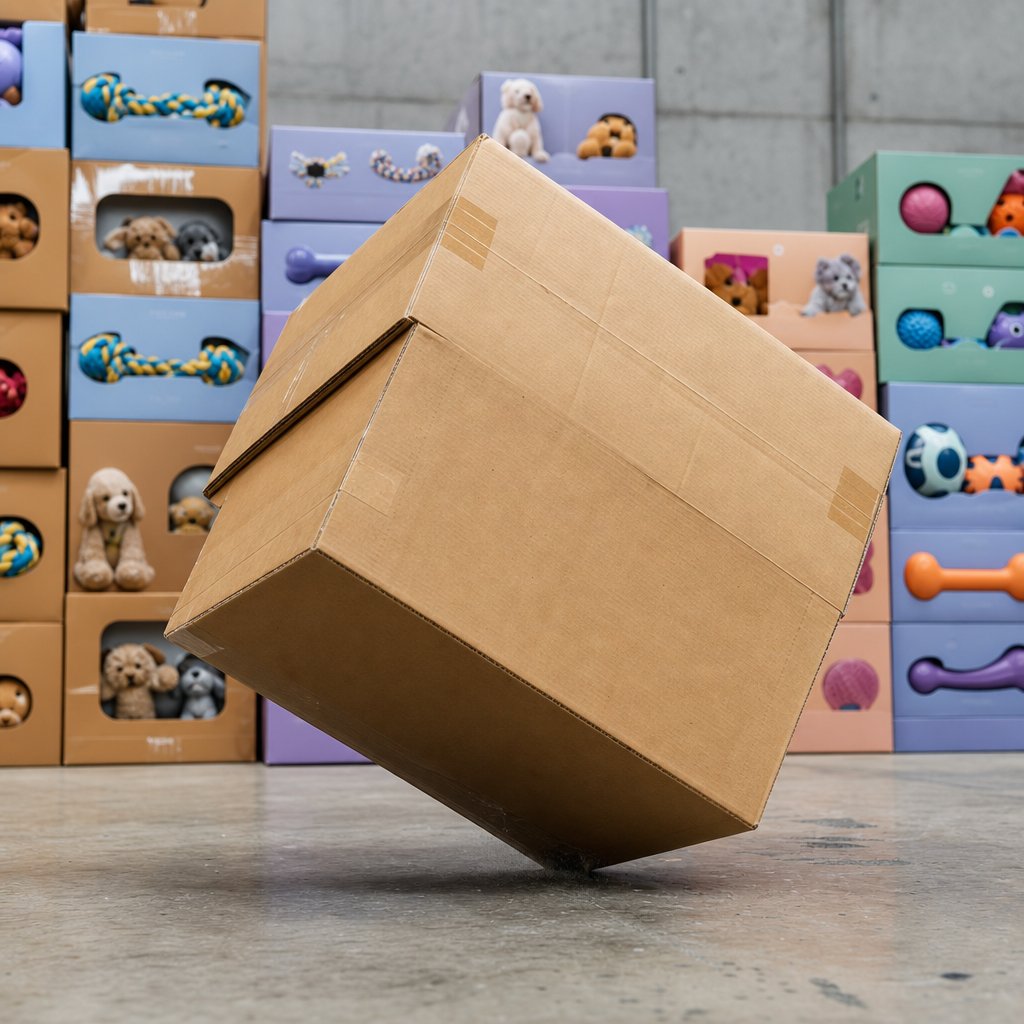
Packaging QC for Pet Toys: Polybag Warnings to Carton Drop Tests
Pet toy packaging QC from the polybag up: suffocation warnings, print color control, carton drop and stacking checks, and plush compression recovery.
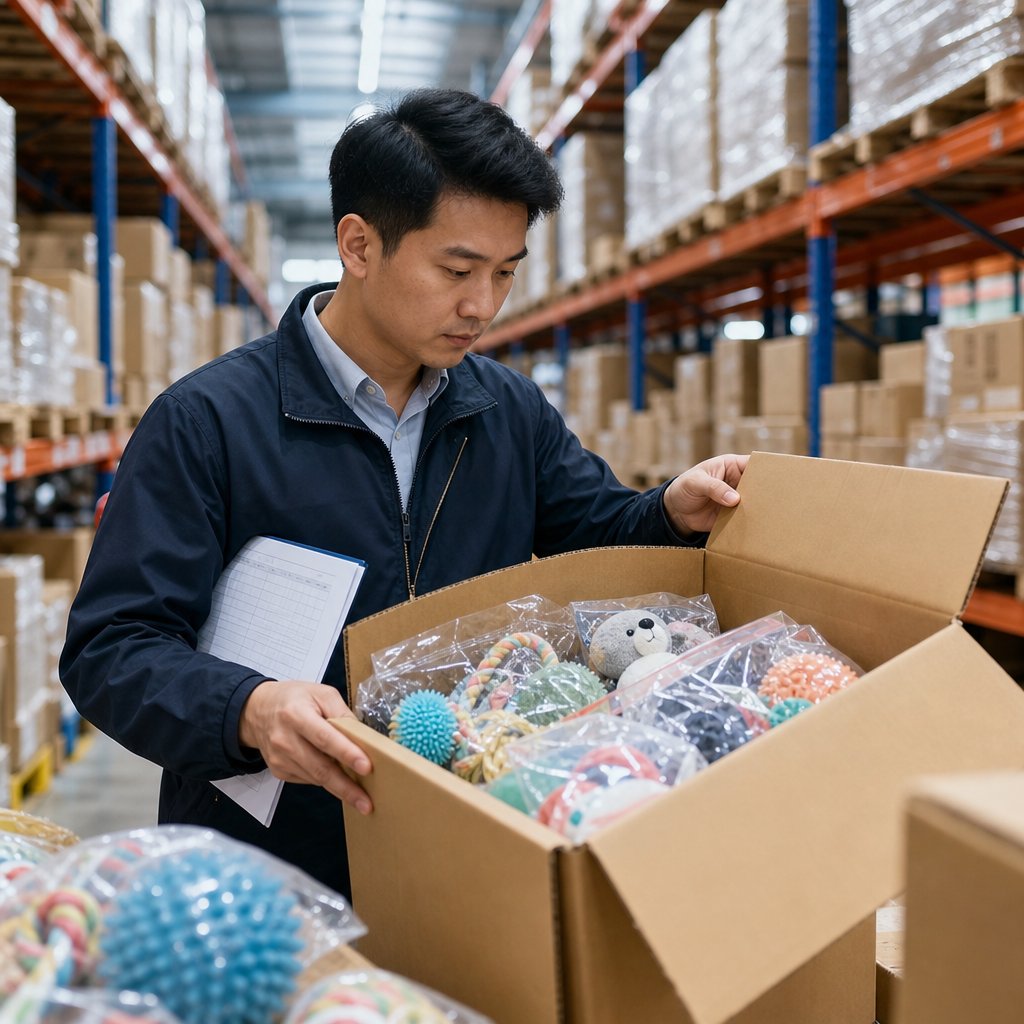
When to Book Third-Party Inspection for Pet Toy Orders
When third-party inspection pays for pet toy orders: the three-axis decision, how a visit runs, the standard sheet that matters and what it cannot catch.
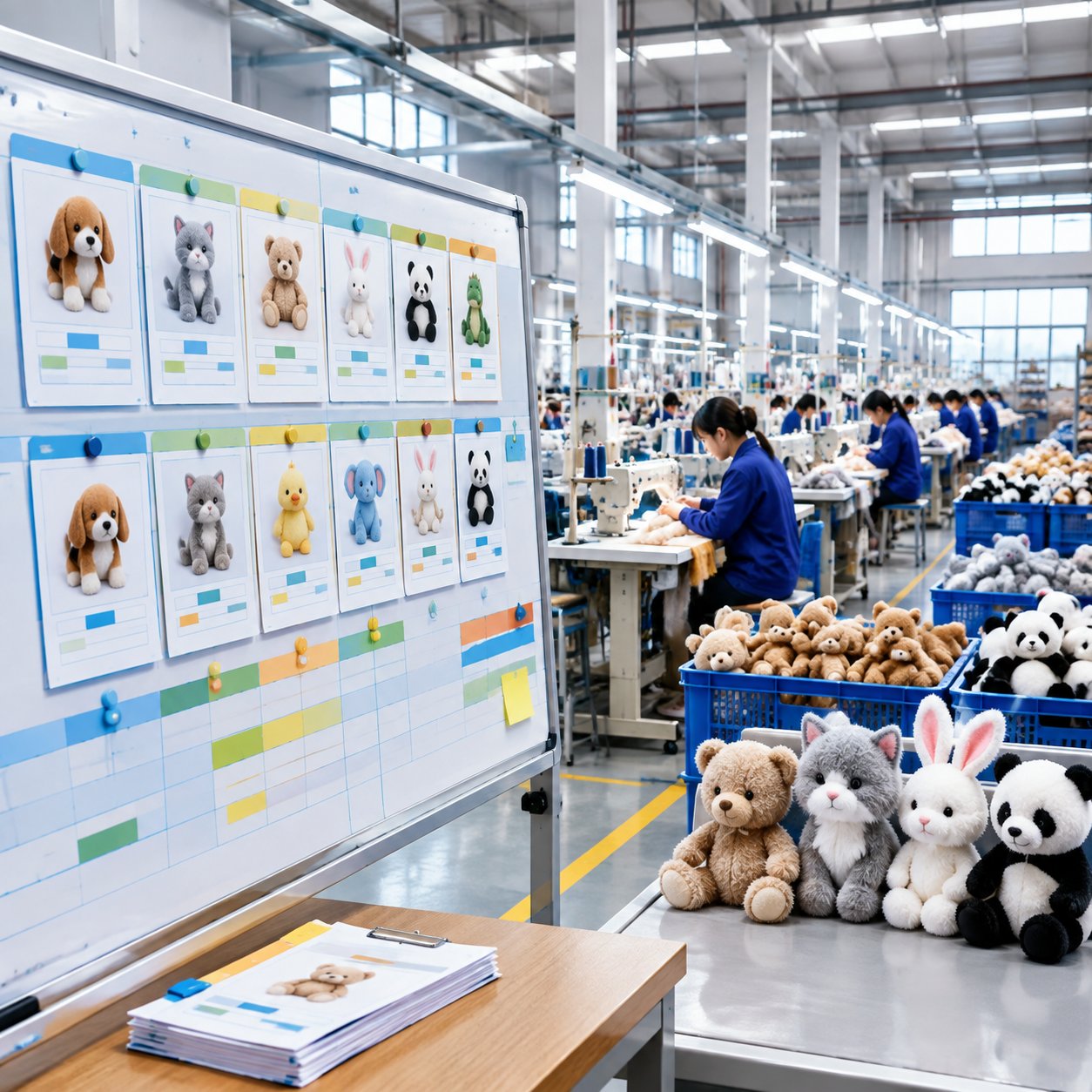
Is the Capacity Real? Verifying a Pet Toy Factory's Output Claims
How to verify a pet toy factory's capacity claims: the arithmetic frame, five pieces of cross evidence, peak-season traps and the clauses that bind.

Odor Inspection at Batch Level: A Sensory Protocol That Works
A workable sensory protocol for pet toy odor: three readings per batch, a five-point grade scale, disposition rules and the clauses to write into POs.

Inside a Durability Lab: Drop, Bite and Torsion Cycles for Dog Toys
What a working pet toy durability lab looks like inside: drop rigs, jaw simulators and torsion cycles, how pass rules are set and how to test claims.
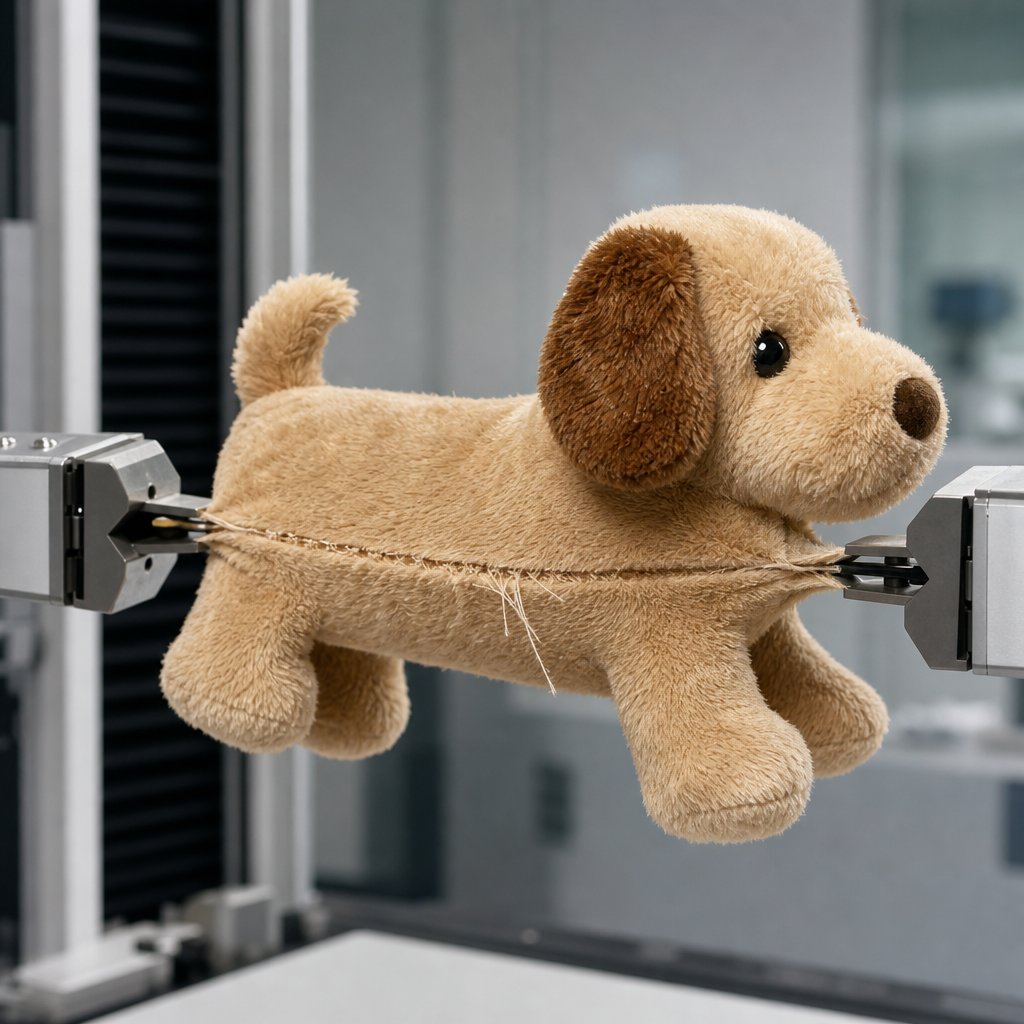
Seam Strength Standards for Plush Dog Toys: Numbers to Demand
Seam strength decides whether a plush dog toy survives week one. Stitch density, thread, closures and the 70 N benchmark to write into your next PO.
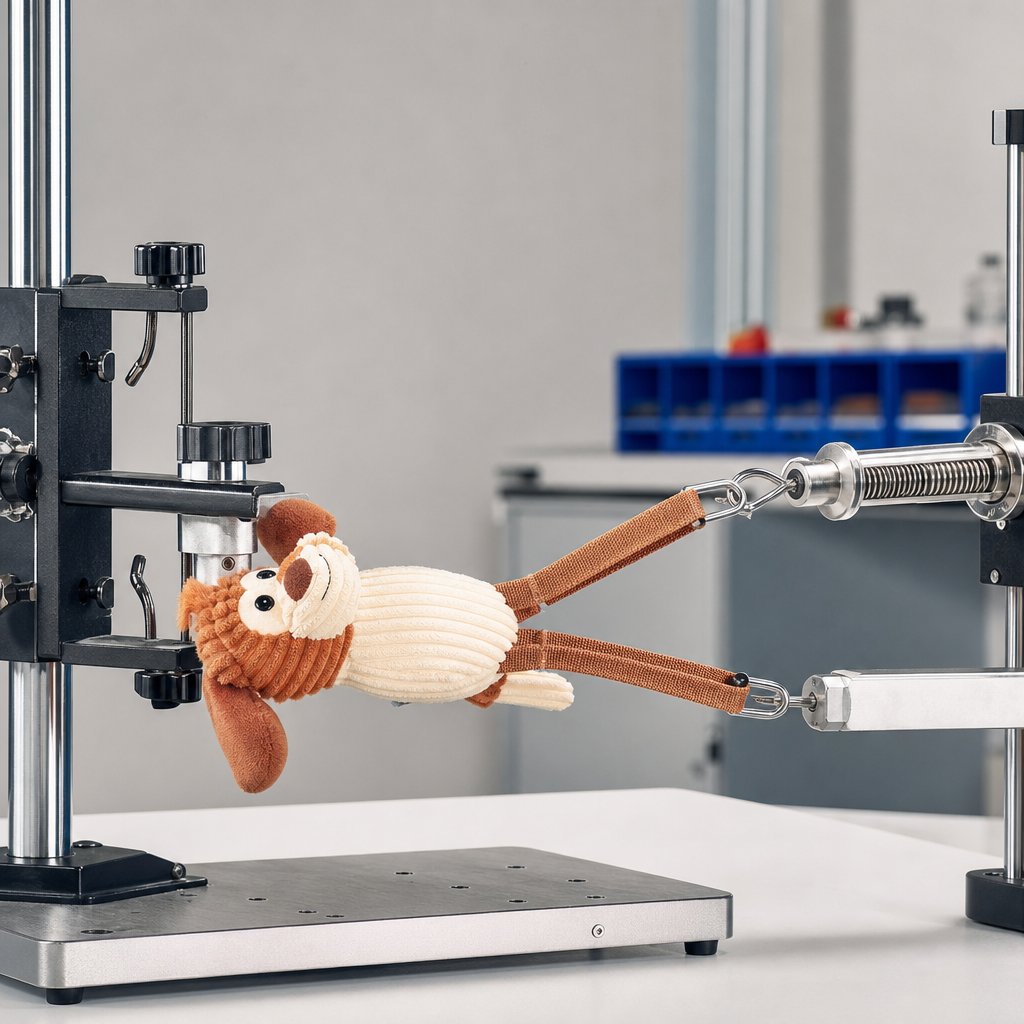
The Squeaker Pull Test: Why Attachment Strength Decides Recalls
Why squeaker attachment strength decides pet toy risk: the pull test method, forces and clamps, production variation sources and fast inspection checks.
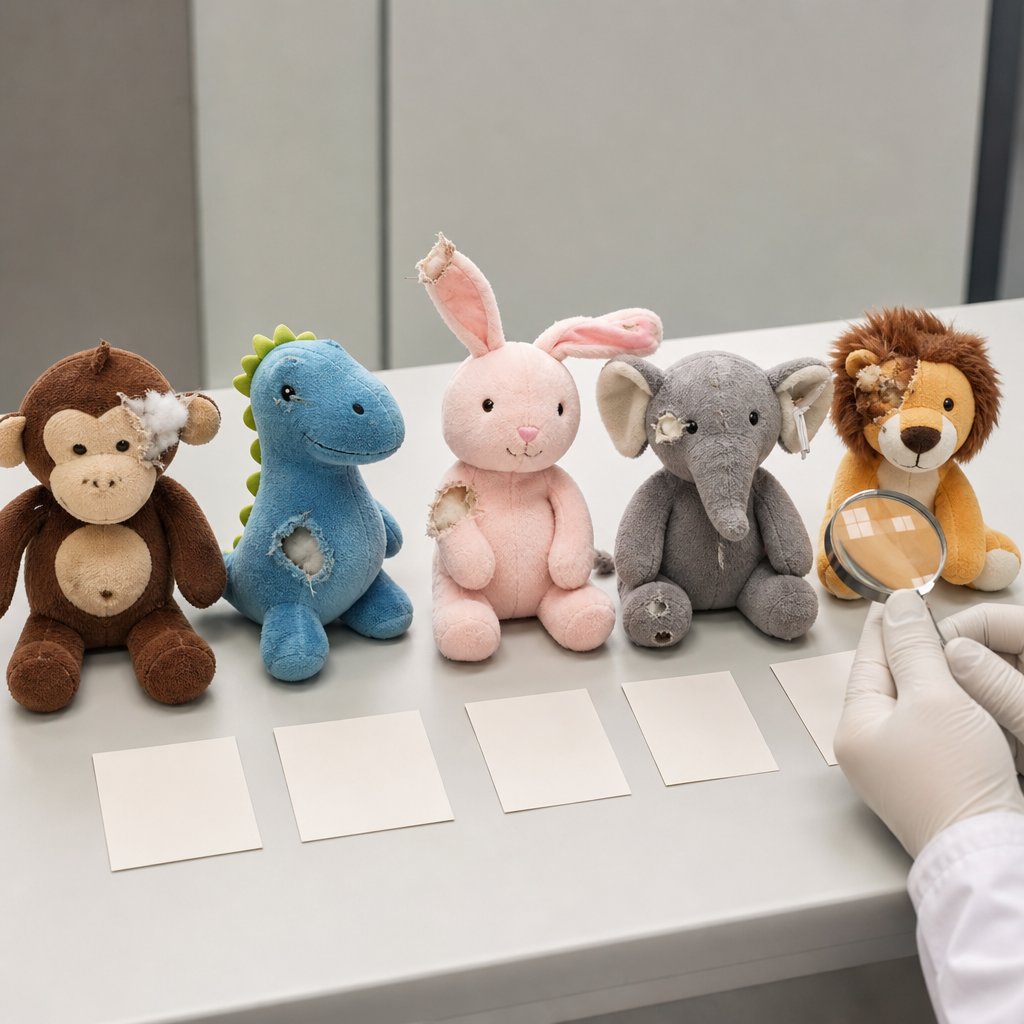
12 Common Plush Toy Defects and What Causes Them
Twelve plush toy defects buyers see most: open seams, uneven filling, shedding, stains, crooked eyes — station causes, repair versus reject, and trends.
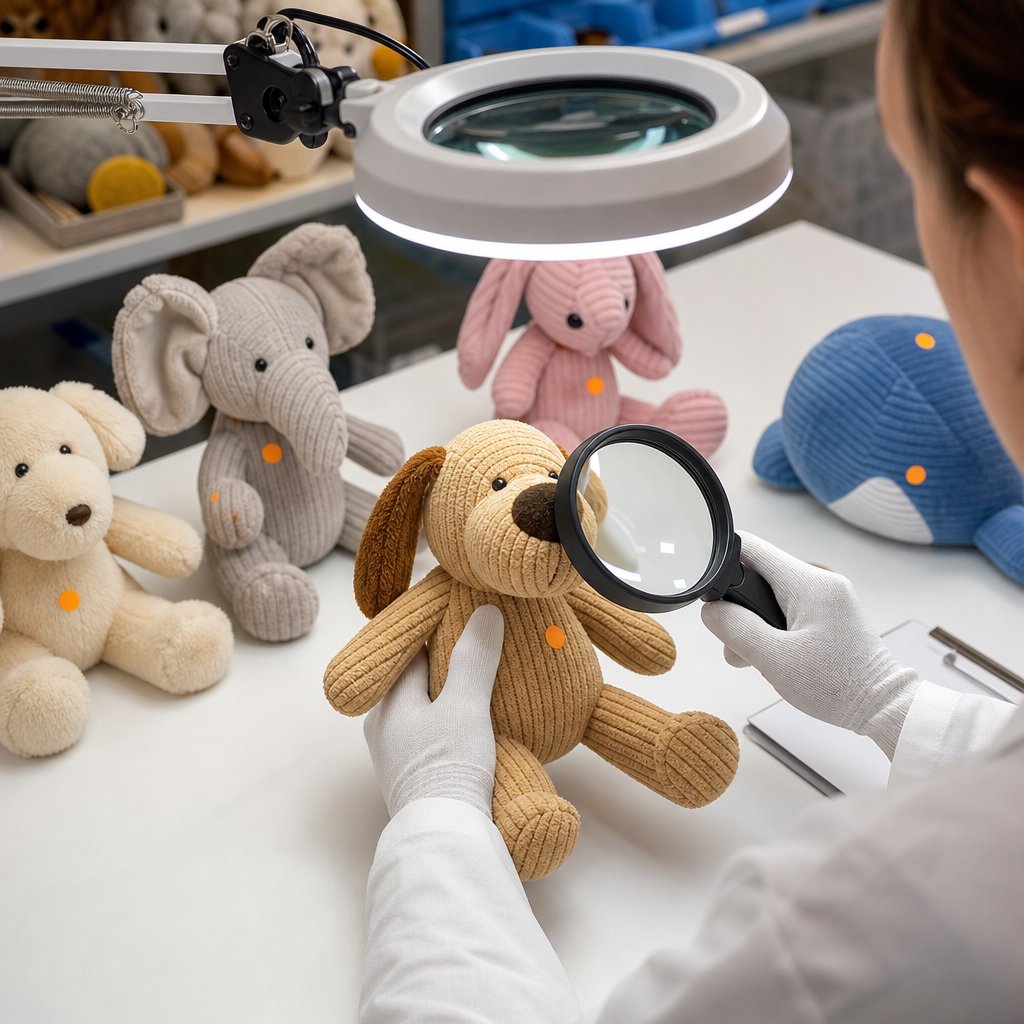
AQL for Pet Toys: Setting Defect Classes Buyers Respect
Applying AQL to pet toys: the 0/2.5/4.0 logic, defect class examples by toy type, sampling execution details and how to annex the catalog to orders.
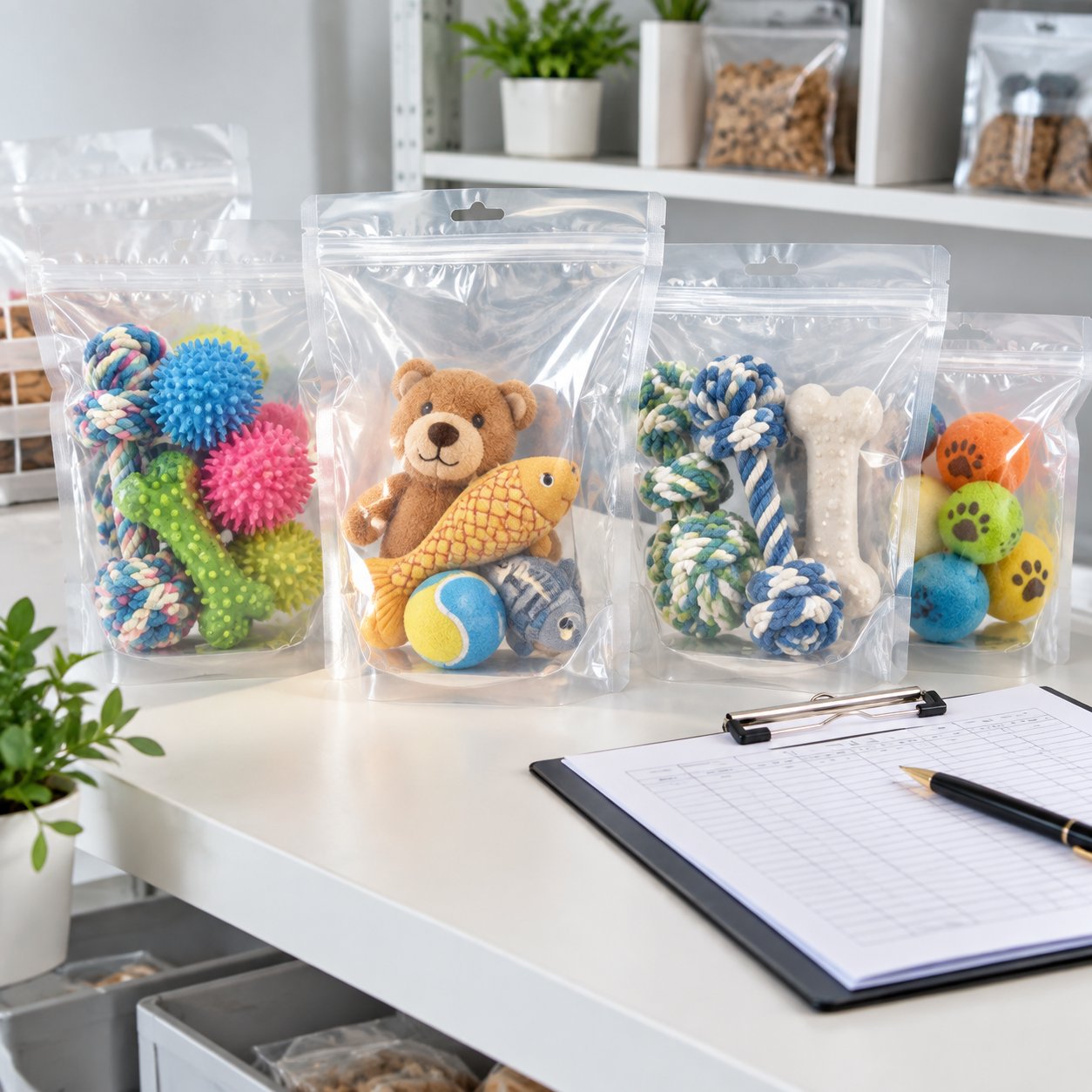
Golden Samples for Pet Toys: What to Freeze Before Mass Production
Golden samples for pet toys: definition and sign-off flow, what to freeze per material, how to seal color and odor, and their weight in disputes.
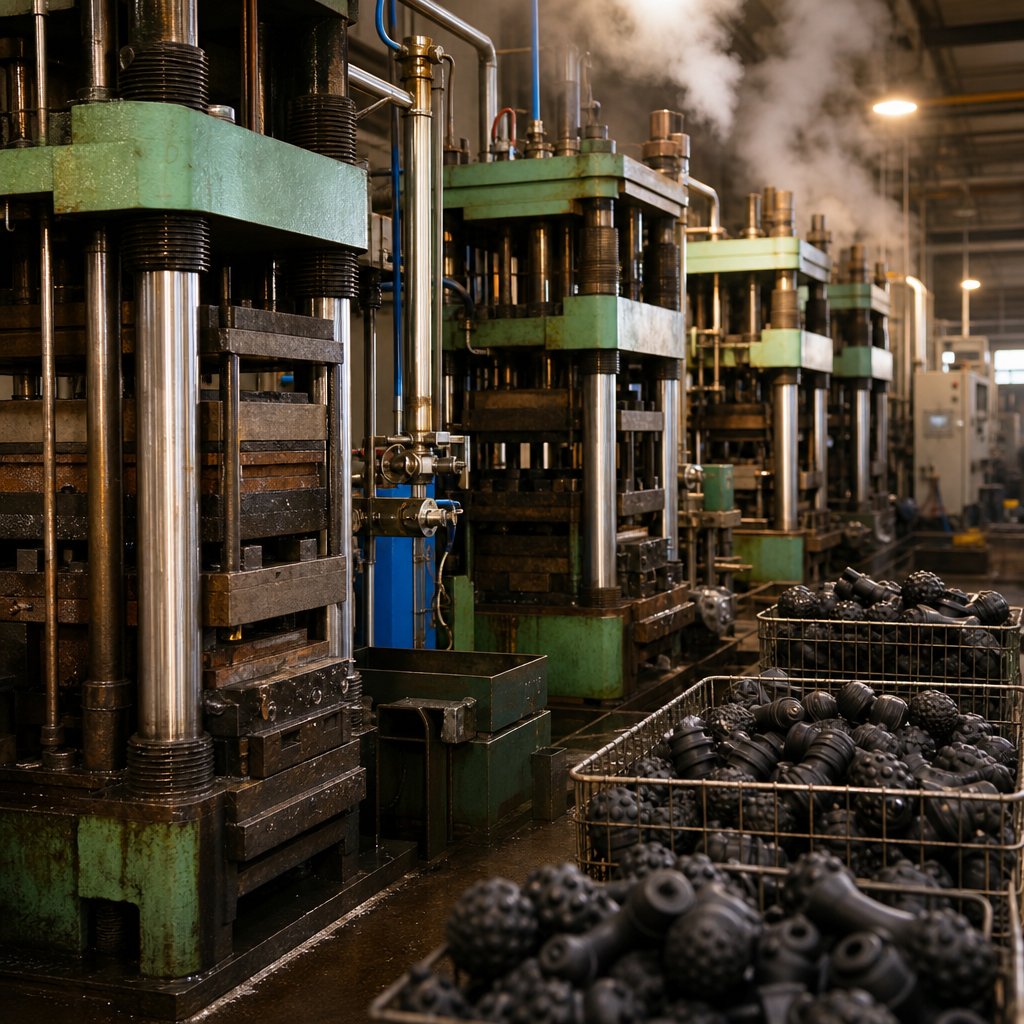
A Day in a Rubber Chew Toy Factory: Mixing to Vulcanizing
Inside rubber chew toy production: weighing, mixing, milling, molding and vulcanizing, the three parameters that decide the part, and odor control.

Auditing a Plush Pet Toy Factory: From Cutting Table to Packing Line
A walk-through audit route for plush pet toy factories: cutting, sewing, stuffing, shaping, needle detection and packing, with red flags per station.
Cost & Logistics 成本与物流 · 18 articles
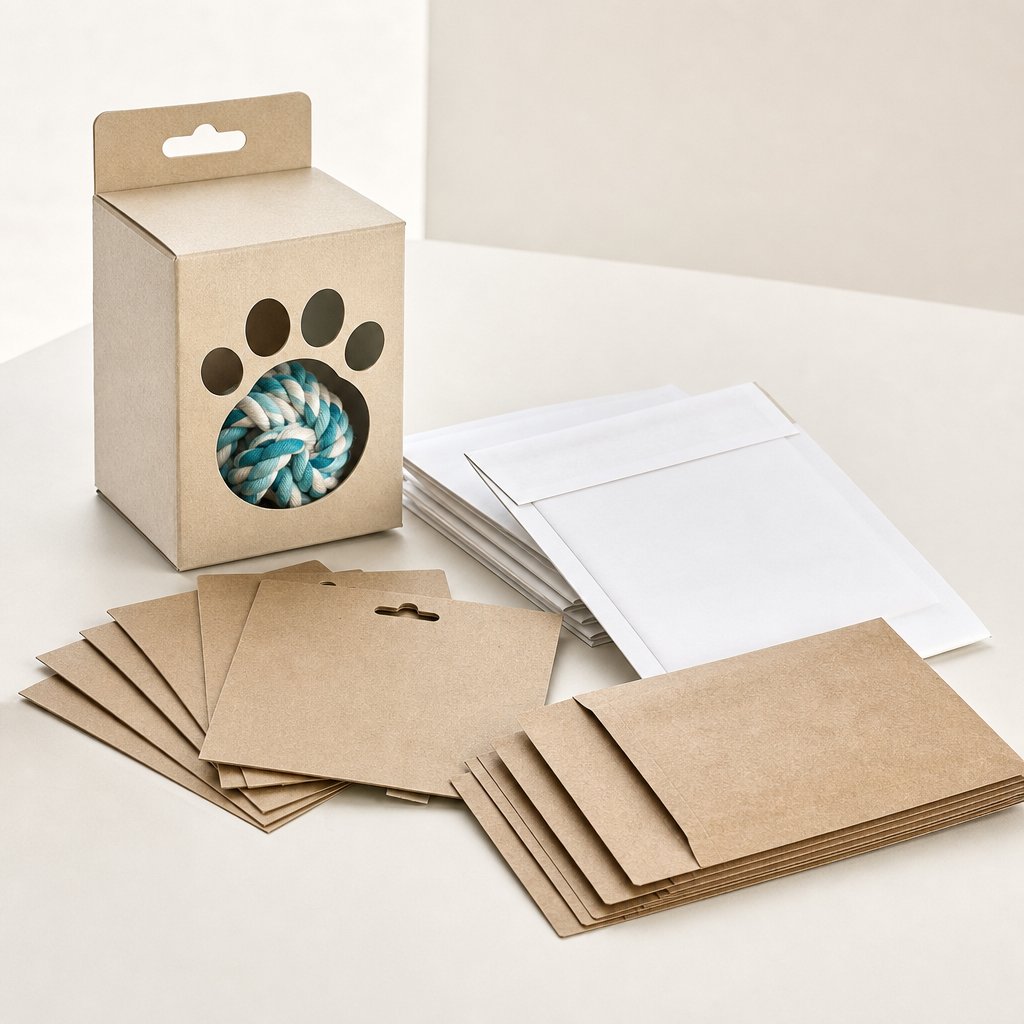
Cutting Ship Weight Without Cutting Perceived Value
How to cut shipping weight from pet toy packaging without losing shelf appeal: material swaps, structural simplification, de-plasticization and trade-offs.

A Quality Failure in Numbers: The Full Cost of a Bad Toy Batch
The full cost of a failed pet toy batch, itemized: goods, freight, refunds, review repair and lost time, and how prevention spend compares to failure spend.

Beyond the Unit Price: Clauses to Negotiate with Toy Suppliers
The clauses worth negotiating with pet toy suppliers: odor standards, mold ownership, capacity priority, price formulas and the order in which to trade them.
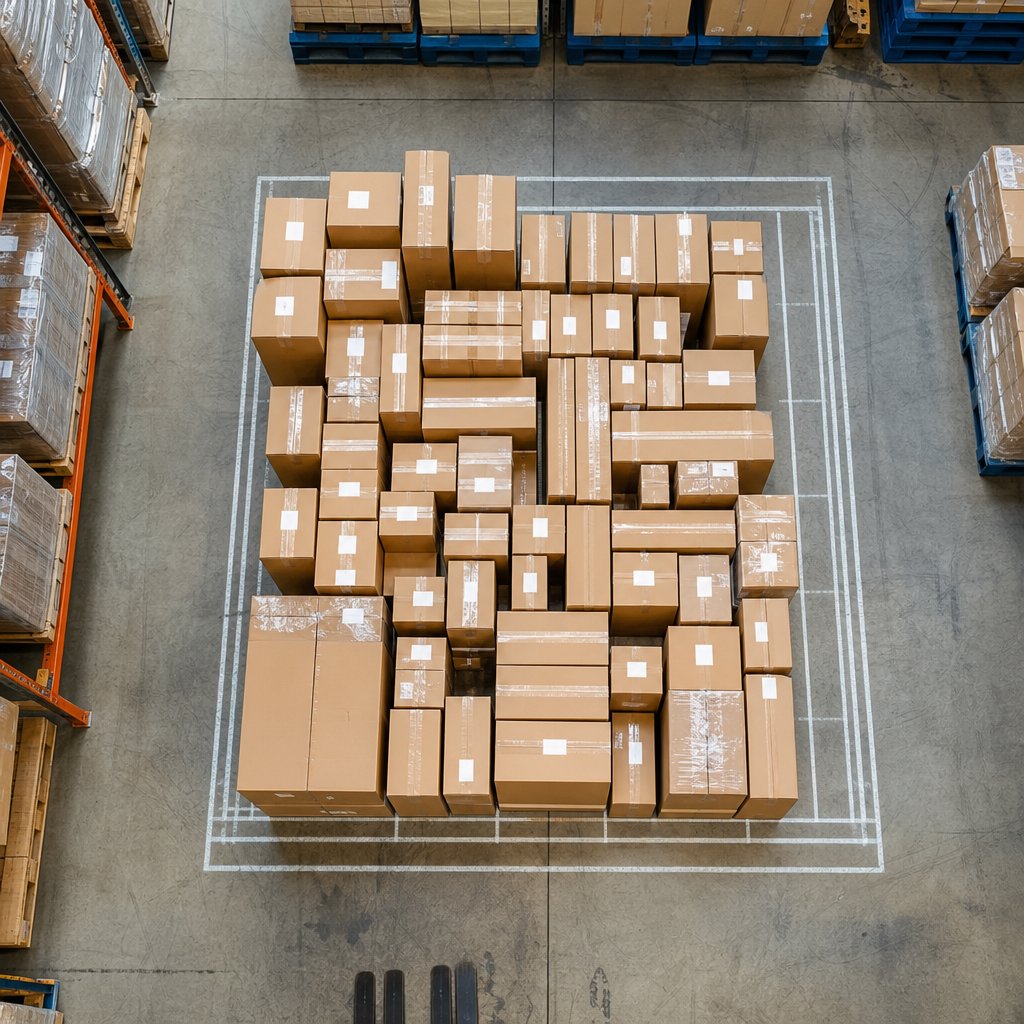
One Container, Fifty SKUs: How Suppliers Consolidate Toy Assortments
Mixed-container consolidation for pet toys: how suppliers plan fifty-SKU loads, the paperwork that keeps them straight, and what to check on arrival.

Planning Around US Tariff Layers: A Framework for Pet Toy Sellers
A tariff planning framework for US pet toy sellers: the duty layer model, scenario switches in your cost model, and the limits of origin and classification.

VAT and IOSS for Dropshipping Pet Toys into the EU
VAT and IOSS for pet toy dropshipping into the EU: how the low-value scheme works, who registers, what happens above the ceiling, and the cost of errors.

Dropshipping vs Bulk Import: The Cost Crossover for Pet Toys
Dropshipping versus bulk import for pet toys: two cost structures, how to calculate the crossover point, and the signals that say it is time to switch.

The Q4 Pet Gift Season: A Stocking Calendar for Toy Sellers
A Q4 stocking calendar for pet toy sellers: holiday demand waves, a countdown from purchase order to shelf, Chinese New Year overlap risk and packaging nodes.
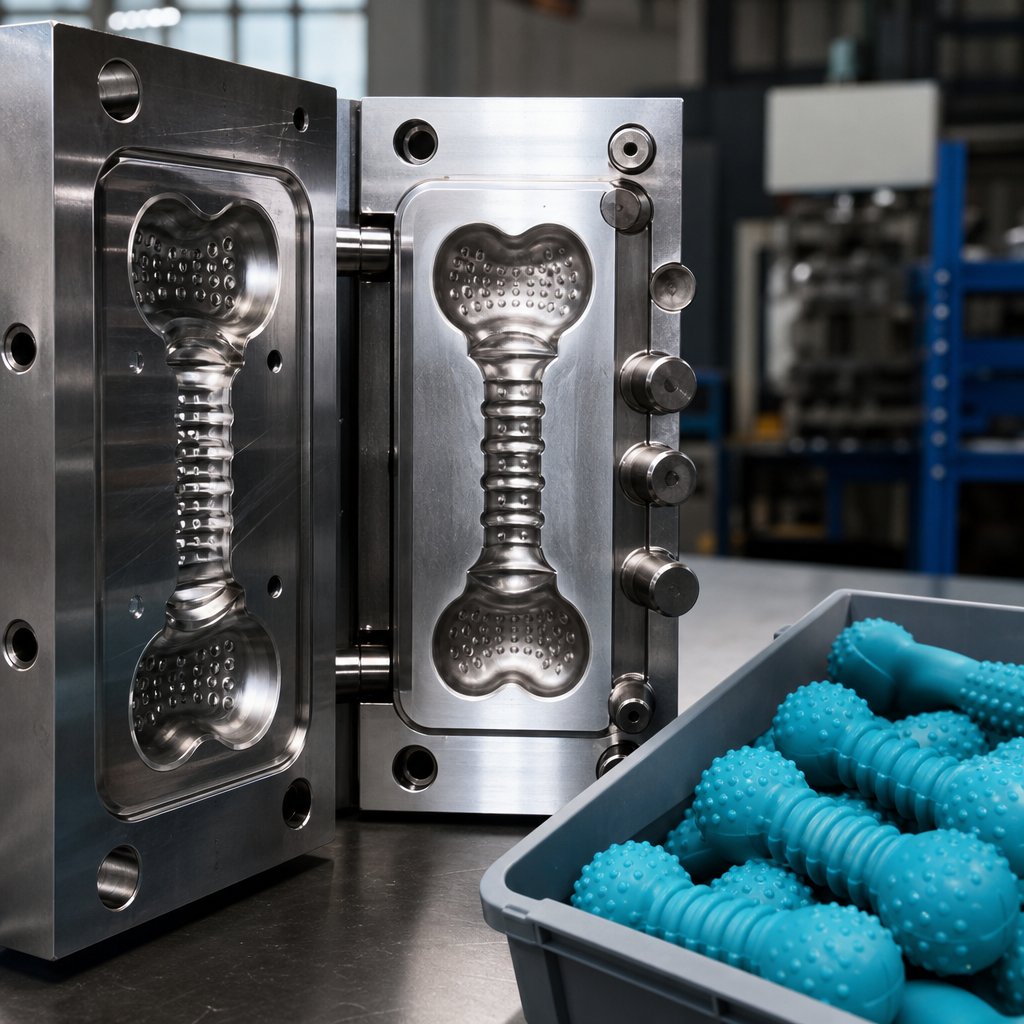
Mold and Cutting-Die Costs: Amortization Math for Custom Toys
Mold and cutting-die costs for custom pet toys, explained: typical tooling magnitudes, amortization math, ownership clauses and budgeting a multi-SKU line.
Duty Rates on Pet Toys: What US, EU and UK Importers Actually Pay
Pet toy duty rates for US, EU and UK importers: how HTS, TARIC and the UK Global Tariff work, why classification changes rates, and how to model stacking.

A Worked Landed-Cost Model for Amazon US Pet Toys
A line-by-line landed cost model for an Amazon US chew toy: goods, freight, duty, fulfillment and returns, plus sensitivity on FX, freight and tariffs.

Private Label Packaging Priced Out: Hangtags, Header Cards and Boxes
What hangtags, header cards, polybags and window boxes really cost at small private label runs, how MOQs behave, and a low-budget stack that looks retail.

Payment Terms with Chinese Toy Suppliers: T/T, L/C and Escalation
T/T, L/C and escalation paths with Chinese toy suppliers: what to tie the balance to, how terms evolve with trust, and the FX and fraud safeguards.

Incoterms 2020 for Pet Toy Buyers: FOB, CIF and DDP in Practice
FOB, CIF and DDP explained as they behave in practice: who books what, where CIF and DDP quotes hide costs, and how terms should shape payment.
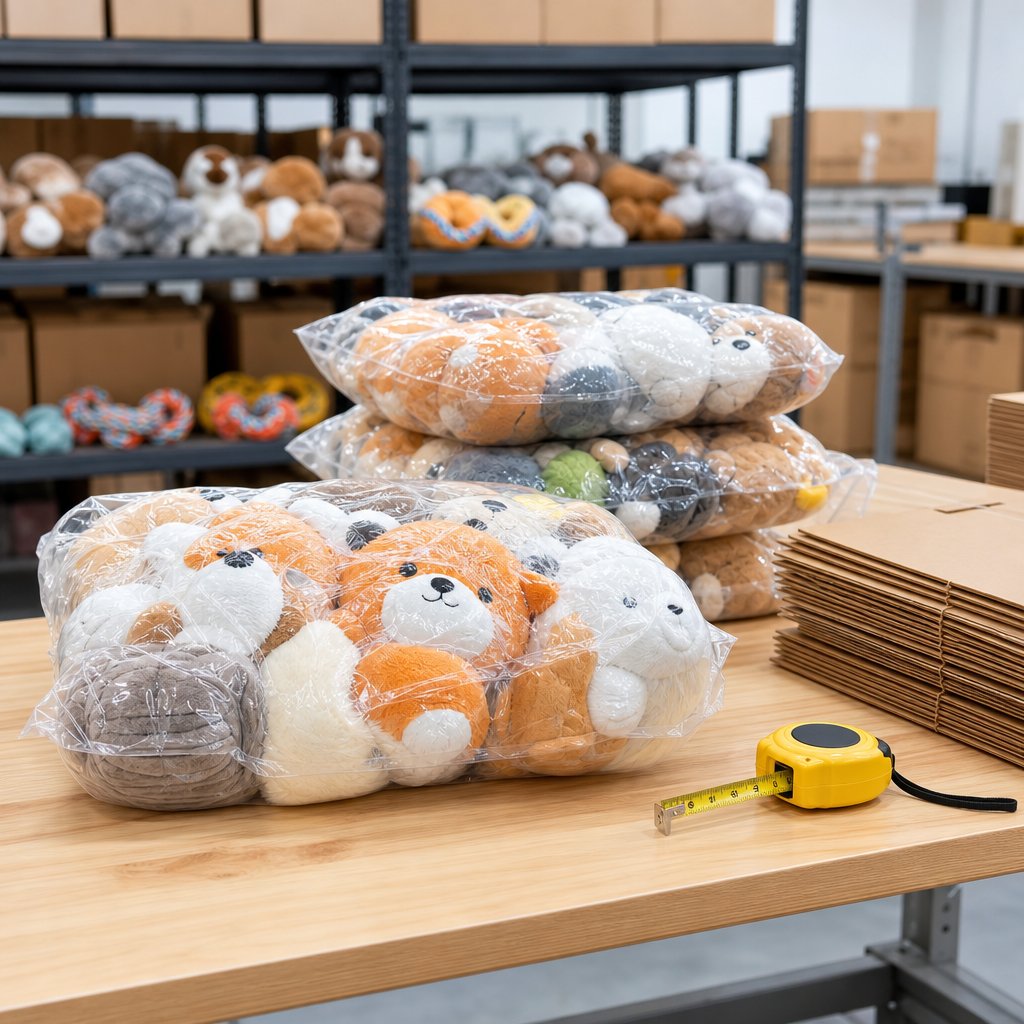
Volumetric Weight: The Hidden Cost of Shipping Plush and Bulky Toys
How chargeable weight is computed, the divisor rules by channel, when compression is safe for plush, and which packaging decisions cut billed volume.

Sea, Air or Express: Freight Choices for Bulky Light Pet Toys
Express, air and sea compared for bulky light pet toys: transit and cost logic, matching modes to replenishment stages, and the hybrid playbook.
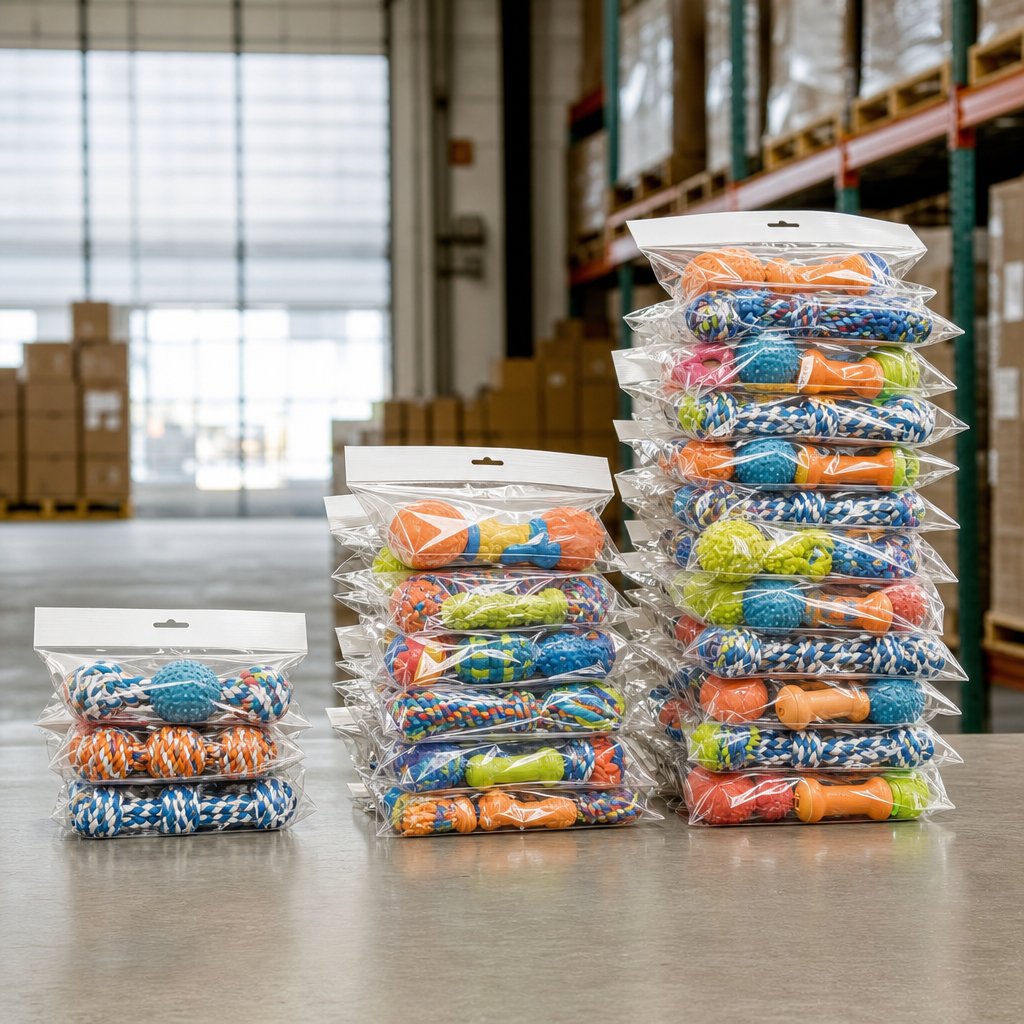
The Real Math Behind MOQ: 500 vs 5,000 Units of One Toy SKU
Why toy MOQs exist, where unit price actually steps down between 500 and 5,000 units, and how to decide the order size your cash should carry.
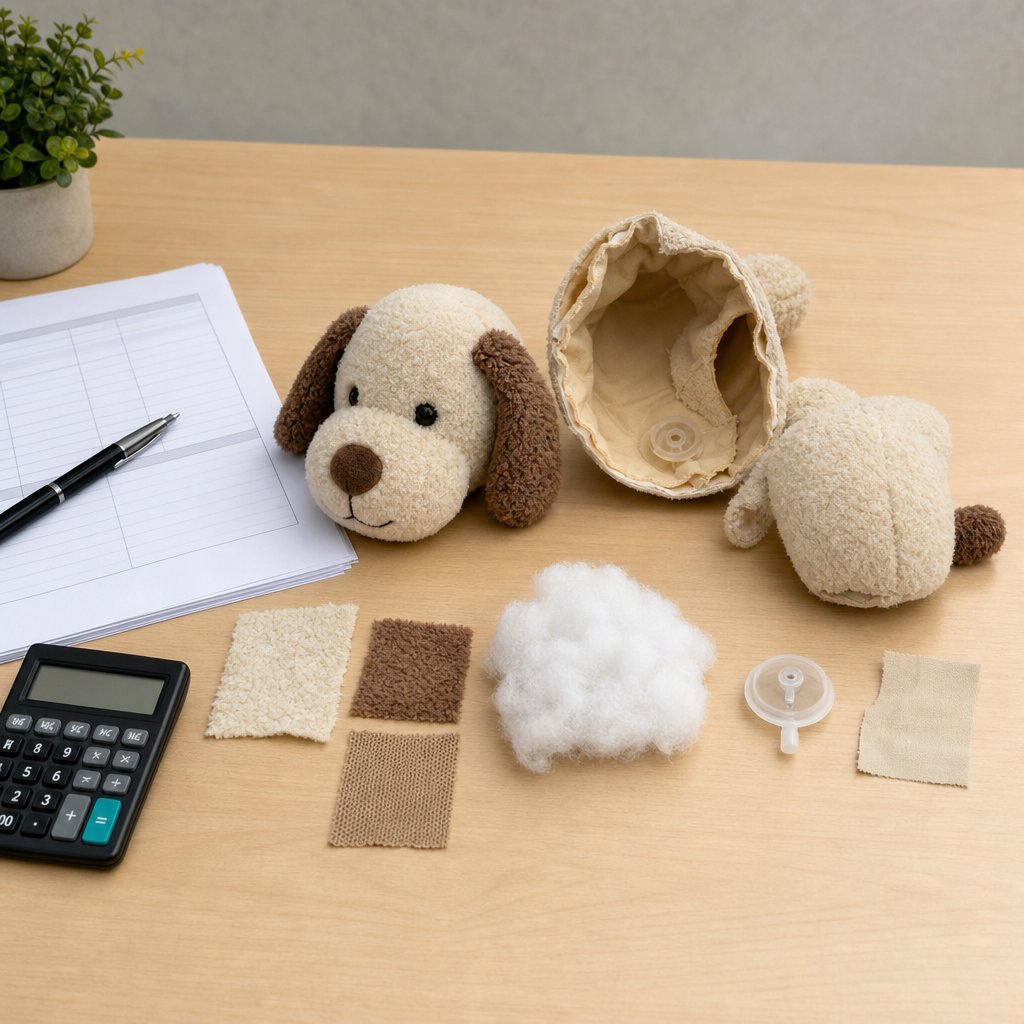
FOB Price Anatomy: Where Every Cent of a Plush Dog Toy Goes
The five cost blocks inside a plush toy FOB quote, where real price gaps come from, and the questions that get a breakdown without insulting the supplier.
Marketplace Ops 平台运营 · 16 articles

Brand Registry and Supplier Documents: What to Prepare Early
What to prepare early for marketplace brand registry: trademark timing, supplier document chains, authorization letters and evidence that wins disputes.

The Pet Product Launch Calendar: Key Retail Moments by Quarter
A quarter-by-quarter launch calendar for pet toy sellers: retail moments, backward scheduling, supplier capacity windows and inventory relays.
Pricing Across Channels: Keeping Amazon, Wholesale and DTC in Line
How to build a channel price architecture for pet toys: MSRP, wholesale and promo floors, conflict buffers, FX swings and a quarterly governance loop.

Selling Pet Toys on European Marketplaces: The Compliance Stack
The compliance stack for selling pet toys on EU marketplaces: GPSR, REACH, EPR packaging registrations, voluntary EN 71 testing and label languages.

UGC and Play-Test Videos: Content Assets to Request from Suppliers
Supplier-side video assets explained: factory footage, play-test briefs, usage rights and how to organize a pet toy content library that converts.
Product Photography for Pet Toys: Shots That Convert
A buyer-grade shot list for pet toy photography: the five images every SKU needs, supplier asset specs, a phone setup that works and image rights basics.

Escaping the Sea of Sameness: Differentiation Angles for Generic Toy Categories
Five differentiation levers for crowded pet toy categories: material, scenario, bundles, packaging and service, each with its cost, moat and first step.

Private Label vs White Label Pet Toys: Which Fits Your Stage
Private label or white label for pet toys? Cost, lead time, differentiation and brand equity compared, with the signals that say when to move up a tier.

Supplying Subscription Boxes: Toy Curation, Packaging and Cadence
What subscription boxes demand from a pet toy supplier: small multi-SKU lots, kitting and inserts, immovable wave dates, CNY buffers and per-wave QC terms.

Getting into Holiday Pet Gift Guides: A PR Timeline for Toy Brands
How pet toy brands get into holiday gift guides: editor logic, a reverse PR timeline, sample budgets and follow-up cadence, and the assets editors expect.
Return Reasons Decoded: Sizing, Aggression and Expectation Gaps
The real return reasons for pet toys: sizing translation failures, chew-strength mismatches and expectation gaps, with a coding method and upstream fixes.
What Drives Pet Toy Reviews: Durability, Smell and Surprise
Durability, smell and surprise drive most pet toy reviews. How to read complaints like an inspector, trace root causes and route fixes into your next order.

Bundles and Multipacks: Pricing Psychology for Pet Toys
How to price pet toy bundles and multipacks: starter trios, life-stage kits and gift boxes, anchoring tactics, freight realities and factory kitting options.

Launching a Pet Toy Brand on Shopify: The 15-Point Checklist
Fifteen checkpoints for launching a pet toy brand on Shopify: foundation, toy-specific catalog assets, trust and retention, plus a first-month operating rhythm.

Keyword Map: How Pet Toy Buyers Actually Search
A four-layer keyword map for pet toy brands: category, material, scenario and compliance searches, B2B versus B2C intent, and a volume-free scoring method.

Amazon Pet Toy Listings: A Compliance and Conversion Walkthrough
A section-by-section Amazon walkthrough for pet toy sellers: category nodes, claim red lines, image rules and the conversion elements that move listings.
Industrial Belt 产业带 · 12 articles
Building a Pet Toy Supply Chain from Zero: A Founder's Path
A founder's path from first sample to repeatable pet toy supply: stage-by-stage costs and timelines, common traps and when to bring in a supply chain partner.
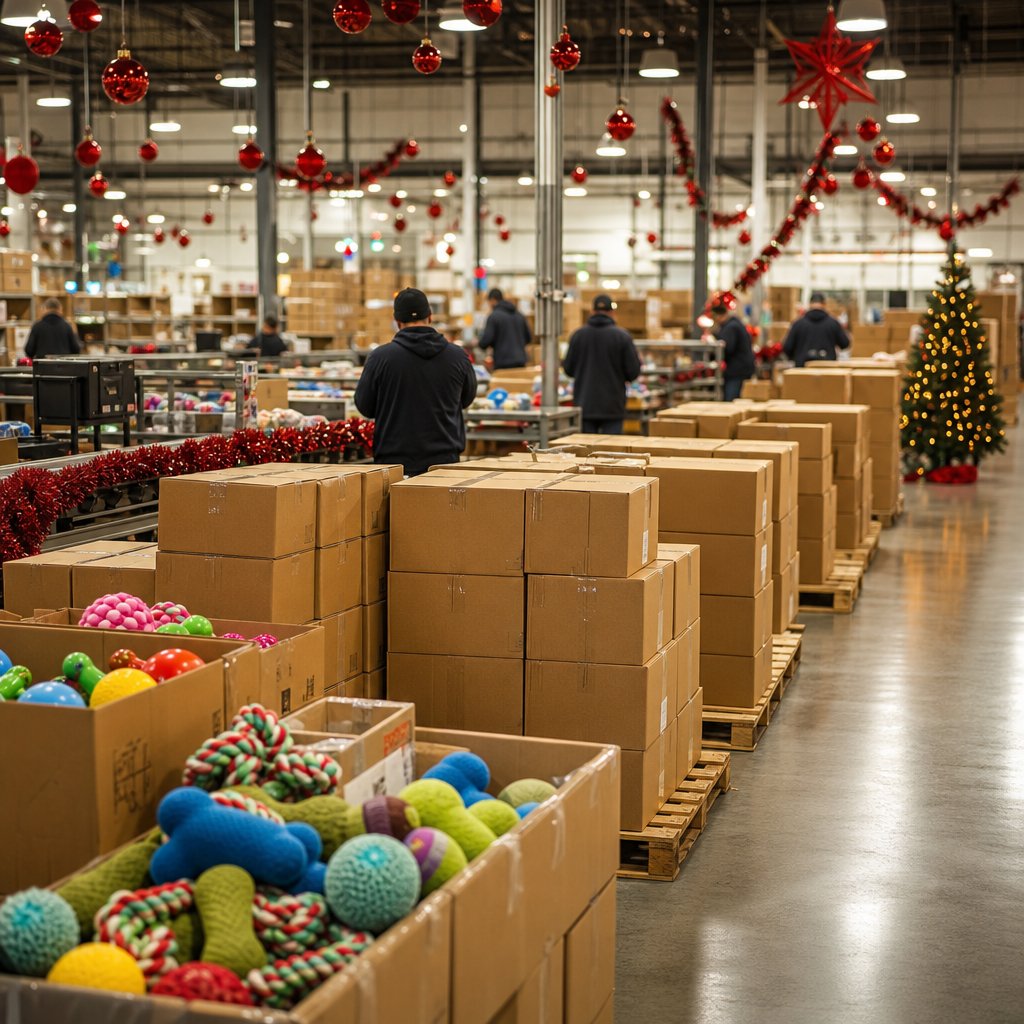
How the Belt Breathes: Chinese New Year and Your Q4 Stock
Chinese New Year compresses the Q4 supply calendar: a month-by-month risk timeline, how to size your stock buffer and what to check when the belt restarts.

Planning a Sourcing Trip: A Seven-Day Pet Toy Belt Itinerary
A seven-day pet toy sourcing itinerary across Yiwu, Yangzhou, Pingyang and Chenghai: daily pace, what to inspect, what to bring and how to follow up.

Material Miles: How Belt Proximity Cuts Toy Costs
How fabric, fill, masterbatch and cartons sourced within a few kilometers cut pet toy costs and lead times, and when to build supply instead of borrow it.
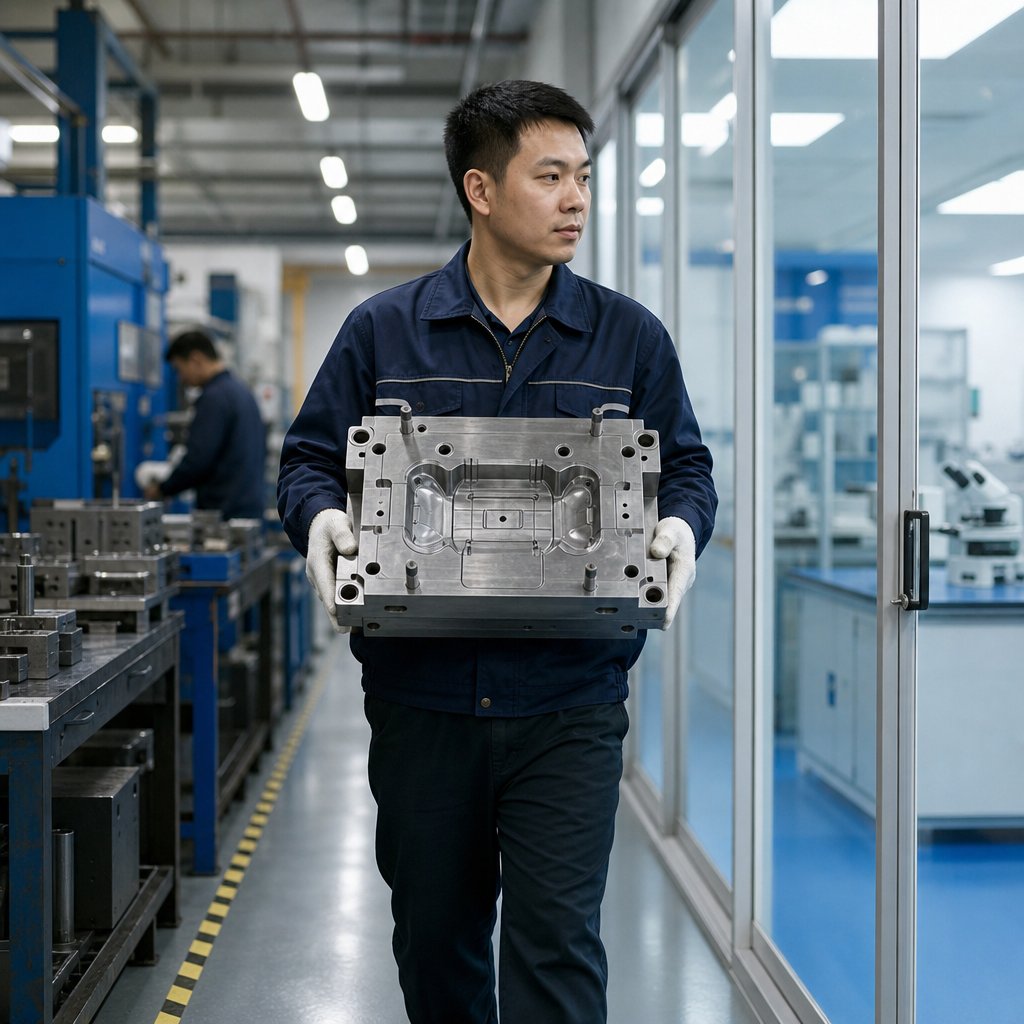
Why Mold Shops Next Door Matter: The Fast Prototype Effect
Why tooling proximity decides prototype speed in pet toys: the mold revision loop inside a cluster, what it does to launch calendars, and how buyers exploit it.
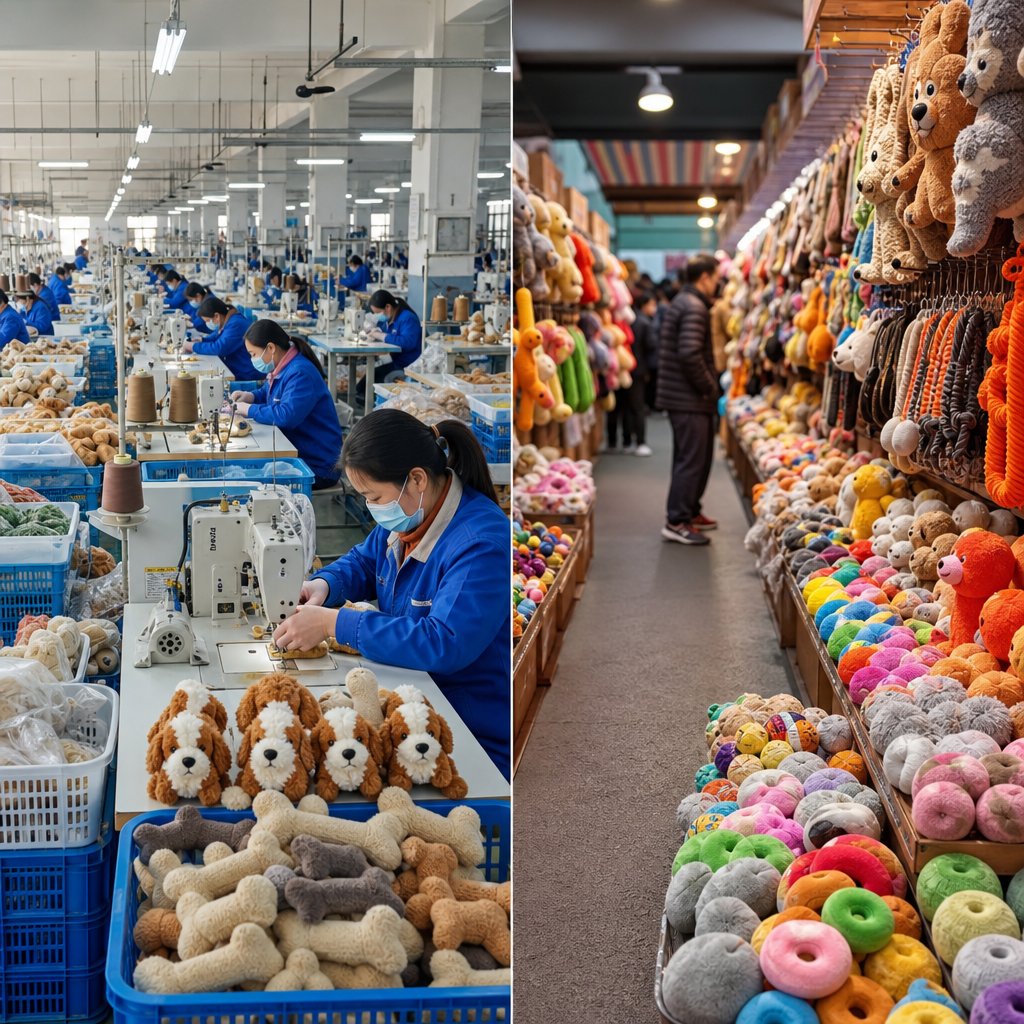
Factory-Direct vs Yiwu Market: Total Cost Compared
Factory-direct or Yiwu market for pet toys: price, MOQ, lead time, QC and hidden costs compared, plus when each route wins and how to blend the two.
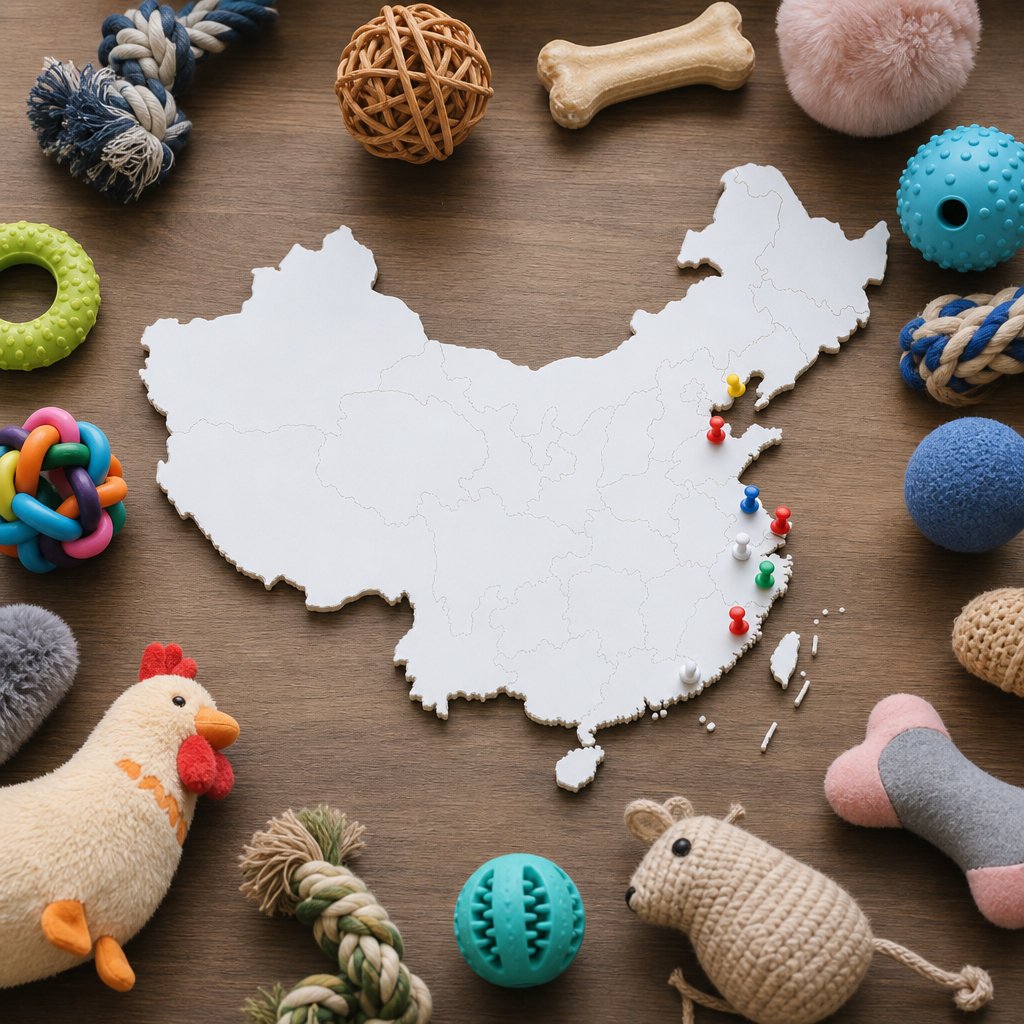
A City Map of China's Pet Toy Supply: Who Makes What
A city-by-city map of China's pet toy supply: which belt makes plush, plastic, rope and chews, with verified facts and a belt-or-factory decision path.

Industrial Belt vs Single Factory: Where Cost and Flexibility Actually Come From
Where cluster sourcing cost and flexibility really come from, what a single large factory does better, and how to match your order profile to the right model.
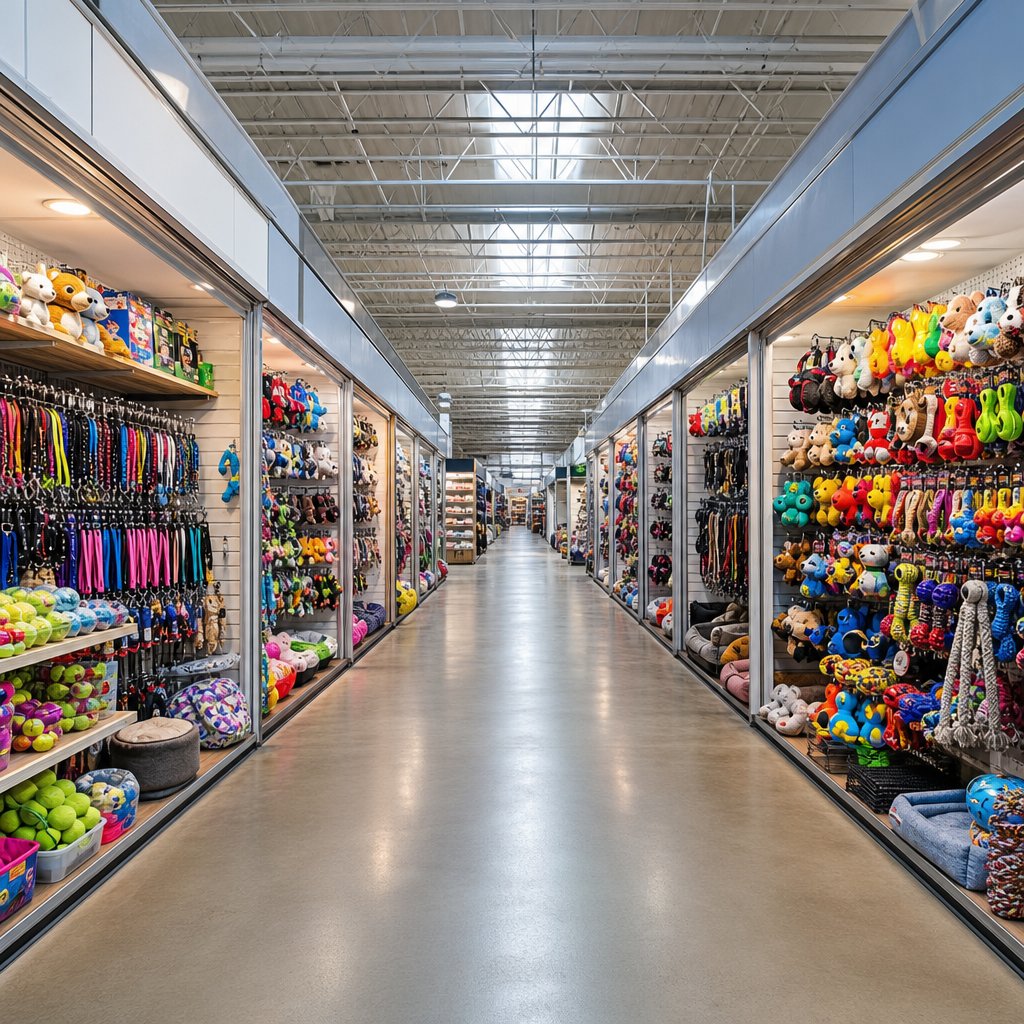
Yiwu for Pet Toy Buyers: Market Rows, Agents and Consolidation
A working guide to Yiwu for pet toy buyers: market rows, reading booth versus factory, when agents earn their fee and how consolidation shipping works.
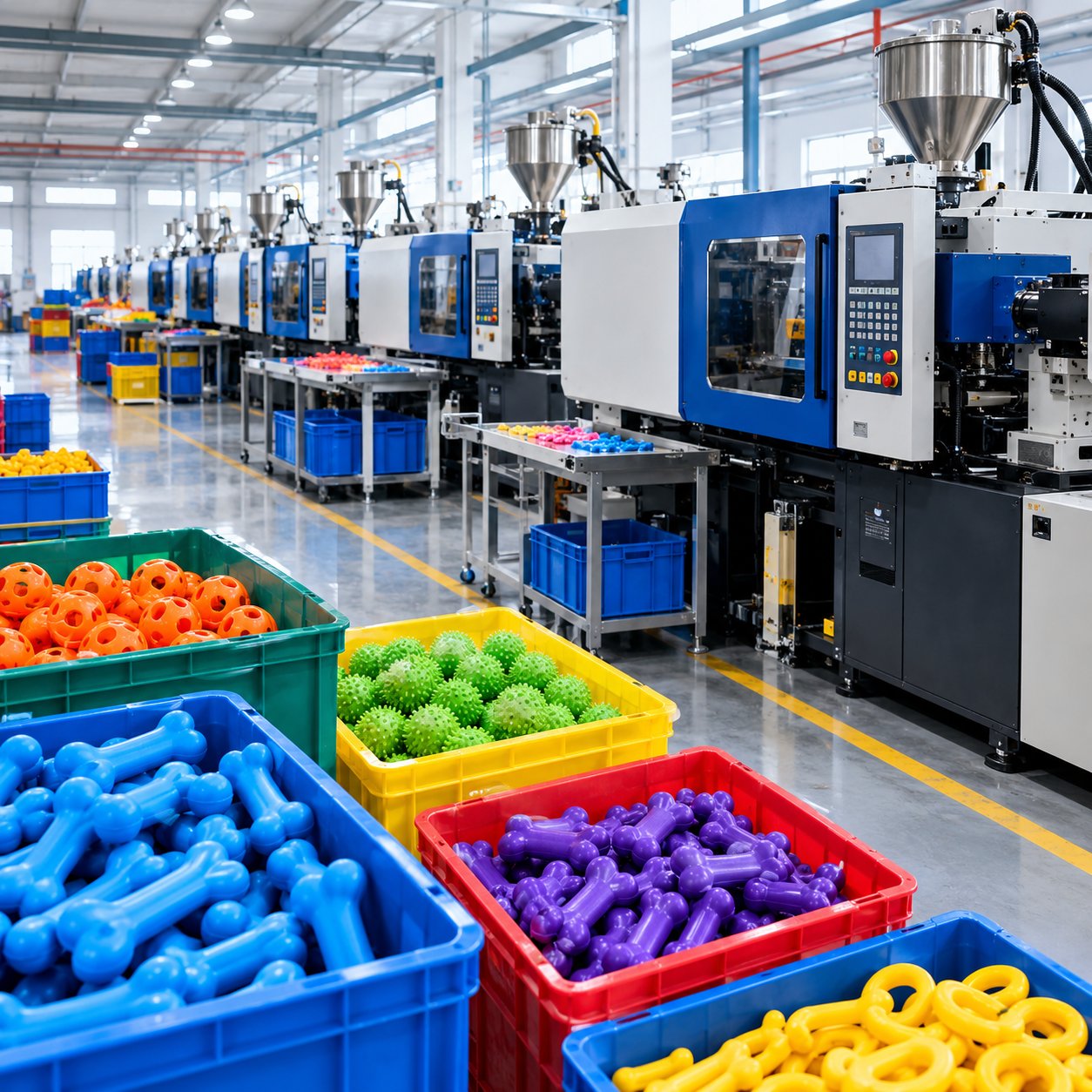
Chenghai's Toy Industry: What It Means for Plastic Pet Toys
What Chenghai's toy cluster means for plastic pet toys: mold depth, sampling speed, capacity spillover and the checks buyers should run before ordering.

Pingyang: From Leather Chews to a Full Pet Supplies Belt
Pingyang, China's pet supplies export base: from leather chews to a full belt of toys and leashes, with verified figures and buyer-side sourcing notes.
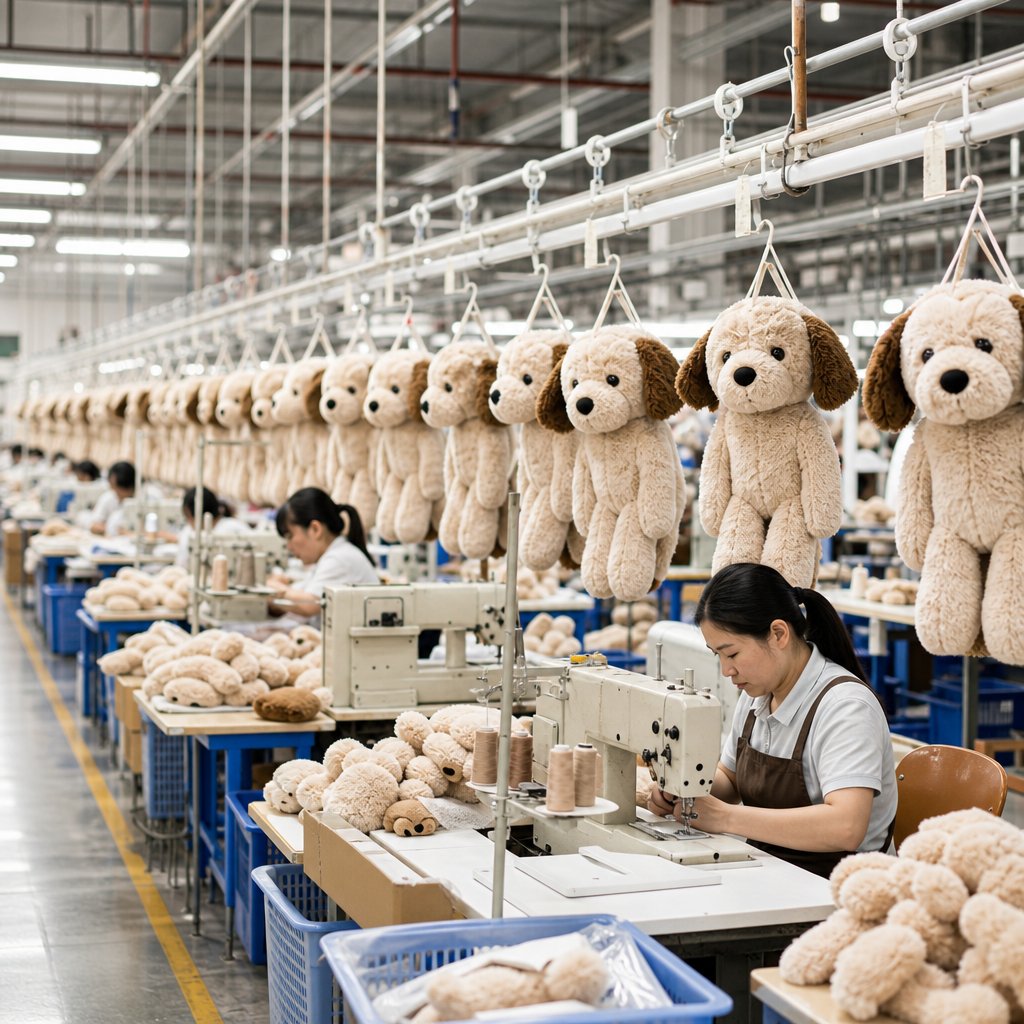
Inside Yangzhou: China's Plush Toy Capital and Its Pet Lines
Inside Yangzhou's plush toy belt: verified scale figures, how gift plush lines extend into pet toys, sampling speed and a practical factory-visit route.