Key Takeaways
- Every defect has an address: it was born at one station, and naming the station is half the fix.
- Twelve defects cover most of what buyers find in plush: two born at cutting, three at sewing, two at stuffing, three at finishing, two at packing.
- Safety escapes are always rejects; cosmetic flaws are graded; and timing decides whether a repair is a fix or a cover-up.
- Defect trends diagnose better than defect counts: a doubling points to a process change, not an effort problem.
- Talk in photos, station names and counts per thousand — adjectives do not survive the flight home.
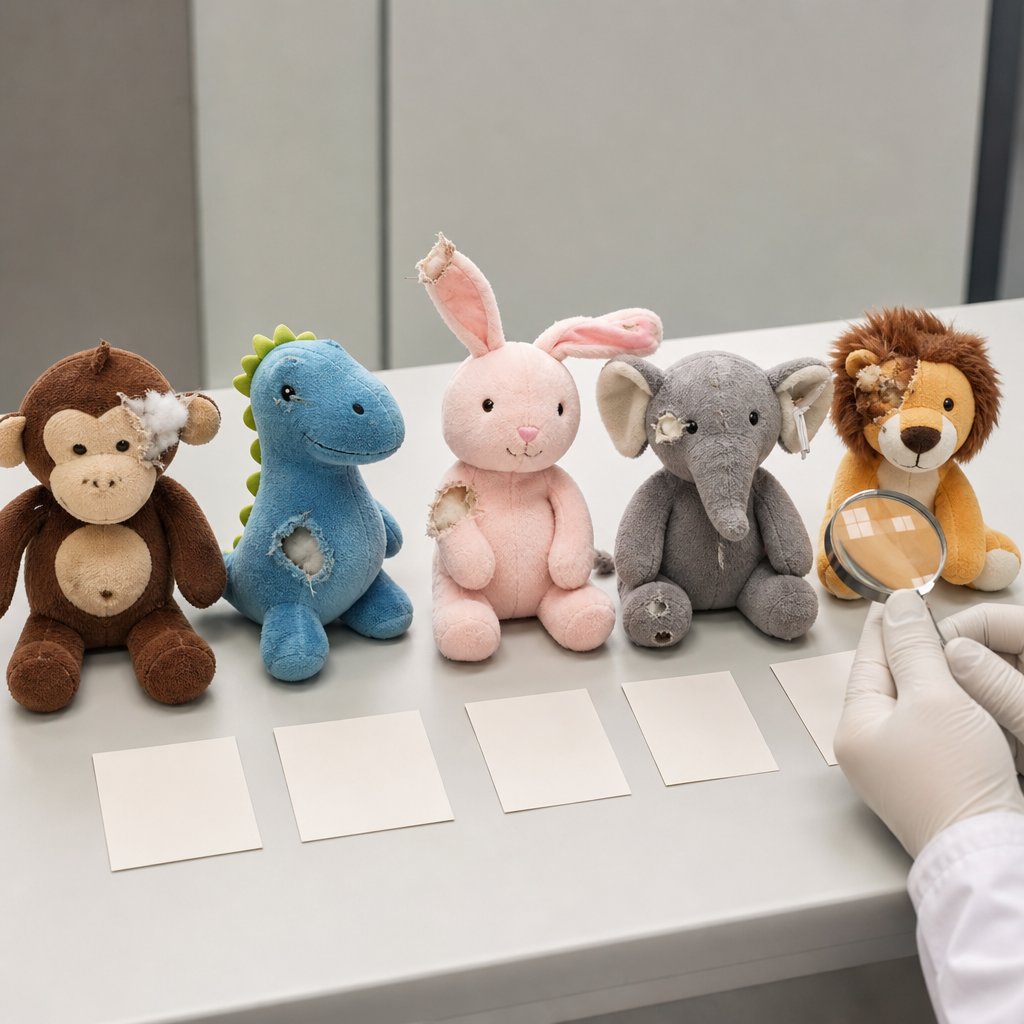
Open a returned plush toy and you are reading a diary: the loose thread is from Tuesday's sewing shift, the bald patch from a shearing blade that needed changing, the lopsided face from an operator who was moved to a new line. Buyers who treat defects as random bad luck pay for them twice — once in returns, once in the vague corrective actions that follow. Buyers who read defects as fingerprints of specific stations fix them at the source.
Here are the twelve defects that cover most of what inspection finds in plush pet toys, arranged by the station that produces them.
Every Defect Has an Address
A plush toy walks through five stations — cutting, sewing, stuffing, finishing, packing — and each station manufactures its own signature failures. This matters for a practical reason: you cannot fix a station you have not named. A report that says quality is poor sends a factory to inspect itself generally, which means changing nothing. A report that says seam 3 openings doubled after the line change on the tenth sends a supervisor to one machine, one operator and one setting. The habit also disciplines the buyer side: once defects are mapped to stations, they can be counted, trended and priced — which is when quality stops being a mood.
The Twelve, by Station
| Defect | Station and cause | Repair or reject |
|---|---|---|
| 1. Shade mismatch between panels | Cutting — panels cut from different dye lots | Reject for sales samples; rework only if hidden panels |
| 2. Fur direction reversed | Cutting — pattern pieces nested without grain arrows | Reject; visible on the whole toy face |
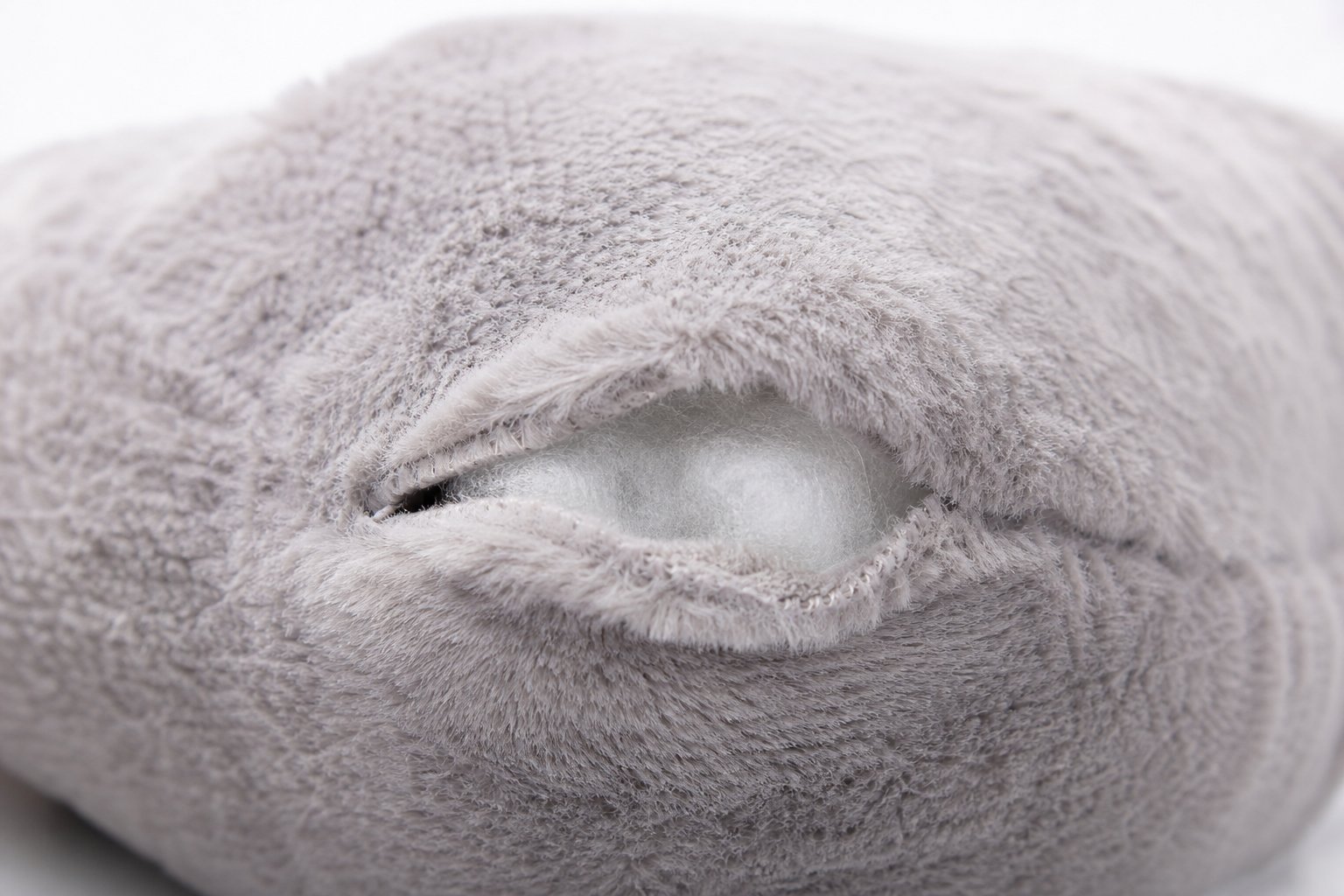
| 3. Open or weak seam | Sewing — low stitch density, wrong tension, skipped backstitch | Repair before packing; reject if stuffing has escaped at final check |
| 4. Wavy or twisted seam | Sewing — fabric fed unevenly, seam allowance drifting | Repair if minor; reject on face panels |
| 5. Skipped stitches | Sewing — worn needle, machine timing off | Repair; escalate to maintenance if repeated |
| 6. Lumpy or uneven filling | Stuffing — filling not broken up, dosed by feel | Reject; re-stuffing distorts seams |
| 7. Underfilled toy | Stuffing — weight target missing, operator pacing | Reject; a soft toy reads as used |
| 8. Crooked or loose eyes and nose | Finishing — placement by eye, weak attachment force | Repair if placement only; reject if attachment fails pull |
| 9. Trim cuts and shaved patches | Finishing — careless blade work at trimming or brushing | Reject; cuts read as damage to buyers |
| 10. Shedding beyond the agreed norm | Material and finishing — loose pile, poor shearing, wrong fabric | Reject the fabric lot, not the toy |
| 11. Stains and oil marks | Handling — machine oil, dirty hands, open bays | Reject if visible at arm's length; spot-clean only off-product |
| 12. Wrong or missing hangtag | Packing — mixed tag trays, no line-side check | Rework before carton seal; reject after |
Read down the middle column and a pattern appears: most defects are not craft failures but system failures — dye lots not segregated, arrows not marked, weights not checked, trays not audited. Which is good news, because systems are cheaper to fix than craftsmanship.
Repair or Reject: Where to Draw the Line
Three rules settle almost every disposition argument. First, anything that lets the inside escape or a part come free is a reject, always — an open seam caught in-line can be re-stitched and re-checked, but an open seam found at final inspection has already had its chance. Second, cosmetic flaws are graded by distance: visible at arm's length is a major, visible only in the hand is a minor — write the distances into the inspection standard so the grading happens before the argument. Third, timing decides honesty: a repair made the day the defect was found is rework; a repair made the day the container was scheduled is camouflage. Factories know the difference, inspectors know the difference, and your catalog should say which one gets shipped.
Naming It Right: Vocabulary With the Factory
The fastest way to be dismissed by a production floor is to describe defects in customer language. Factories act on their own vocabulary: shade banding, not different colors; stitch skip, not weak seam; filling weight, not feels cheap; trimming cut, not torn. Build the defect catalog together with the factory's line leaders, assign each defect a code, and require findings to be reported as code, station, count and photo. A weekly Pareto — the top three defects by count — gives the meeting one page and one question: which station moves this week? Buyers who arrive with this format get engineering responses; buyers who arrive with a pile of returned toys get apologies.
Reading Trends Before They Become Batches
Counts tell you what happened; trends tell you what is about to. Track defects per thousand inspected by station and week, and three signatures are worth learning. A step change — a defect doubling in one week — points to a process change: new fabric lot, new operator, moved machine, changed needle. A slow drift usually points to fatigue: overtime lengthening toward a shipment date. And a spike confined to finishing is the classic new-line signature: operators reassigned before their hands learned the toy. Our own lines carry a first-pass yield target of 98% or better at shipment inspection, and the only way such a number survives peak season is by reading these signatures early enough to add training instead of overtime.
The audit route that keeps these stations honest, and the sampling rules that grade what inspection finds, are covered in our articles on the plush factory walk-through and on AQL defect classes; the standards we inspect against are published on the quality page.
Frequently Asked Questions
Which plush defects are safety-critical rather than cosmetic?
Can open seams be repaired before shipment?
Why do defect rates spike in peak season?
How do I get a factory to take my defect list seriously?
Want a line that ships 98% first-pass — not 98% apologies?
Send your plush program — we will share our defect catalogs, station checks and the first-pass numbers behind our shipment records.