Key Takeaways
- A golden sample is the agreed reference for a SKU — signed, dated, held by both sides; not the nicest sample in the drawer.
- Seal it after every open question is closed — color, material, weight, packaging — and before the mass-production deposit.
- Freeze what disputes touch: color under a defined light, hardness for rubber, seams and filling for plush, ply and diameter for rope, an odor reference always.
- Three copies beat one: buyer, factory and, where it exists, a third party.
- In a dispute, the golden sample outranks memory: re-test against it, in writing.
The reorder does not match the launch shipment. Color drifted, the filling feels different, and the factory insists nothing changed. When nobody can produce a reference for what right looked like, the argument collapses into opinion — and opinions are settled by whoever shouts last. Golden samples exist to prevent exactly this conversation.
This article covers the sign-off flow that makes a golden sample meaningful, what to freeze per material, how to seal color and smell, and what weight the sample carries when measured numbers disagree.
What a Golden Sample Is — and What It Is Not
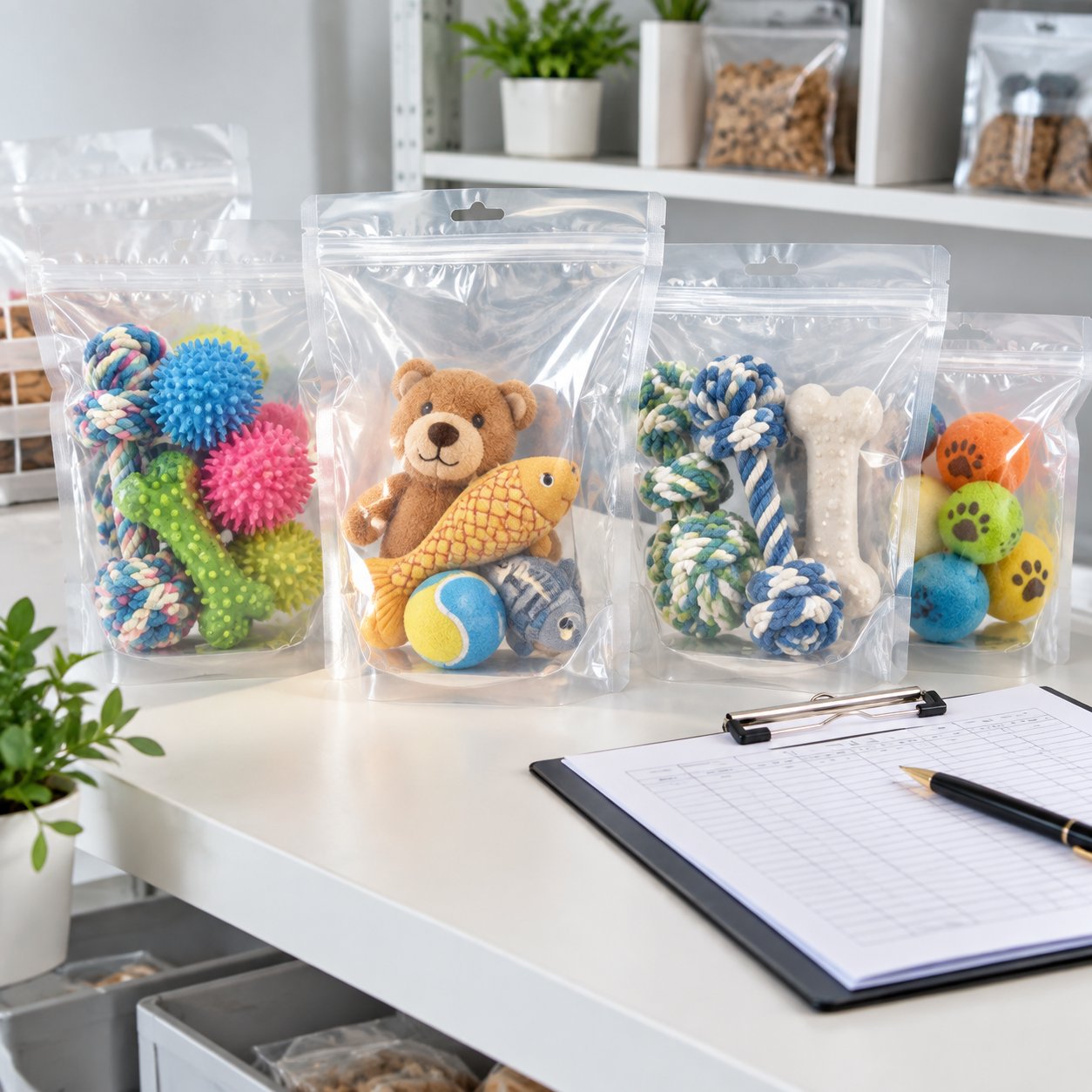
Definitions matter because sample types get mixed in daily traffic. A development sample explores; a counter sample confirms the factory can copy; a pre-production sample is the near-final check; a shipment sample documents what left. The golden sample is different in kind: it is the contract reference that all the others are measured against, and it only exists once both sides have signed it. Two consequences follow. First, a golden sample is created at a moment of closure — every open question resolved — not at a moment of hope. Second, it is a set, not a piece: the toy, its packaging, its hangtag and its color reference travel together. The full family of sample types is decoded in our separate article on sample types; here we stay on the golden one.
The test is simple: hand the file to someone who was not in the room. If a stranger can pick up the sealed set and the register line and answer — what color is right, how firm is the filling, what does the hangtag say — the golden sample is doing its job. If the answer requires a phone call to whoever remembers the negotiation, it is a souvenir with a staple, not a reference. Buyers who run this test before the deposit rarely run disputes after it.
The Sealing Flow: Three Copies, Two Signatures
The flow is short and strict:
- Timing: seal after the pre-production sample is approved and before the mass-production deposit — leverage lives before money moves.
- State: every property closed — colorway, material, weight, size, baseline odor, packaging art.
- Signature: both parties sign and date each sealed bag or its tag; unsigned samples are souvenirs.
- Copies: minimum two — buyer and factory — ideally three, with the third at an inspector or agent.
- Register: one line per sample in a shared log — SKU, date, version, who holds which copy.
- Photos: the sealed set is photographed against a neutral background beside the order number.
The register line matters more than it looks. Six months later, the question of which version was approved is answered by a log entry, not by a memory contest.
What to Freeze, by Material
Freeze the properties that actually drift:
| Material | Freeze this | How to seal | Re-check trigger |
|---|---|---|---|
| Plush | Face color, fur direction, seam density, filling firmness | Opaque sealed bag plus a cut color chip | New fabric lot or new mill |
| Rubber and TPR | Shore hardness value, color, part weight, odor reference | Sealed bag with the hardness value written on the tag | Compound or cure change |
| Rope | Ply count, diameter, colorfastness, end treatment | Sealed bag | New yarn batch |
| Squeaky toys | Squeaker model and attachment method | Sealed finished toy | Squeaker supplier change |
The pattern in the last column is worth internalizing: samples do not prevent change — they detect it. Every trigger is a moment when the factory will honestly say nothing changed, and the sealed set is how you check those words at zero cost.
Sealing Color and Smell
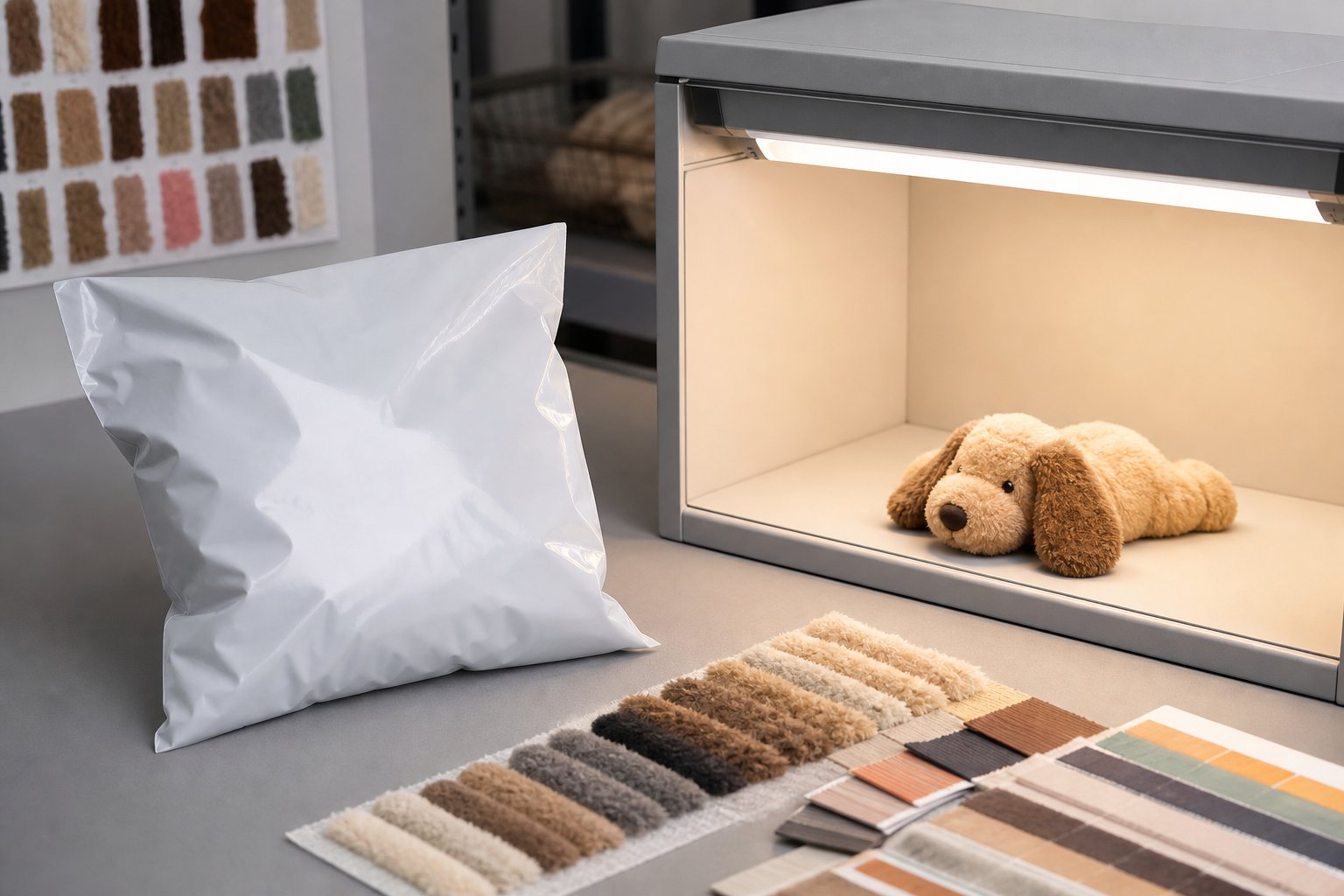
Color and odor are the two properties that quietly escape enforcement, so both need physical anchoring. For color, the enemy is context: daylight, office lamps and phone screens all disagree. The professional move is a color chip cut from the approved fabric or compound, sealed with the sample, plus agreement that color judgments happen under a defined light source. A light booth with daylight settings is the standard tool; two parties judging under the same lamp type get the same answer. Bag plush in opaque pouches — clear plastic bags age, yellow and shift perceived color. And keep metamerism in mind: two shades that match under one lamp can diverge under another, which is why claims about matching in daylight need the defined lamp to come first.
For odor, seal an untouched reference in a thicker foil-lined bag, and agree the reading protocol at sealing time: the open-box reading, the rub reading and the sealed-bag reading, judged by how many people and against which words on the scale. An odor reference without a protocol is a perfume bottle without a vocabulary.
When Disputes Happen: Evidence Status and Re-testing
In a quality argument the evidence hierarchy is short: the signed golden sample first, measured shipment samples second, photos third, memory never. The dispute mechanics that work:
- Compare against the golden sample, not against a kept launch toy that has faded on a shelf.
- Chemistry claims go to a third-party laboratory, tested against the sealed reference — never re-negotiated between salespeople.
- If measured values disagree, open a fresh shipment sample jointly, on camera, with the register on the table.
- Escalate by the path written in the order — rework, re-inspection, charge-back — agreed when nobody is angry.
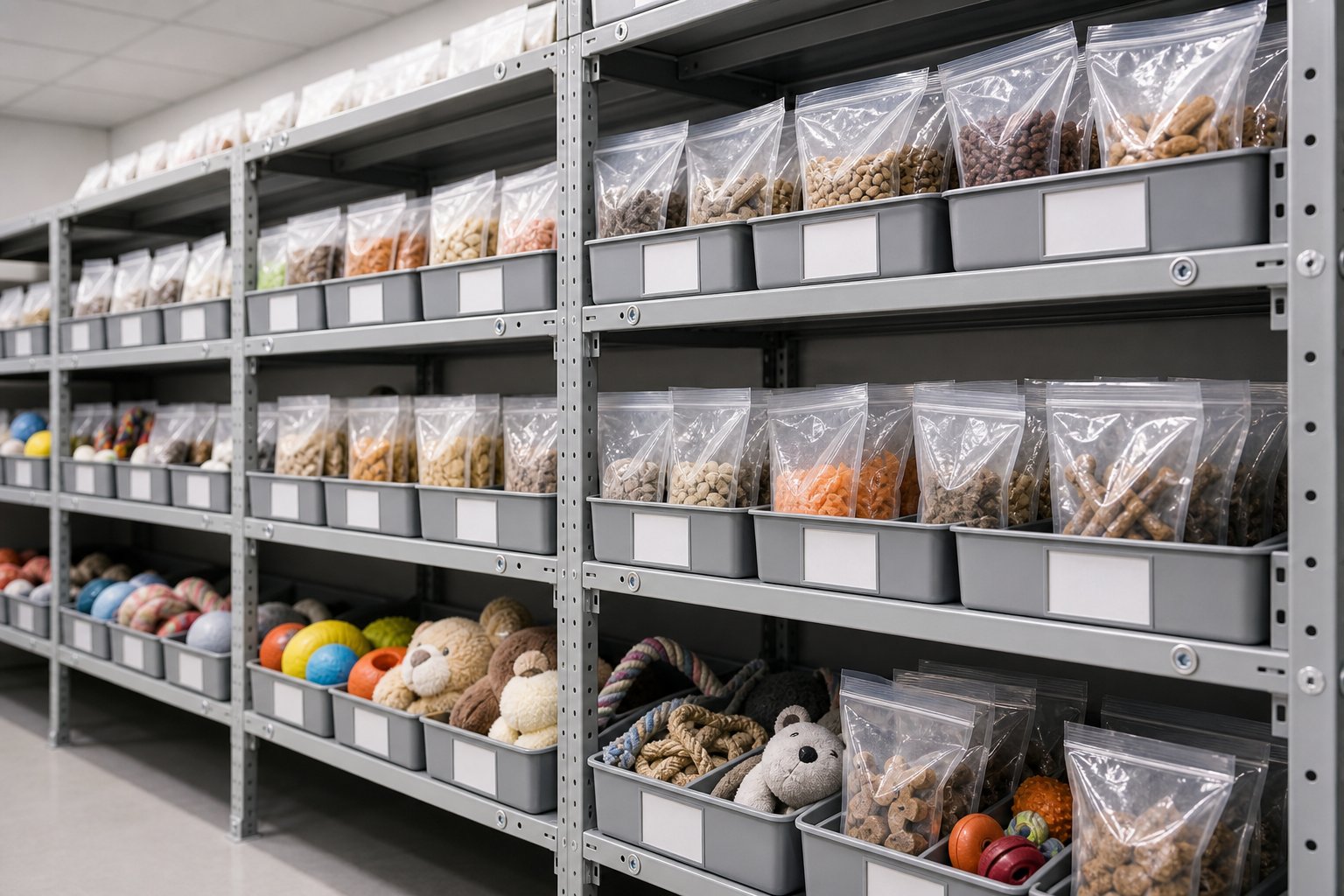
Our own practice runs alongside: every SKU is retained at three pieces per batch for 24 months, so a dispute can reach the exact production lot rather than a generic memory of it. The criteria we hold suppliers to are published on the quality page.
Frequently Asked Questions
When exactly should the golden sample be sealed?
Who should keep the golden sample?
How long should golden samples be kept?
What if the factory's copy and our copy disagree?
Sealing the standard before the first carton?
Send your SKU list — we will walk you through our sample sealing flow and the retention records kept for every batch.