Key Takeaways
- Most quality disputes are sample disputes in costume. Nobody argues about "quality" — they argue about which physical object the word "approved" was pointing at.
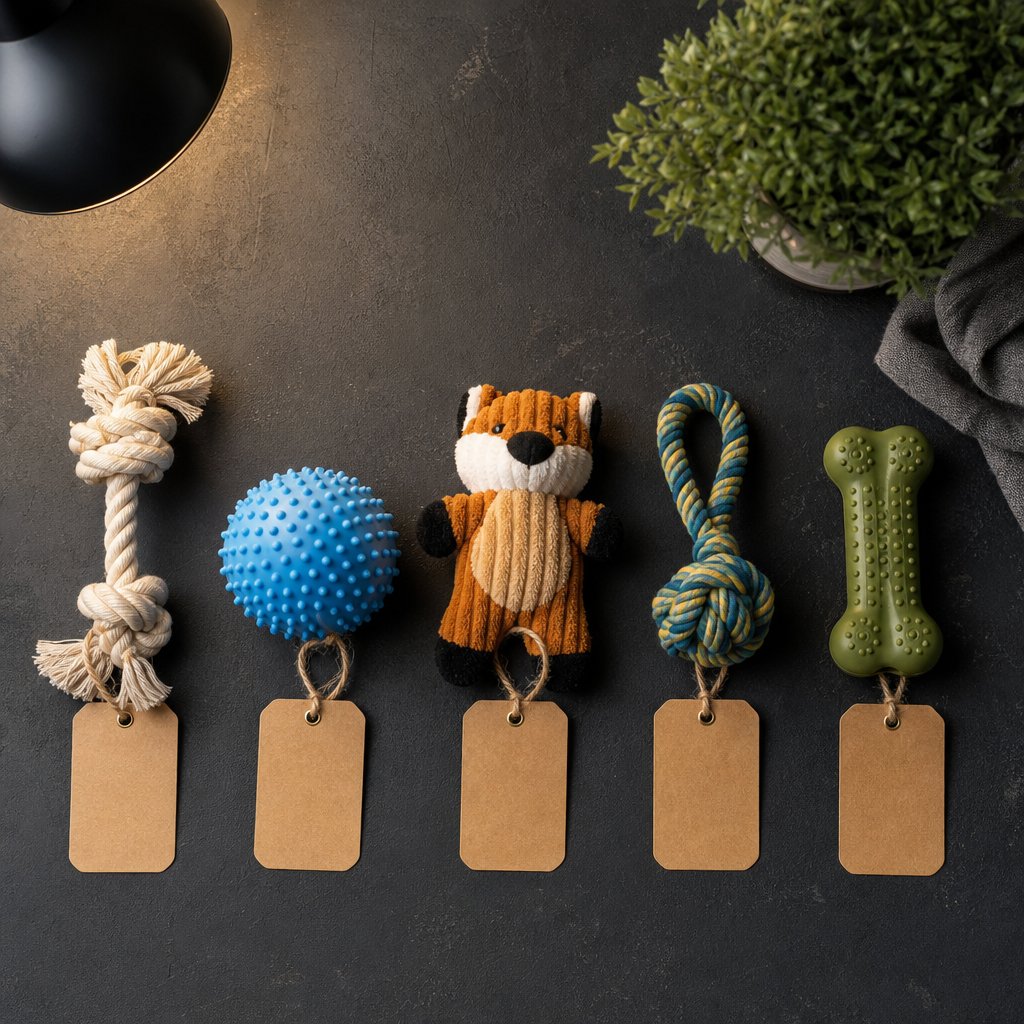
- Five sample types matter in pet toy sourcing: development, counter, pre-production, golden and shipment. Each proves a different thing.
- The signed, dated golden sample — sealed in duplicate — is the only object with real contract weight.
- Timeline traps live between samples: couriers at both ends, holiday compression, and approvals left unread long enough to decay.
- A golden sample proves appearance and construction — not compliance. Material safety still rests on test reports, which are a separate chain.
Open almost any finished quality dispute between a pet toy buyer and a factory and you will find, at the bottom of the file, not an argument about quality at all. You will find an argument about objects: the buyer approved one physical toy, the factory produced from a different one, and both behaved in good faith toward the object in their hands. Sampling is the industry's way of preventing exactly that — a chain of five distinct artifacts, each with a name, a purpose and a different weight as evidence. Run the chain cleanly and disputes become rare and short. Break it — approve by email photo, accept a counter sample without reading it, skip pre-production — and the disagreement was scheduled years in advance.
Five Objects, Five Meanings of "Approved"
The vocabulary sounds like jargon until each object's job is stated. Then it becomes the most useful checklist in sourcing:
| Sample type | Purpose | Who produces it | What it proves |
|---|---|---|---|
| Development sample | First physical answer to a sketch or reference; explores feasibility | Factory, from your brief | The concept works in three dimensions — nothing more |
| Counter sample | Factory's counter-proposal, often cost-adjusted materials or construction | Factory, on its own initiative | How the factory interpreted your request — for better or cheaper |
| Pre-production sample | Made on production tooling and materials just before the mass run | Factory, on the production line | The process is ready; the last cheap moment to change anything |
| Golden sample | The sealed reference: signed, dated, ideally in duplicate | Factory, sealed jointly with buyer | The definition of "correct" for every later comparison |
| Shipment sample | Pulled from the actual batch at final inspection | Factory, retained | What actually shipped — the anchor for any future claim |
The evidence weight climbs down that table. A development sample proves enthusiasm; a golden sample proves terms; a shipment sample proves facts. Confusing the tiers — treating an approved development sample as a production standard — is the single most common cause of the "this is not what I ordered" letter.
How the Chain Should Flow
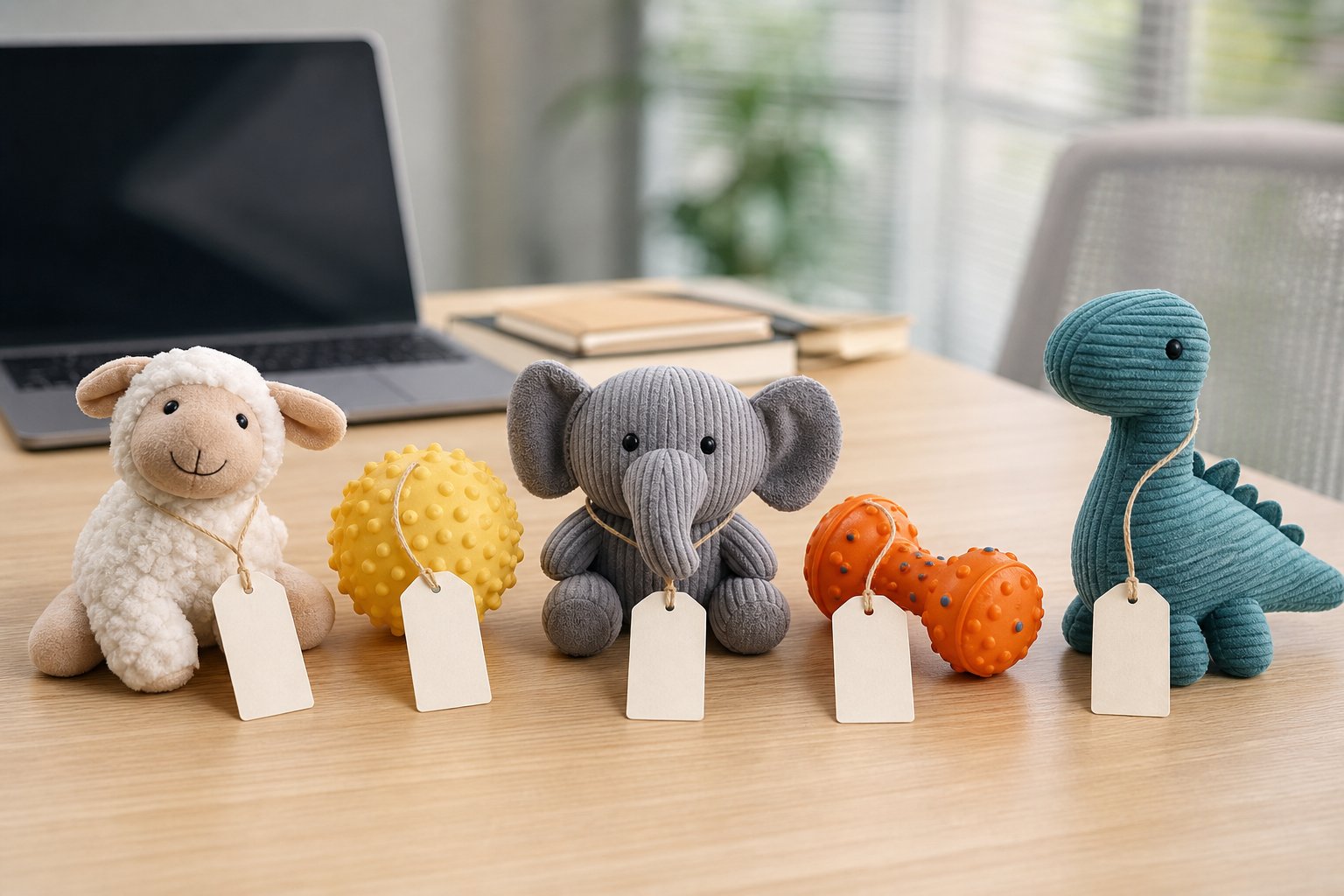
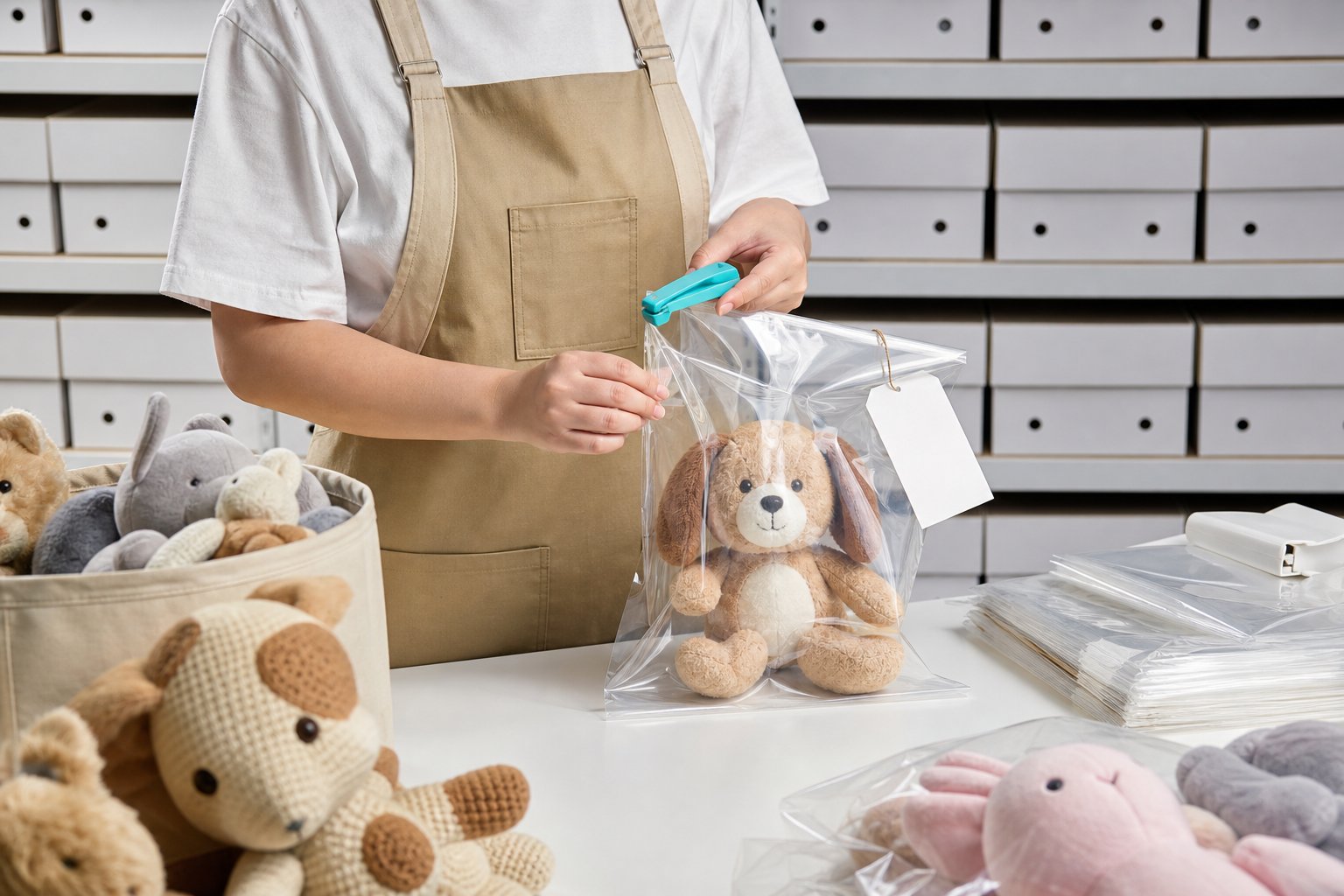
A clean sampling chain is a relay, and every handover leaves a mark. The development sample answers "can this exist"; your comments on it become the counter sample's brief; the counter sample, once accepted in writing, defines the cost and construction baseline. Pre-production then runs on the real tooling and the real materials — and this is the step most often skipped by buyers in a hurry, which is unfortunate, because it is the last moment when a change costs hours instead of a production run. What the PP sample proves becomes the golden sample: pulled from the PP batch, labeled, signed and dated by both sides, sealed in a bag, duplicated so buyer and factory each hold one. From that moment the golden sample outranks everyone's memory. Finally, the shipment sample is drawn from the packed batch — in our programs, three pieces per batch, retained for 24 months — closing the loop between what was approved and what sailed.
Timeline Traps Between the Samples
The samples themselves are rarely where projects slip; the space between them is. Four traps account for most of the lost weeks:
- Courier time at both ends. A "one-week sample" is easily a two-and-a-half-week round trip once international shipping is counted twice. Budget it from the start.
- Approval decay. A sample that sits unread for a fortnight is not approval in progress — fabric lots and workshop schedules move on, and the quoted 7 to 12 days for a modification sample quietly restarts.
- Holiday compression. A new-mold project quoted at 25 to 40 days that crosses the Spring Festival will not finish in 40. Plan mold projects away from it, not through it.
- Verbal approvals. "Looks fine, proceed" over a call is the most expensive sentence in sourcing. Every approval is a dated, written reference to a labeled sample — or it is nothing.
For calibration: our own process quotes 7 to 12 days for a modification sample on existing molds and 25 to 40 days for new-mold development; industry-wide, plush sampling is commonly quoted at 5 to 15 days and new molds at 25 to 60. Numbers far outside those bands are a question, not a promise.
Fees, Couriers and the Etiquette That Buys Speed
Sampling has a small economy of its own, and knowing the norms prevents both overpaying and under-investing. Common practice: the buyer pays sample fees and international courier, typically on the buyer's courier account; many factories credit the sample fee against the resulting bulk order — ours does, and states it on the OEM/ODM page. What the fee actually buys is prioritization: a paid sample joins the workshop queue as committed work rather than a favor. In return, the buyer is entitled to discipline: every sample labeled with a version and date, every shipment accompanied by photos, and every material substitution declared rather than discovered. When either side drops that etiquette — unlabeled samples, silent substitutions — the next dispute has already been drafted, and the golden sample guide shows how the sealing ritual prevents most of it before it starts.
Frequently Asked Questions
What is the difference between a counter sample and a pre-production sample?
Which sample counts as the contract reference in a dispute?
How long does pet toy sampling take?
Do buyers have to pay for samples and couriers?
Want a sampling chain that ends in a sample you can point to?
Send your concept or reference — we reply with the sample plan, the timeline per stage and FOB ranges for the resulting tiers.