Key Takeaways
- Velour, PV fleece and imitation rabbit are all knitted pile fabrics — the differences that matter are pile length, density and base-knit tightness, not marketing names.
- Shedding in dog applications is decided by base-knit density and pile anchoring; short-to-medium pile wins because there is less fiber to pull.
- Fabric weight (gsm) is the most commonly gamed spec in plush sourcing — a 10 cm swatch and a 0.1 g scale settle it in minutes.
- Chew survival tracks the backing: pile can be groomed, a blown-out seam or stretched base knit cannot be repaired.
- Match fabric to price tier deliberately: velour and light PV fleece below, standard PV fleece in the middle, imitation rabbit and mixes at the top.
Two plush dog toys can look identical in a listing photo and behave nothing alike in a living room. One keeps its face after a month of carrying and shaking; the other thins over the nose by week two and leaves fur on the carpet that was never on the dog. The difference is almost never "plush quality" as a general idea — it is which of three specific fabrics is on the shell, at what weight, with what base knit underneath. Those choices are made at the cutting table, and they are the most commonly gamed decisions in this category.
This guide walks through the three workhorse fabrics — velour, PV fleece and imitation rabbit — the specs that describe them, how shedding and chew damage happen, and how to catch the weight mislabeling that undercuts first orders.
Three Fabrics, One Family: How the Pile Gets There
All three fabrics start the same way: a knitted base cloth, into which a pile yarn is knitted, then raised, brushed and sheared into the surface the shopper feels. What separates them is the geometry of that pile.
Velour carries a short, dense, evenly sheared pile — the closest thing to velvet at toy prices. It prints and embosses cleanly, shows embroidery well and keeps small parts like noses and paws crisp. The short pile leaves little fiber for teeth to harvest, so velour shells age gracefully even with retriever-type mouths.
PV fleece is the category default: a super-soft, mid-length pile with a silky, slightly springy hand that drapes over stuffing into rounded, huggable shapes. Its weakness is its charm — the silkier pile invites pulling, so chew performance depends heavily on base-knit tightness and how well the pile was anchored in finishing.
Imitation rabbit (long-pile fake fur) is the premium read: pile long enough to comb and fluff, with natural-looking tips. It hides seams beautifully and makes larger toys feel luxurious — and gives a dog the most fiber to grab, demanding the densest base knit of the three.
Reading the Spec: Weight, Pile Height, Backing
Three numbers describe a plush fabric for ordering purposes, and buyers who quote all three get dramatically fewer surprises:
- Weight (gsm) — grams per square meter of finished fabric; the single biggest cost driver and the single most commonly misquoted number.
- Pile height — the length of the standing fiber, usually quoted in millimeters; it decides the look and how much fiber a mouth can reach.
- Base-knit density — how tightly the ground fabric holds the pile root; the invisible spec that decides whether fibers pull out under a bite.
Weight deserves its own paragraph because it is where the games are played. Heavier fabric costs more; lighter fabric looks thinner on the shelf. When a quote arrives suspiciously cheap, weight is often the first thing to drift — which is why the verification method below matters more than trust in a spec sheet.
| Fabric | Pile character | Shedding tendency | Chew behavior | Best placed as |
|---|---|---|---|---|
| Velour | Short, dense, sheared; velvet-like | Low — little fiber to pull | Holds shape; snags show but rarely run | Structured shapes, faces, entry-to-mid tiers |
| PV fleece | Mid-length, silky, springy | Moderate; depends on base knit | Soft failure mode; stretches before tearing | The category default for cuddly bodies, mid-tier |
| Imitation rabbit | Long-pile, combed, natural tips | Higher; needs dense backing | Fiber pulls first; backing is the failure line | Premium tiers, large display toys, gift SKUs |
Shedding and Chew Damage: Where Fabrics Actually Fail
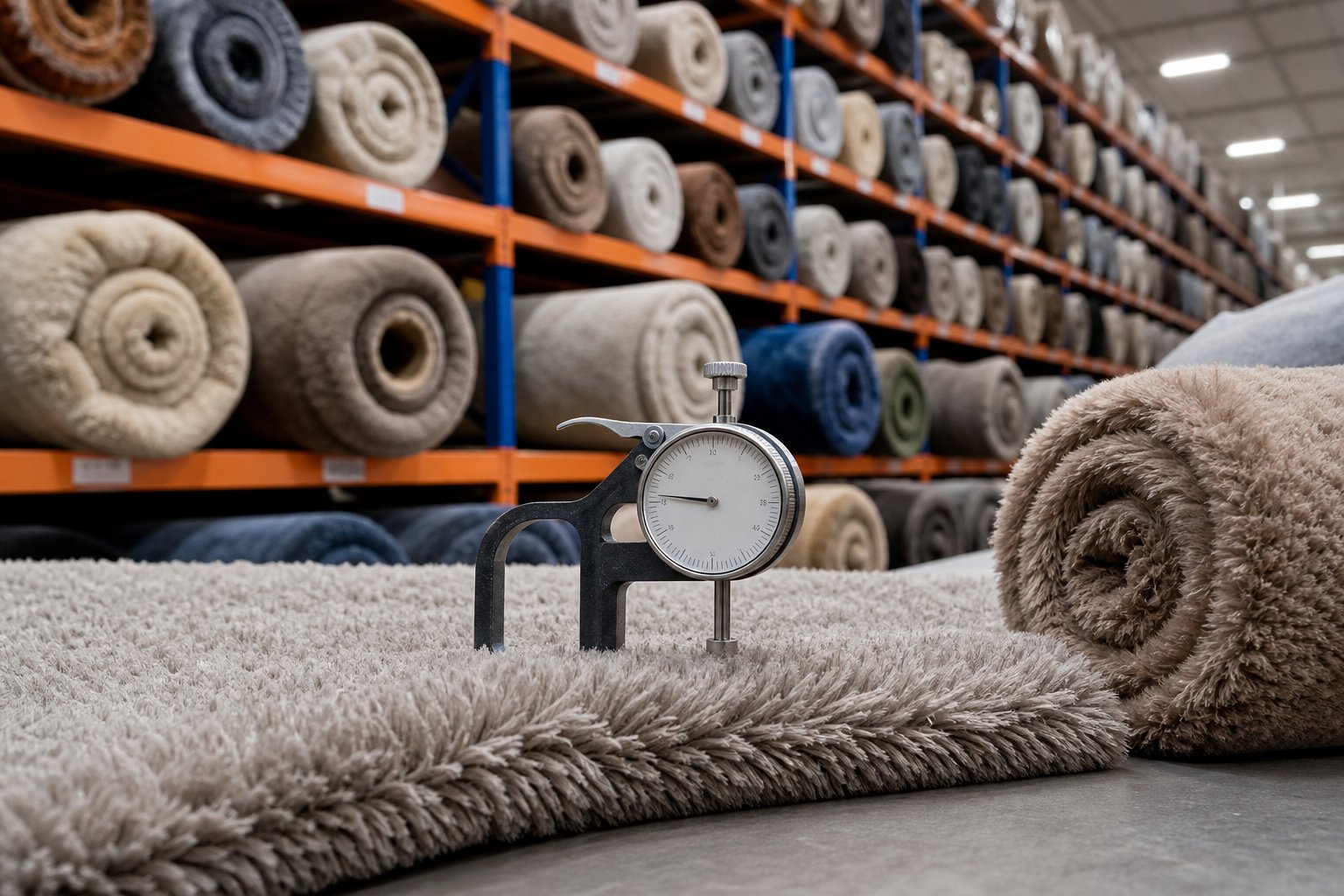
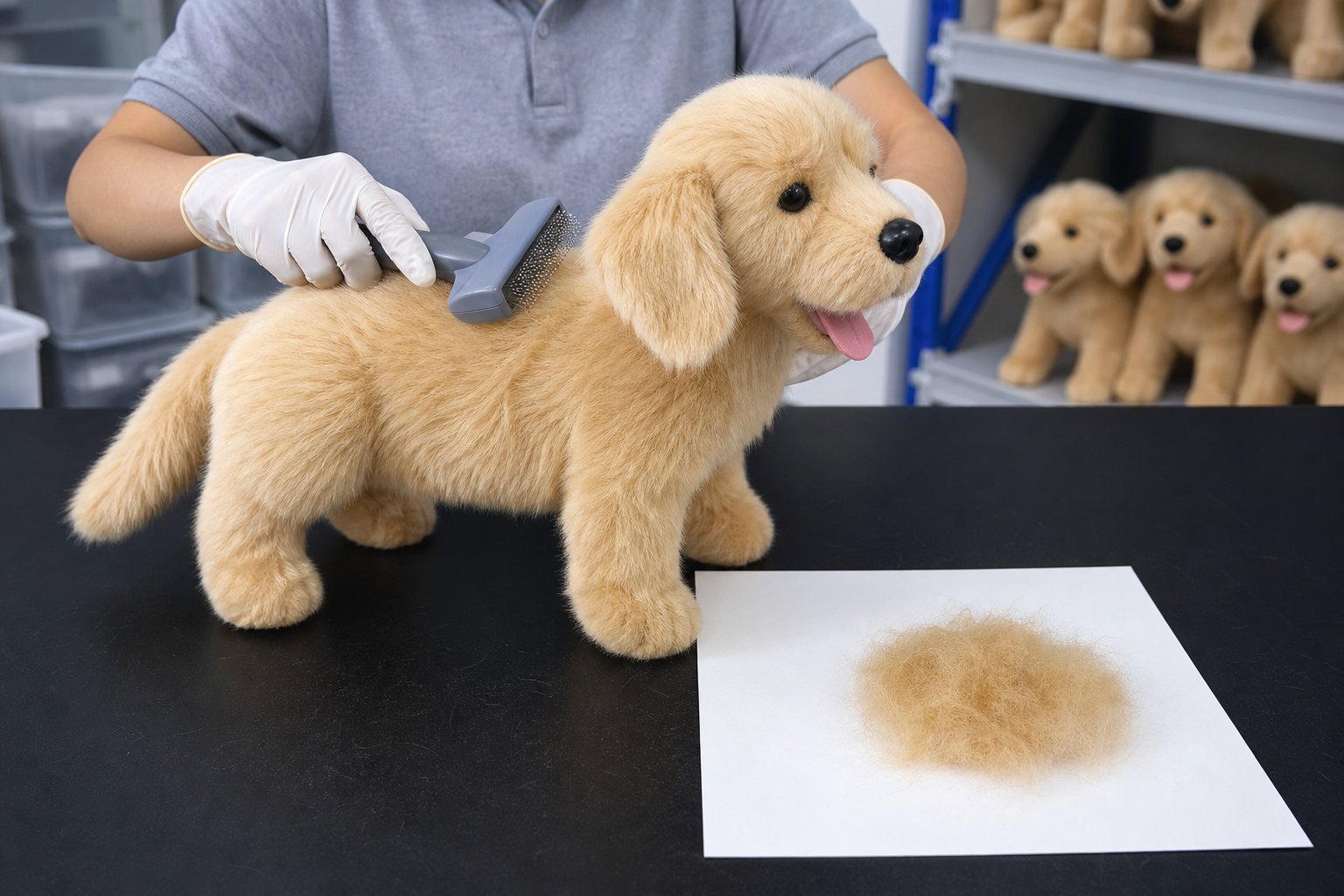
Buyers blame "the fur" for shedding, but fabric failure has a precise anatomy. A bite loads the pile in tension: loose base knits let tufts pull out at the root and the toy thins; tight knits make fibers cut or fray instead, which reads far better in reviews. Seam lines fail before faces do — a pulled seam vents stuffing and turns cosmetic damage into a safety conversation. That is why our plush QC pairs base-knit density with seam strength, and why the stuffing specification matters to fabric choice: denser fabric needs filling that can push back.
Chew damage differs by fabric in ways samples reveal: velour shows worn patches but keeps structure; PV fleece stretches first; imitation rabbit loses fiber visibly while its backing holds. None of this is "bad" — each is a different failure curve, and your listing should promise the one your fabric delivers.
Catching Weight Mislabeling Before It Ships
The countermeasure is cheap and boring, which is exactly why it works:
- Cut a 10 by 10 cm square from both the approved sample and the incoming fabric lot.
- Weigh each on a 0.1 g scale; multiply grams by 100 to get gsm — a 300 gsm fabric weighs 3 g per disc.
- Compare lot-to-lot against the golden sample, and treat a consistent shortfall as a spec violation, not a rounding difference.
- Write the check into the order: fabric weight verified per lot against the sealed sample, deviations quarantined.
Two orders in, this five-minute test has paid for itself — and it changes supplier behavior on the next quote, because the cheap lever is closed.
Matching Fabric to Price Tier
Fabric choice is a tier decision before it is a color decision. The pattern that holds up in ranges we build: entry tiers on short-pile velour or lightweight PV fleece, where cost discipline matters most; mid-market on standard-weight PV fleece with embroidered or safety-backed details; premium tiers on imitation rabbit and mixed builds — rabbit bodies, velour paws — where the long pile reads as quality in hand. Whatever the tier, larger dogs need denser backings: fabric that suits a lapdog disappoints a shepherd.
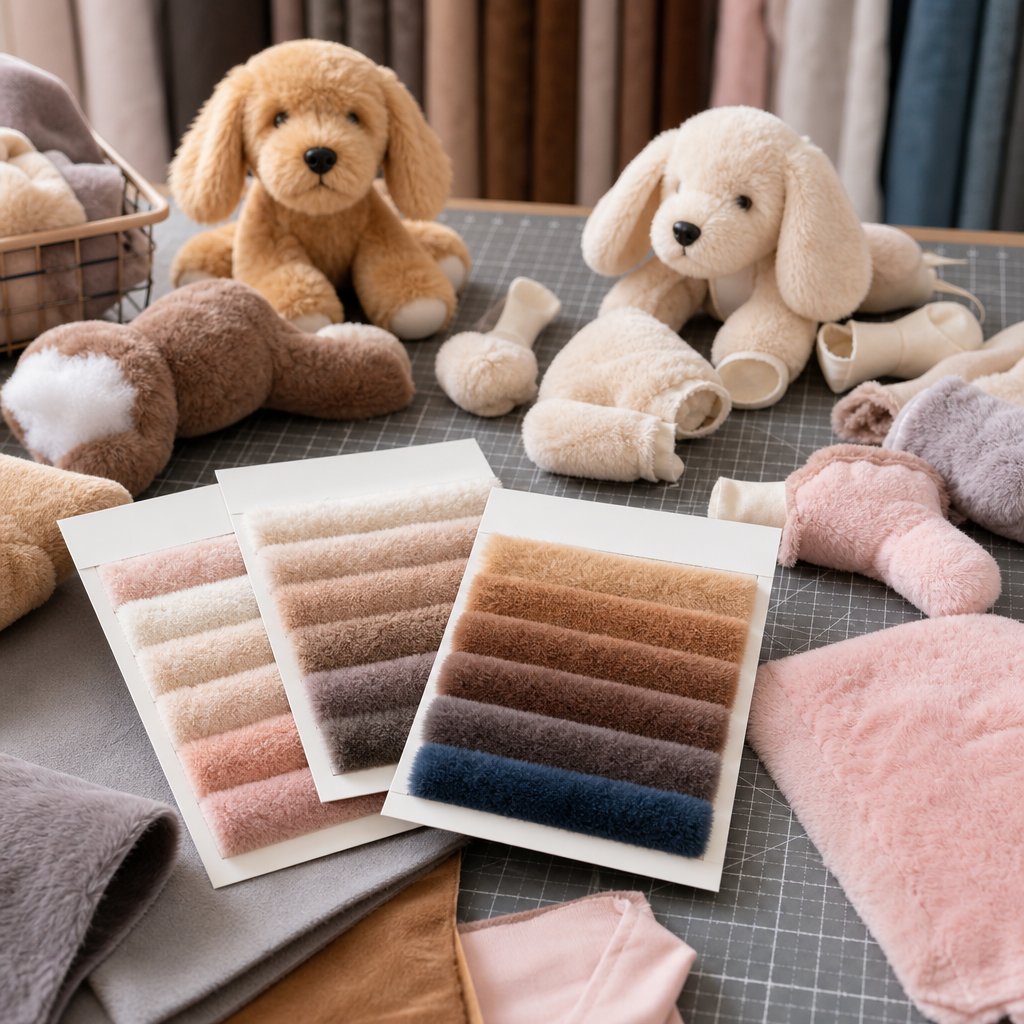
Put all three swatch cards beside your bestseller and the tiers appear at a glance — most ranges discover they are one fabric short of a clean good-better-best ladder.
Frequently Asked Questions
Which plush fabric sheds least on dog toys?
What is the difference between velour, PV fleece and imitation rabbit fur?
How do I check if a supplier mislabeled the fabric weight?
Which fabric should I use for which price tier?
Choosing fabrics for a plush range and want the ladder specified?
Send your tier plan — we return swatch options, gsm and pile specs per tier, and FOB ranges for the first order.