
Key Takeaways
- White label and private label often share factories and even molds — the difference is who owns the brand asset being built.
- White label wins on cash and speed; private label wins on differentiation and everything that compounds.
- The switch window is real but narrow: move a hero SKU when repeat purchases, reviews and available cash all agree.
- Know the MOQ tiers before choosing — stock re-badging starts far lower than custom production, and both have a place.
- Trademark before hangtags; mold ownership and exclusivity in writing before any exclusive.
Walk one factory packing floor and you can watch both business models in the same hour: plain polybagged toys sealed for a buyer who will add a logo, and boxed sets with custom hangtags for a brand that designed nothing physical yet owns everything the customer sees. White label and private label are less rivals than stages — and picking the wrong stage for the business's actual age is how brands end up overpaying for customization they cannot market, or underinvesting in the one asset that eventually matters.
This piece defines the two models as the trade actually practices them, compares cost, lead time and differentiation, explains which assets compound, and marks the signals that say a white-label operation is ready to go private.
Definitions That Actually Matter in Pet Toys
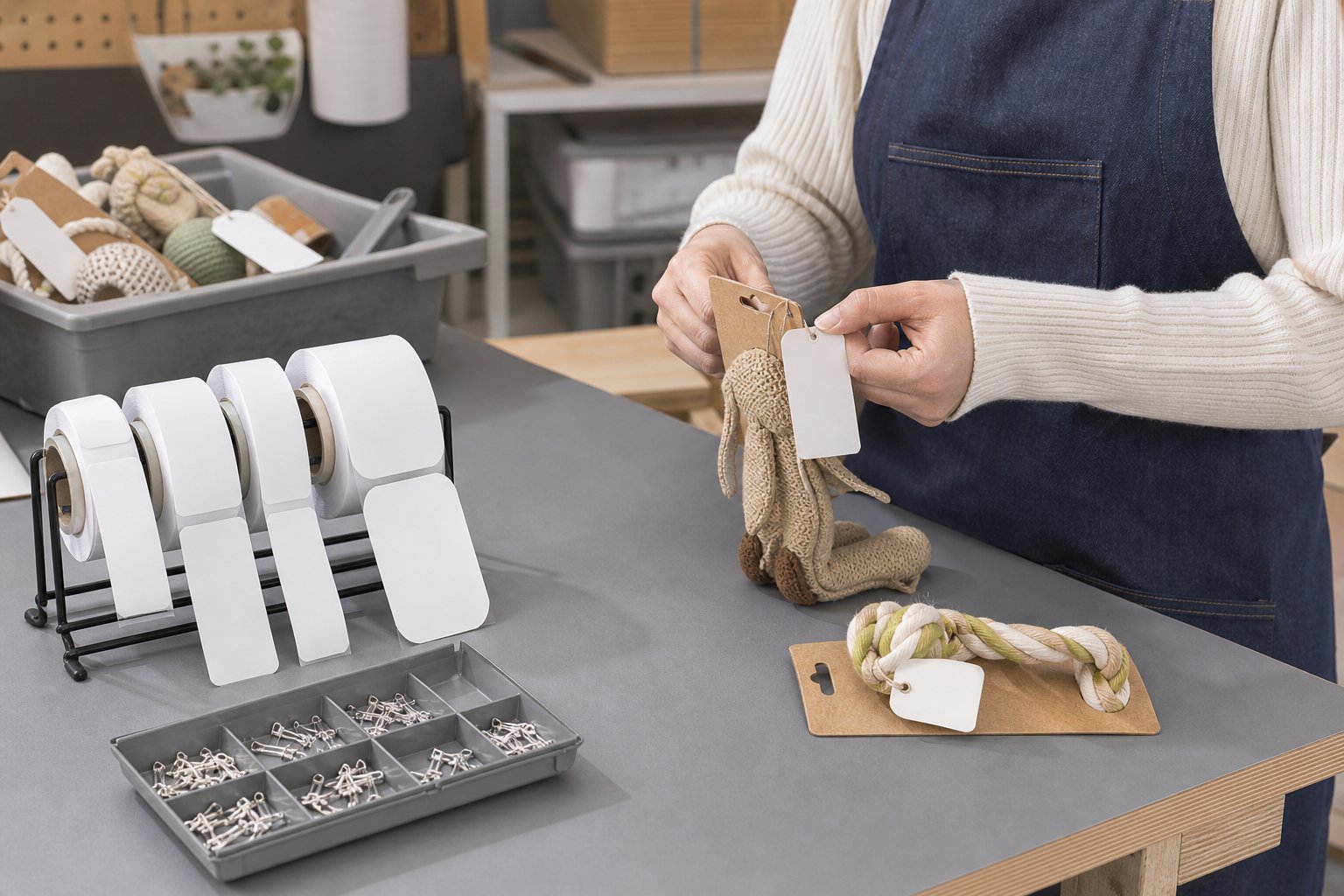
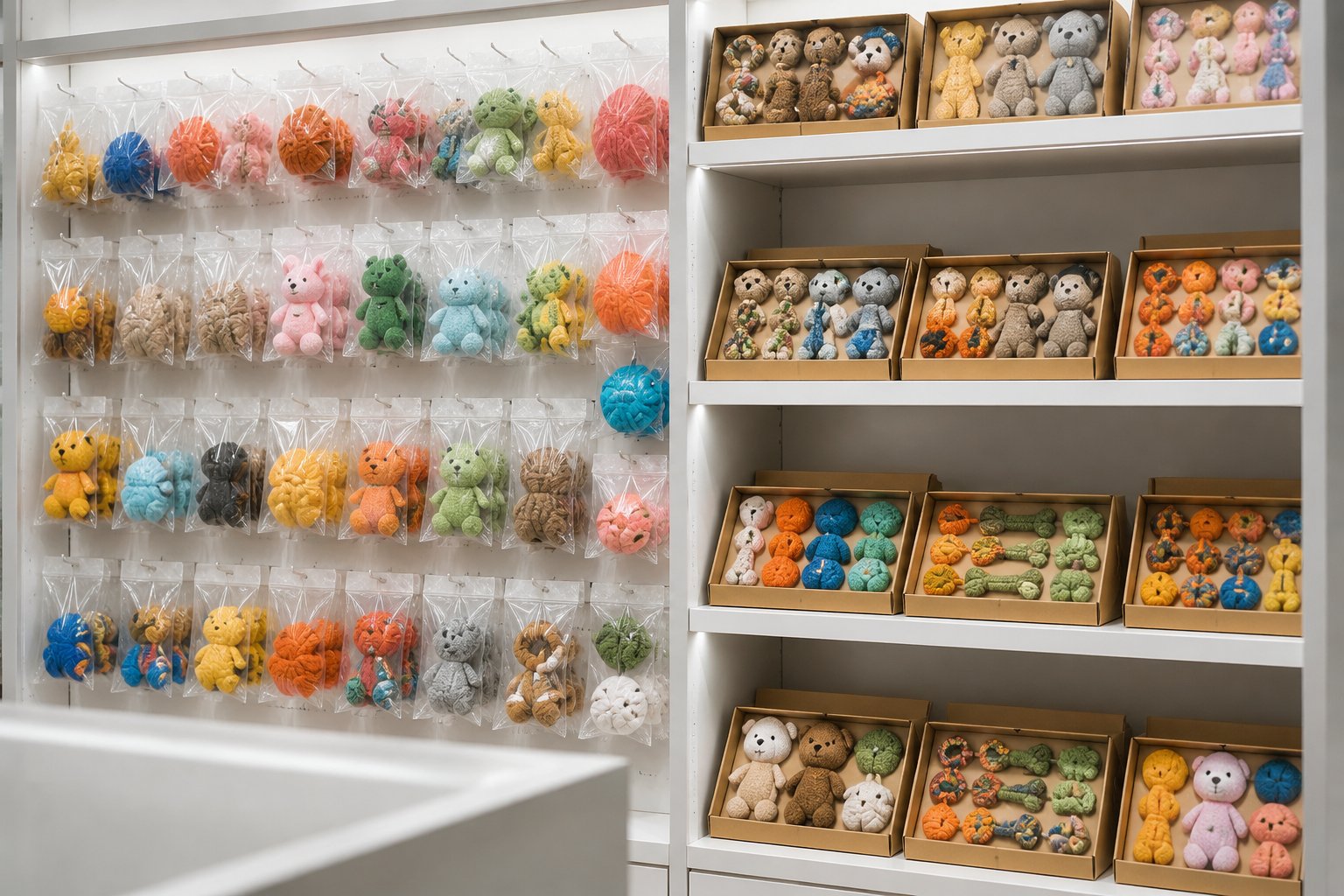
White label means stock product carrying your brand in minimal form: a hangtag, a polybag header, your logo over an existing SKU. The mold, the design and often the colorway belong to the supplier's catalog. Private label means your brand with real customization: chosen colors, custom packaging and inserts, sometimes design adjustments, eventually exclusive designs. The murky middle deserves a name of its own — a stock design in custom packaging is still mostly white label with better clothes, and knowing that prevents both overspending and false confidence.
One marketplace nuance matters more than any brochure: on shared white-label SKUs, several sellers may list near-identical pages, and the review history sits with whoever assembled it first. That single fact shapes much of the comparison below.
Cost, Lead Time and Differentiation Compared
| Dimension | White label | Private label |
|---|---|---|
| Upfront cost | Lowest: unit price plus light branding | Customization, packaging runs and higher minimums |
| Lead time | Days to weeks for stock re-badging | Weeks to months; new molds take longest |
| Differentiation | Curation and price only | Color, structure, packaging, story |
| Brand asset | A listing you share with twins | Trademark, packaging, repeat equity |
| Main risk | Commoditization and price wars | Custom stock that fails to sell |
| Fits best | Validation, first orders, cash discipline | Proven heroes with repeat demand |
The table's quiet lesson: neither column is "better." A validation stage that buys private-label tooling burns cash on differentiation nobody has asked for yet. A scaling brand that stays white label donates its demand curve to whatever twin listing undercuts it next quarter.
A concrete illustration: the same squeaky plush leaves the same production line twice. In the white-label program it ships at a stock unit price with a generic header card. In the private-label program it ships with a custom colorway, a printed box and a designed insert — at a higher unit cost, yes, but able to carry a brand story, defend a price point, and never meet its twin on a search results page.
What Actually Compounds: Brand Equity
Time treats the two models differently. Reviews attach to listings; trademarks attach to brands. A white-label operation builds velocity but rents its identity — the same SKU can reappear under another seller with your photography and a lower price. A private-label operation builds equity that banks: a registered trademark, packaging people recognize, listings only you control, and the documentation trail — authorization letters, invoices, certificates — that makes all of it defensible. Preparing that paper trail early is cheap; retrofitting it during a dispute is not. Our guide to brand registry and supplier documents lists exactly which papers to collect from the first order onward.
There is also a quiet valuation angle: brands with controlled listings and registered marks sell, license and enter retail more easily, because diligence teams can actually verify what they are buying.
The Switch Window: Signals to Go Private
The move from white label to private label is best made once, deliberately, on a hero SKU. The signals that say the window is open:
- Repeat purchases concentrate on one or two SKUs — the market has already chosen your hero for you.
- Review themes are actionable: customers ask for a size, a color or a toughness tier you cannot offer on stock product.
- Twin listings undercut you, and price is the only lever left on the shelf.
- Cash covers a custom packaging run without touching reorder capital for the rest of the range.
The first private-label move should be modest by design: your best SKU, a custom colorway or size variant, packaging worth photographing. A full-range conversion is a second decision, made later, with the first one's data.
How the Supply Relationship Changes
The factory conversation changes shape with the tier. Stock re-badging runs on small per-design minimums with a mixed floor — at our own stock tier, 200 pieces per design with a 600-piece mixed minimum, shipping in days. Customized existing designs step up to around a thousand per SKU with production measured in weeks. New-mold ODM work starts near three thousand pieces, with sampling before it — first orders in the 45-60 day range at our operation, and new-mold development running on industry-standard timelines elsewhere. The full ladder, with what each tier unlocks, sits on our OEM/ODM page, and the arithmetic of moving between quantities is unpacked in our MOQ analysis.
Two clauses change with the tier and must change with it. Confidentiality: an exclusive colorway or design is only exclusive in writing, with scope and duration. Ownership: molds and artwork belong to whoever pays, with a transfer clause if the relationship ends — a standard request that separates professional suppliers from worried ones by the speed of their answer.
Communication upgrades too: monthly purchase orders become quarterly development calendars, and the supplier joins packaging reviews and roadmap conversations that white-label buyers never hold.
Frequently Asked Questions
Can I start with white label and switch to private label later?
Does white label hurt long-term brand building?
What MOQ should I expect for private label pet toys?
Who owns the mold or design in a custom toy?
Deciding between white label and private label?
Send your stage and quantities — we reply with the tier that fits, the documents to demand and FOB ranges for each path.