Key Takeaways
- Bundles feel native in pet toys: the second toy is a convenience and the third is a gift — the value story tells itself.
- Three logics cover most needs: the starter trio, the life-stage kit and the holiday gift box. Each fails in its own specific way.
- Anchor with a deliberately premium tier; the middle bundle is the one you are actually selling.
- Bundles change logistics: volumetric weight, plush compression recovery and whole-set returns matter as much as the price tag.
- Fund the discount from real set economies — fewer picks, shared packaging, consolidated freight — not from margin theater.
Nobody has ever needed one ball. The dog needed a ball; the owner needed the walk to go smoothly; the second toy is what turns a purchase into a plan. That is why bundles and multipacks feel native in pet toys in a way they never do in, say, phone cases — and why roughly 40 percent of owners already spend on toys and enrichment, by industry survey figures cited in Grand View Research's 2025 market work. Pricing a bundle, though, is not arithmetic. It is psychology with a freight bill attached.
This piece walks the three bundle structures that work for toys, the anchoring mechanics behind a good price ladder, what sets do to returns and freight, how deep a discount can safely go, and how bundles actually get assembled at the factory.
Three Bundle Logics That Fit Pet Toys
Most successful toy sets trace back to one of three structures:
| Bundle | What goes in | The job it does | Where it fails |
|---|---|---|---|
| Starter trio | One chew, one fetch, one quiet plush or rope | Answers "what does my dog actually need" in one decision | When items contradict — a power-chewer bone beside a plush for gentle mouths |
| Life-stage kit | Puppy teething set, adult power set, senior soft set | Matches the calendar of the dog's life; invites re-purchase as the dog ages | When the age label is decoration instead of a real spec per item |
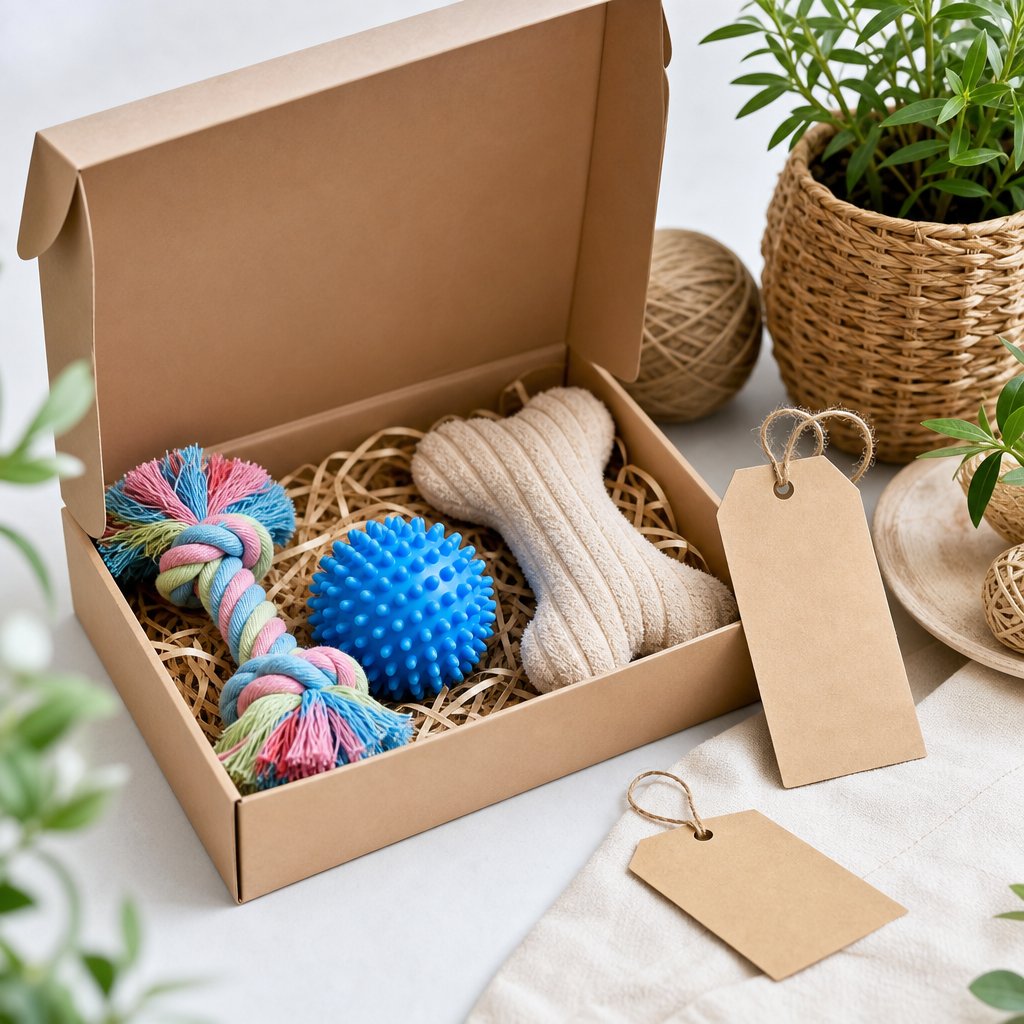
| Holiday gift box | Two to three toys plus themed packaging | Converts gifters and carries Q4 margin | When the packaging lead time is remembered too late |
The starter trio is the acquisition tool: it lowers the decision to a single yes and introduces three materials at once. The life-stage kit is the retention tool — the same customer returns when the puppy becomes an adolescent. The gift box is the margin tool, and the only one where premium packaging pays for itself. Sequencing them across a year gives a small brand four natural campaigns without inventing any.
Anchoring and the Good-Better-Best Shelf
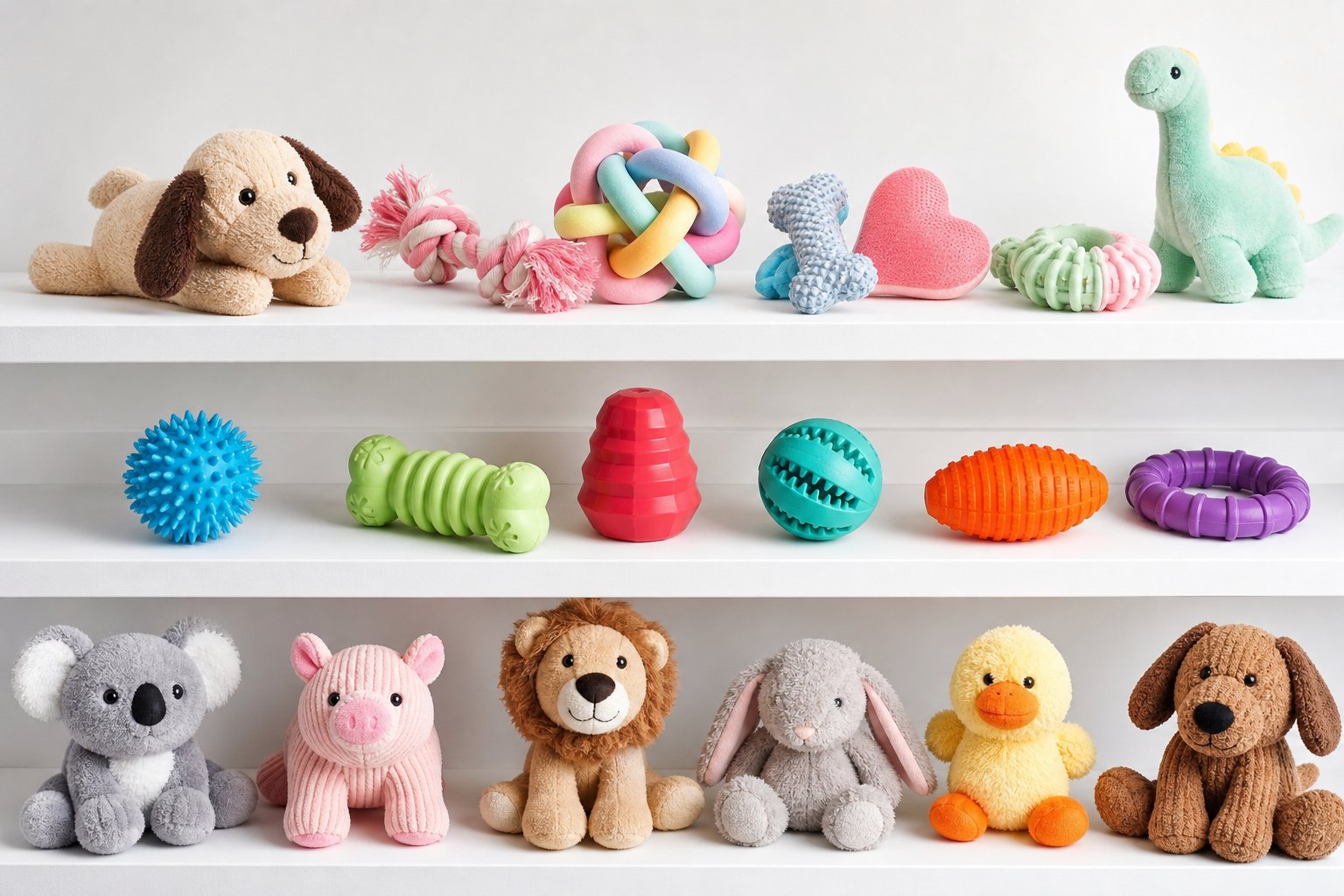
A bundle rarely sells alone; it sells against neighbors. The classic ladder is single toy, trio, gift box — and the quiet insight is that the trio is rarely the cheapest option and rarely the most expensive. It sits in the middle, flanked by a single that looks lonely and a box that looks generous. The single anchors what "a toy" costs; the box makes the trio's price feel like restraint. Pricing research has documented this middle-tier bias for decades, and pet toys reward it because the gifting frame is already in the buyer's head.
Two disciplines keep the ladder honest. First, every tier must be genuinely purchasable — a decoy nobody would ever want reads as manipulation once noticed. Second, the contents must justify the gaps: if the trio is not visibly more than three singles in a wrapper, the anchor collapses and takes the assortment's credibility with it.
What Bundling Does to Returns and Freight
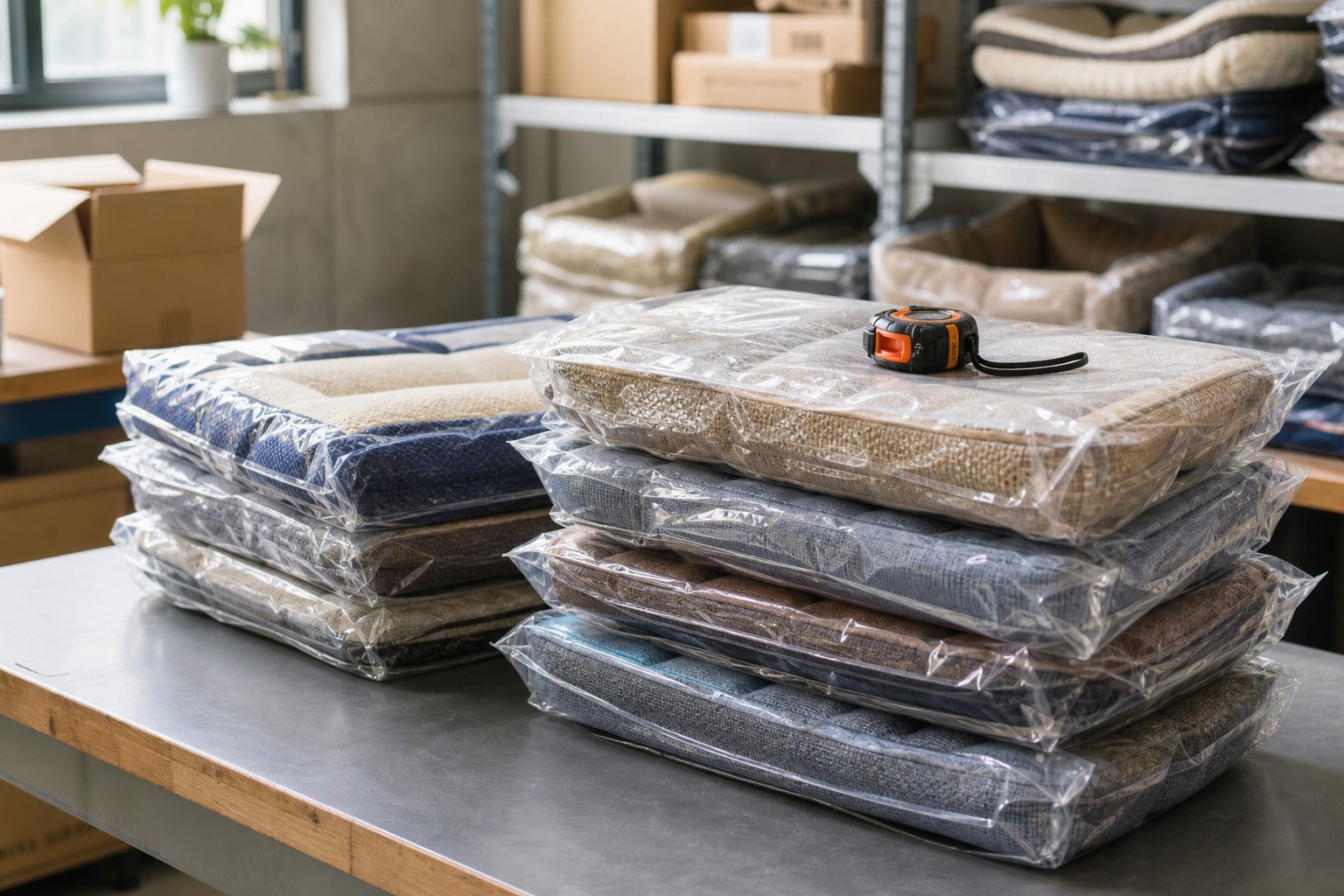
Sets are bigger, lighter-per-unit and more fragile in expectation than singles. Three effects show up on the P&L. Volumetric weight: a bulky multipack can cross a billing threshold that three shipped-separately units would not, which is why compressed packaging and carton math belong in the bundle design stage — the mechanics are in our piece on volumetric weight. Plush recovery: if the set is compressed for freight, the shelves must confirm the toys spring back before they are boxed for retail. Whole-set returns: when one item disappoints, the set comes back entire, so item-level QC on bundle contents has to be stricter than for singles, not looser.
The returns effect is also a design input. Per-item size and chew-tier labels on the packaging insert let one owner with three different dogs set expectations correctly — the single cheapest defense against the "one toy didn't fit" refund pattern described in our returns analysis.
How Deep Can the Discount Go?
The safe depth of a bundle discount equals the real economies of shipping a set: one pick instead of three, one parcel instead of three, one label, one insert. Discounting inside that envelope protects the single-unit price architecture across channels. Discounting beyond it is margin theater that customers quickly learn to wait for. Working guardrails:
- Keep the single-unit price stable everywhere; the bundle, not the single, is the lever.
- Fund set discounts from packing and freight savings you can name on a calculator.
- Prevent coupon stacking on bundles; a set discounted twice trains waiting.
- Keep the bundle as its own SKU with its own barcode, so reviews and pricing history stay clean on both sides.
- If wholesale is in the mix, check the set price against retailer margins before launching it.
Building Bundles at the Factory
Kitting at origin — the factory packs the set into its final polybag, header card or box — saves a full handling pass in your own warehouse and usually improves presentation. It also changes the order math: each component has its own minimum, and packaging items carry separate quantity floors and lead times. The practical path for testing is a stock-based program: our private-label tier takes small per-design quantities with a modest mixed-SKU minimum, which is precisely the shape of a bundle experiment — three or four existing designs, a custom header, one new barcode. How quantity moves unit economics is unpacked in our MOQ analysis.
Two production details decide whether the set feels premium: the insert card stock and the way components are fixed inside the package. Both are specified on paper before production, both are cheap, and both are the difference between a set that photographs like a gift and one that photographs like clearance. Browsing the full range with bundle eyes — which three SKUs share a size class, which share a color story — is the fastest way to shortlist candidates.
Frequently Asked Questions
How many items should a pet toy bundle contain?
Do bundles increase return rates?
How deep should the bundle discount be?
Can I kit bundles at the supplier instead of in my warehouse?
Planning a bundle line and want it priced right?
Send the SKUs and your market — we reply with kit options, packaging paths and FOB ranges per set.