Key Takeaways
- Gift guides are edited in summer for December shelves — long-lead deadlines land months before Q4 stock does.
- Editors buy novelty with proof: one hero with a story, a price tier that fits their list, photography that survives print, samples that arrive early.
- Sample budgets are marketing spend — track them like ad spend, with a shipped list, a follow-up cadence and a seasonal hit rate.
- The sample an editor photographs must equal the toy you ship; golden-sample discipline protects the feature you worked for.
- PR and production run on parallel tracks — a feature without stock is a public lesson in lost demand.
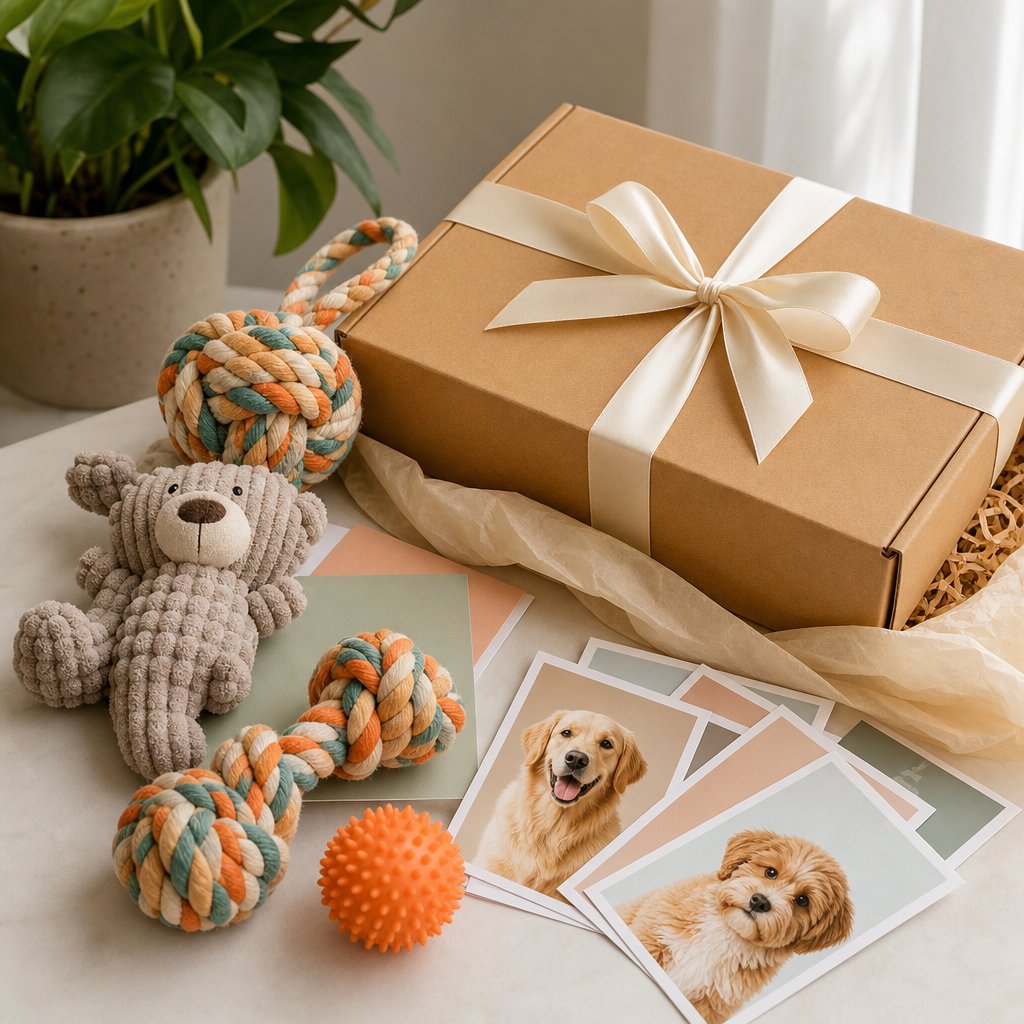
December gift guides are commissioned in June. That single scheduling fact weeds out more pet brands than any rejection letter: by the time a Q4 range exists as stock, the print editors have already closed their pages. Getting featured is not a November activity. It is a reverse-planned campaign that runs alongside production, and the brands that treat it that way collect the season's cheapest attention — a placement in a gift guide is a recommendation from someone the buyer already trusts.
The demand side is not in question. The National Retail Federation expected roughly USD 860 million of US spending on pet costumes for Halloween 2025 alone, and pet gifts have become a standing holiday category in their own right. What separates featured brands from overlooked ones is logistics: timing, samples and assets.
How Gift Guide Editors Actually Choose
A gift guide is a roundup with a constraint budget. The editor needs a spread of price tiers, a mix of pet types, and a page that photographs well as a whole. Against that backdrop, the products that make the cut tend to share four traits: a single clear hero with a one-sentence story; a price that fills a tier the list still lacks; imagery that survives both print and mobile; and a sample that arrived early enough to be played with, photographed and written about without a scramble.
Notice what is absent from that list: brand size. Editors rotate lineups every season precisely because readers tire of the same names — a fresh label with professional assets is not a charity case, it is the assignment. What small brands actually lack is usually the reverse-planned calendar, not the appeal.
Two quiet courtesies raise hit rates. Offer exclusivity windows where honest — some print titles want first crack at a hero — and keep two or three alternate SKUs warm in case the editor needs a different price tier. Flexibility, not persistence, is what editors thank brands for.
The Reverse Timeline From Shelf Date
Work backward from the week you want coverage live. For a December season, the rhythm looks like this:
| Timing | Milestone | Output |
|---|---|---|
| T-6 months | Shortlist outlets; lock the hero SKU and price tier | A media list of 20-40 names, tiered by fit |
| T-5 months | Pitch with a line sheet; confirm sample budget | First-round pitches out; samples in production |
| T-4 months | Long-lead editorial deadlines hit | Samples shipped with tracking; assets link ready |
| T-3 months | Follow-ups; short-lead digital outreach begins | Second touches done; prototypes of coverage forming |
| T-2 months | Confirmations; landing pages and stock checked | Every planned placement has a live page behind it |
| T-0 | Season converts; recap written | Hit-rate tally; relationships thanked for next year |
Two tracks run in parallel here. The PR track above, and the production track — because T-4 samples must come from stock or from a run that matches it. For the production side of the same calendar, our piece on Q4 stocking for pet gifts lays out the ordering deadlines against holiday windows.
Samples: Budget, Logistics and the Follow-Up
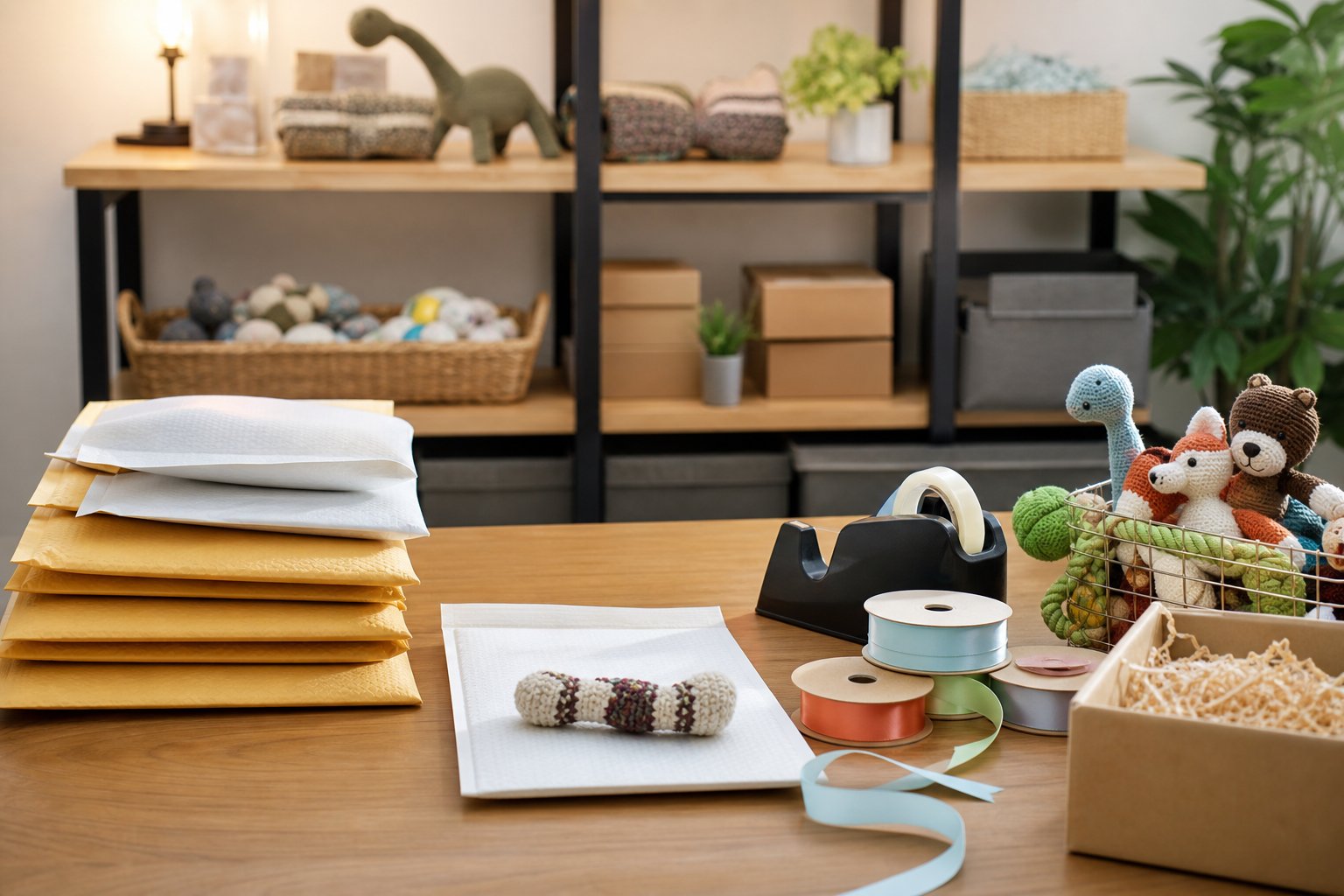
Sample budgets feel painful until they are compared with the alternative: paying for the same attention as advertising. Treat every sample as spend with an expected return, and manage the program like one. Price the program before it starts — unit cost, freight per parcel and printing for one clean insert card, multiplied by the target list — a number small enough to survive and large enough to be taken seriously. Ship with tracking, log every unit against an outlet, and set the follow-up cadence before the first box moves: seven to ten days after delivery, once, politely.
The follow-up note that gets answers is short and useful, not desperate:
- Subject with the product name and its price tier — the editor is filling slots, help them place you.
- One-sentence story: what the toy does that the guide's readers have not read yet.
- A link to hi-res images and the spec sheet, so no second email is needed.
- Availability: when it ships, where it sells, what it costs — the three facts every roundup needs.
- An offer, never a demand: more samples, alternate colors or a second SKU if the fit is off.
The Sample an Editor Photographs Must Equal the Toy You Ship
A gift guide placement is a public promise made on your behalf: readers will assume the December page and the January parcel are the same object. That makes golden-sample discipline a PR concern, not just a QC one. The sample sent to editors should be drawn from — or signed off against — the batch that production will match, with color, material and packaging frozen before the pitch goes out. The mechanics of signing and sealing that reference are in our guide to golden samples. An editor who featured your plush and later receives a paler, stiffer production run does not write a correction; they simply never open your email again.
The Assets Editors Actually Ask For
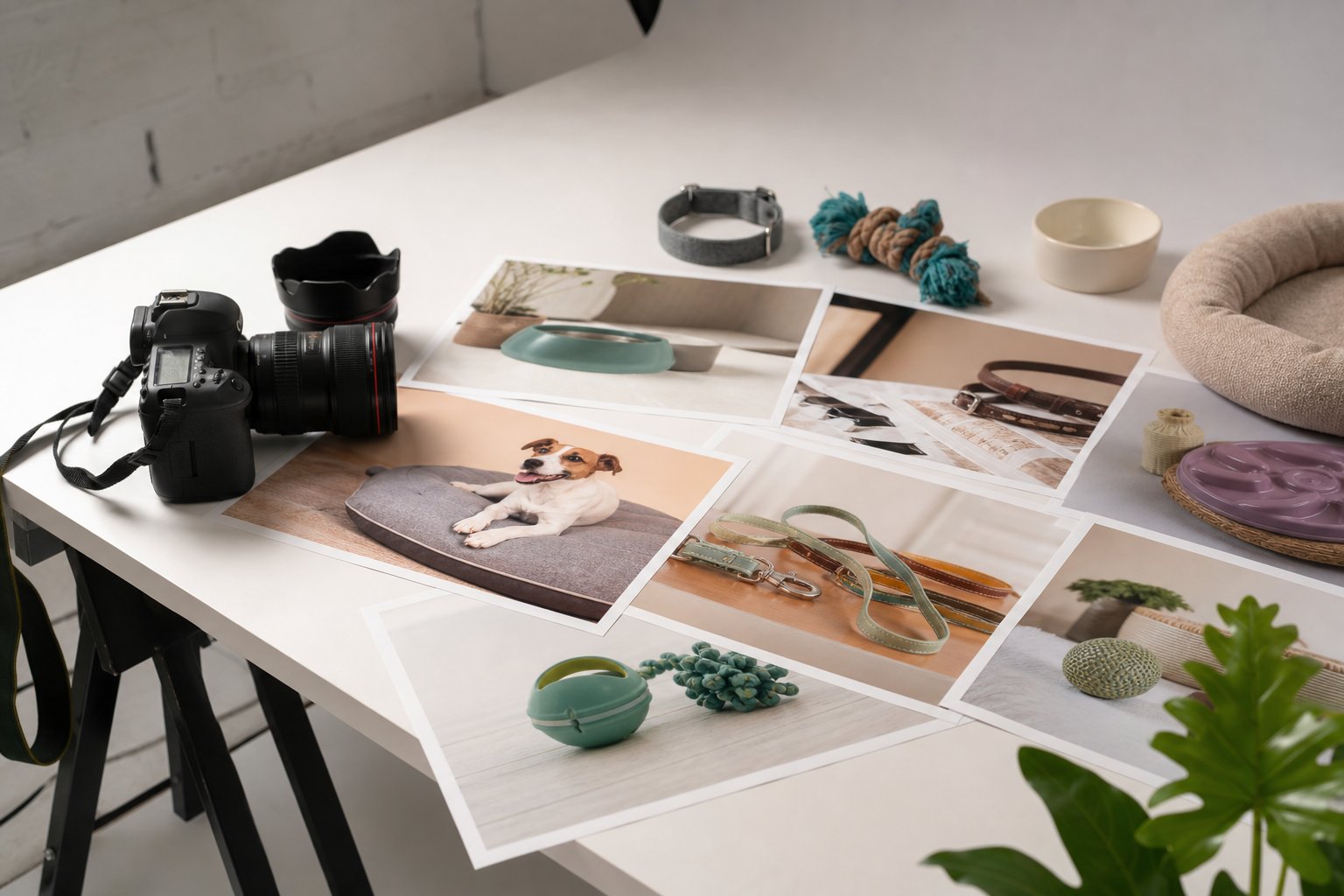
Every placement stalls on the same missing file. Assemble the press kit once, host it at one link, and the follow-ups write themselves:
- Hi-res images: clean white-background shots plus two or three lifestyle frames with seasonal light.
- A one-page spec sheet: materials, dimensions, weight range, chew tier, care notes.
- Price and availability: MSRP, ship date, where the toy is sold.
- A one-line brand paragraph written to be lifted verbatim into a roundup.
- A contact who answers inside a day during deadline weeks — that person is the program.
How the same positioning flexes between consumer press and trade buyers is its own craft; our channel programs page shows the range repackaged for each audience, and the same instinct behind it powers a good press kit.
Frequently Asked Questions
When do editors start planning holiday gift guides?
How many samples should a small brand send?
What if the product will not be production-ready by the deadline?
Do small brands actually get featured?
Planning a Q4 hero that must land before the pitch?
Send your timeline — we reply with sampling schedules, stock options and FOB ranges aligned to your PR calendar.