Key Takeaways
- A screen can shortlist suppliers; only a trip shows you process truth, responsiveness and who will rescue your order in peak season.
- The efficient route is a loop: Yiwu for market breadth, Yangzhou for plush, Pingyang for rope and chew heritage, Chenghai for plastic and tooling.
- Two factories a day, mornings on the line, afternoons on terms — the pace is a discipline, not a suggestion.
- Bring the documents that make visits comparable: spec book, reference samples, quality agreement draft, test report templates.
- The trip is won in the follow-up week: recap within 48 hours, compare on documents, and give a small pilot to the shortlist.
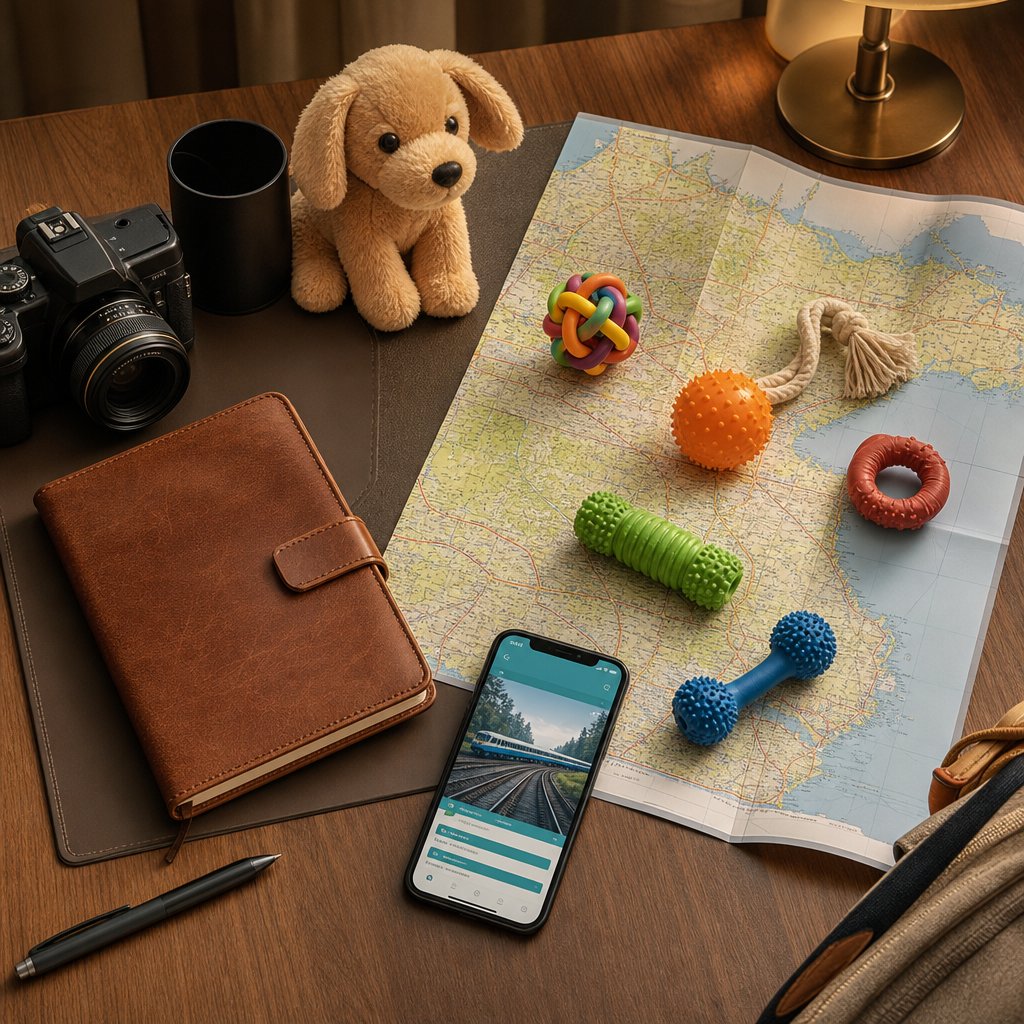
A screen can shortlist. It cannot show you whether the rubber line smells like a well-run workshop at nine in the morning, whether the sample room's corkboard holds dozens of finished programs or three, or whether the sales manager who answers your emails can actually walk you to the machine that would cut your mold. Seven days on the ground in the belts reorders a vendor map in ways no email round ever has. The trick is spending those seven days on purpose.
What the Trip Is For — and What It Is Not
Go to verify process and people: cutting, sewing, molding, QC benches, needle detection, warehouses, and the specific individuals who would own your program. Go to calibrate responsiveness — the difference between a factory that reshuffles its afternoon to show you the line and one that marches you through a showroom is worth more than any certificate. And go because a face-to-face relationship is the asset that gets your container loaded ahead of a queue in October.
Do not go to negotiate final prices on day one, and do not go to be entertained. Factories are workplaces; the best hosts will keep the ceremony short and put you on the floor.
The Seven-Day Route
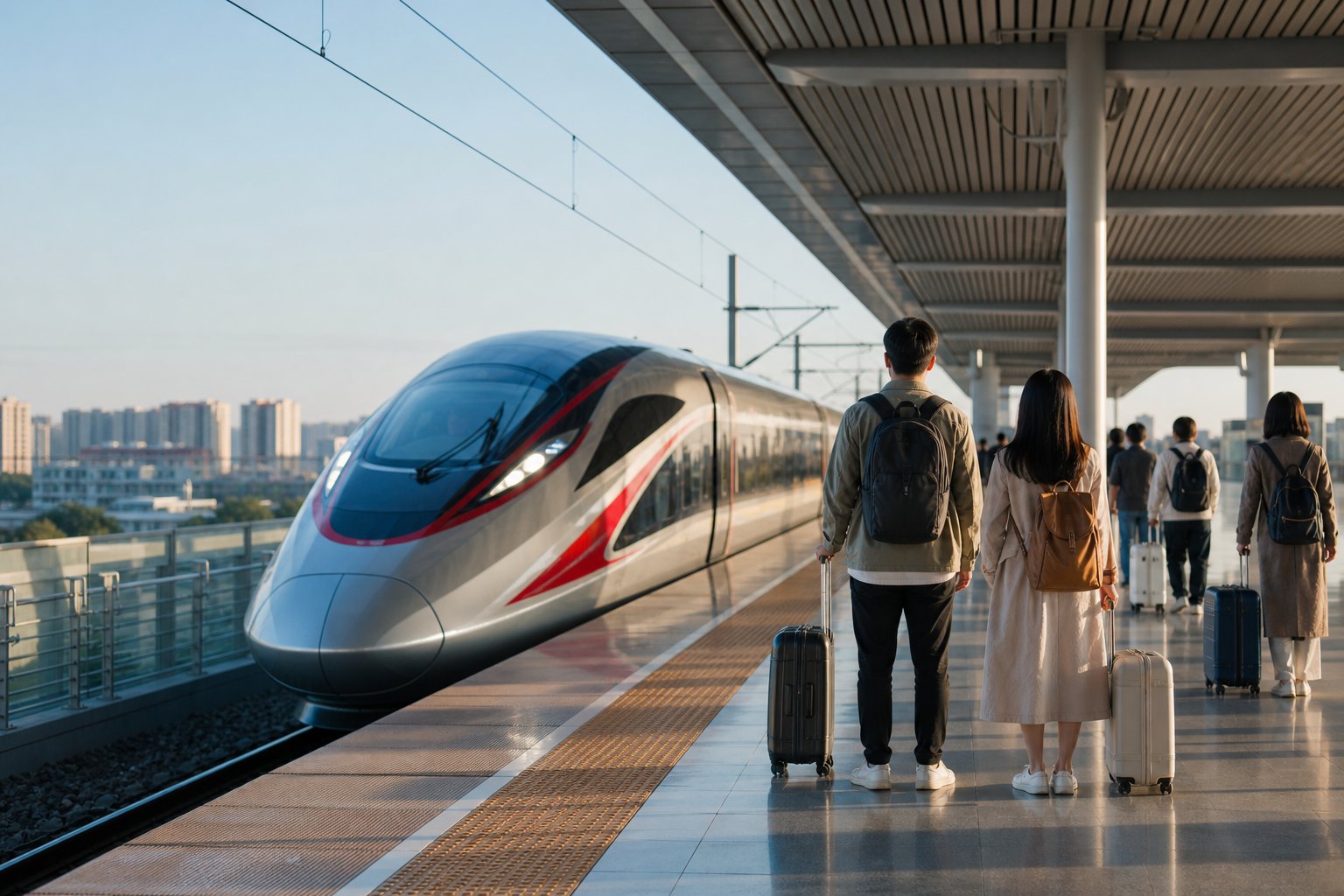
The loop below assumes flying into the region and using the high-speed rail spine between the belts. Adjust the order to your category mix; the principle is to see the market first, factories second, and to end where your plastic or tooling questions live.
| Day | Base | Focus and moves |
|---|---|---|
| 1 | Yiwu | International Trade Market pet zone — walk the rows, log stall-to-factory relationships, note street prices for your shortlist items |
| 2 | Yiwu | Two or three stock-and-consolidation suppliers; afternoon at the hub warehouses to watch packing, relabeling and carton builds |
| 3 | To Yangzhou | Half day of rail north; evening walk of the plush market district to see fabric and trim rows while shops are open |
| 4 | Yangzhou | Two plush factories: cutting and spreading in the morning, sampling room and QC bench in the afternoon |
| 5 | Yangzhou, then south | Morning visit to a third plush or mixed-material plant; afternoon rail toward Wenzhou for the chew-and-rope belt |
| 6 | Pingyang (Wenzhou) | Two rope, leash or chew-adjacent suppliers; ask specifically about their chew-export compliance discipline |
| 7 | Chenghai or wrap-up | Short morning flight east to the Shantou area for one mold-owning plastic plant, or a follow-up day in Wenzhou if plastic is not your category; fly out evening |
If your assortment is plush-heavy, give Yangzhou a second day and treat Chenghai as a future trip. If it is TPR and vinyl heavy, reverse the logic. The map serves the SKUs, never the reverse.
Daily Rules That Keep the Week Honest
- Two factories a day, three at most. Beyond that you stop comparing factories and start comparing lobbies. Leave slack for the unplanned discovery.
- Lines in the morning. Production is live, operators are at station, and yesterday's output is on the QC bench. Showrooms keep; floors do not.
- Ask to deviate from the tour route. A polite "could we pass by the warehouse on the way out" tells you more than the prepared presentation ever will.
- Log each visit the same evening. Photos of lines and benches, names, machine counts, honest impressions. Memory is a poor filing system by day four.
- Watch the calendar. Avoid the weeks around Chinese New Year and the October crunch; late spring and early autumn give you real time with real people.
What to Bring
- A spec book. One page per target SKU: materials with grades, sizes, packaging, target FOB range. It turns a chat into a quotation.
- Reference samples. A benchmark toy whose quality bar you can hold in your hand beats adjectives in any language.
- Paper. Mutual NDA, a draft quality agreement with AQL terms, and a test report template listing what you will eventually ask for.
- A bilingual host. Sales floors have English; machine floors often do not. Translation is cheapest at the moment of specification.
- Half an empty suitcase. Counter samples are the trip's cheapest tuition, and you will collect more than you expect.
After the Trip: The Follow-Up Week
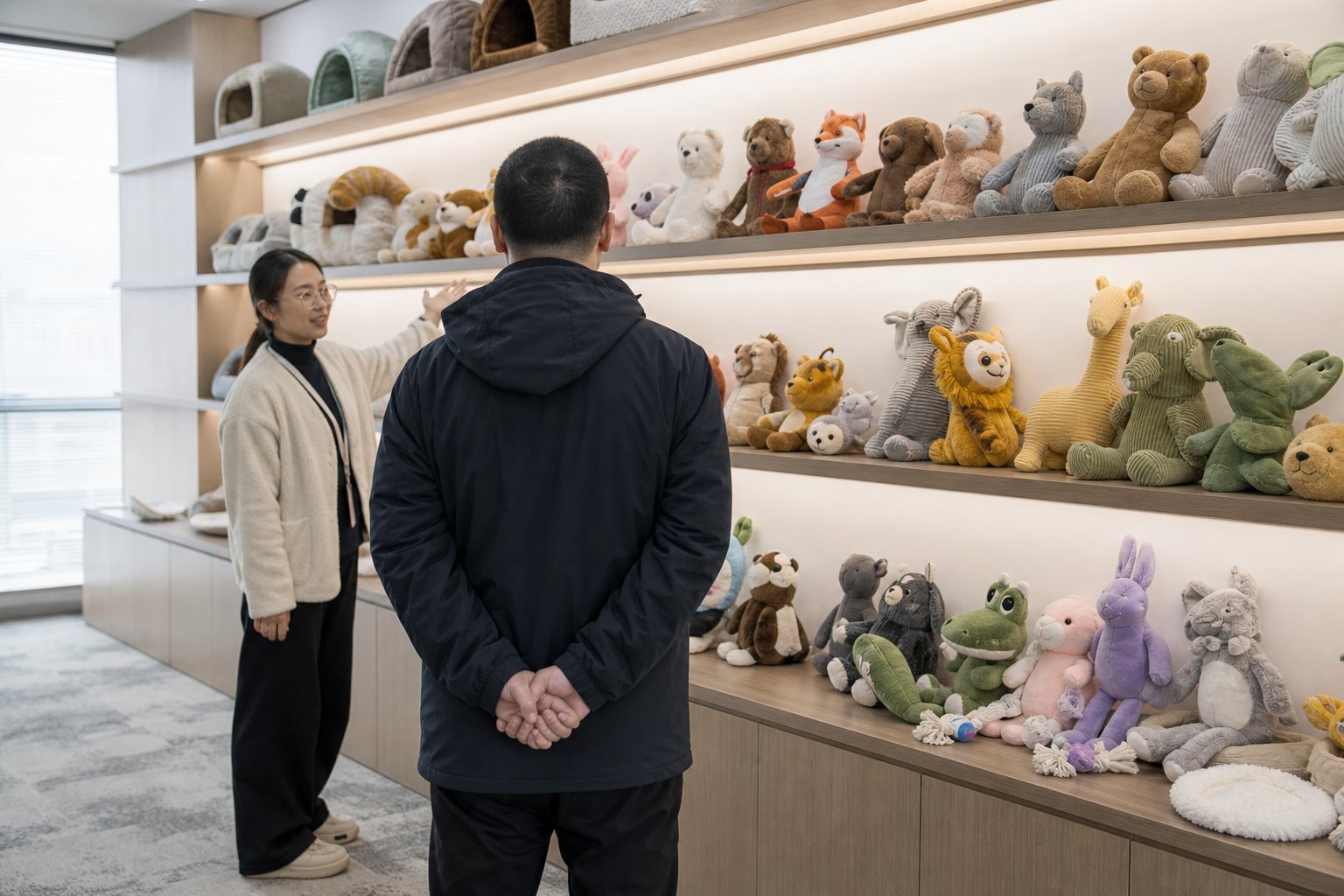
The itinerary ends at the airport; the work continues for seven more days. Within 48 hours, send each host a short recap — what you saw, what you liked, what remains open. It locks in the impressions while they are fresh and signals that you are a buyer who closes loops. Then compare candidates on documents, not memories: sampling terms, revision pricing, capacity windows, quality agreements. Request samples from the top three, with your spec book attached so the samples are comparable. Give one or two factories a small pilot — private label over stock is the cheapest honest test there is. And book the next touchpoint before enthusiasm fades: a tooling review, a QC walk during the pilot, or a video call against the first article.
Our city map explains what each stop specializes in, and the Yiwu guide details how market rows and agents work. If you would rather have the route hosted, our team arranges factory days across the two bases for serious programs.
Frequently Asked Questions
How many factories can I realistically visit in one day?
When is the worst time to plan a belt trip?
Do I need a translator or a buying agent for the trip?
Should I tell factories I am also visiting their competitors?
Planning your own loop through the belts?
Tell us your dates and category mix — we will help sequence the stops and arrange factory days at our Yangzhou and Yiwu bases.