Key Takeaways
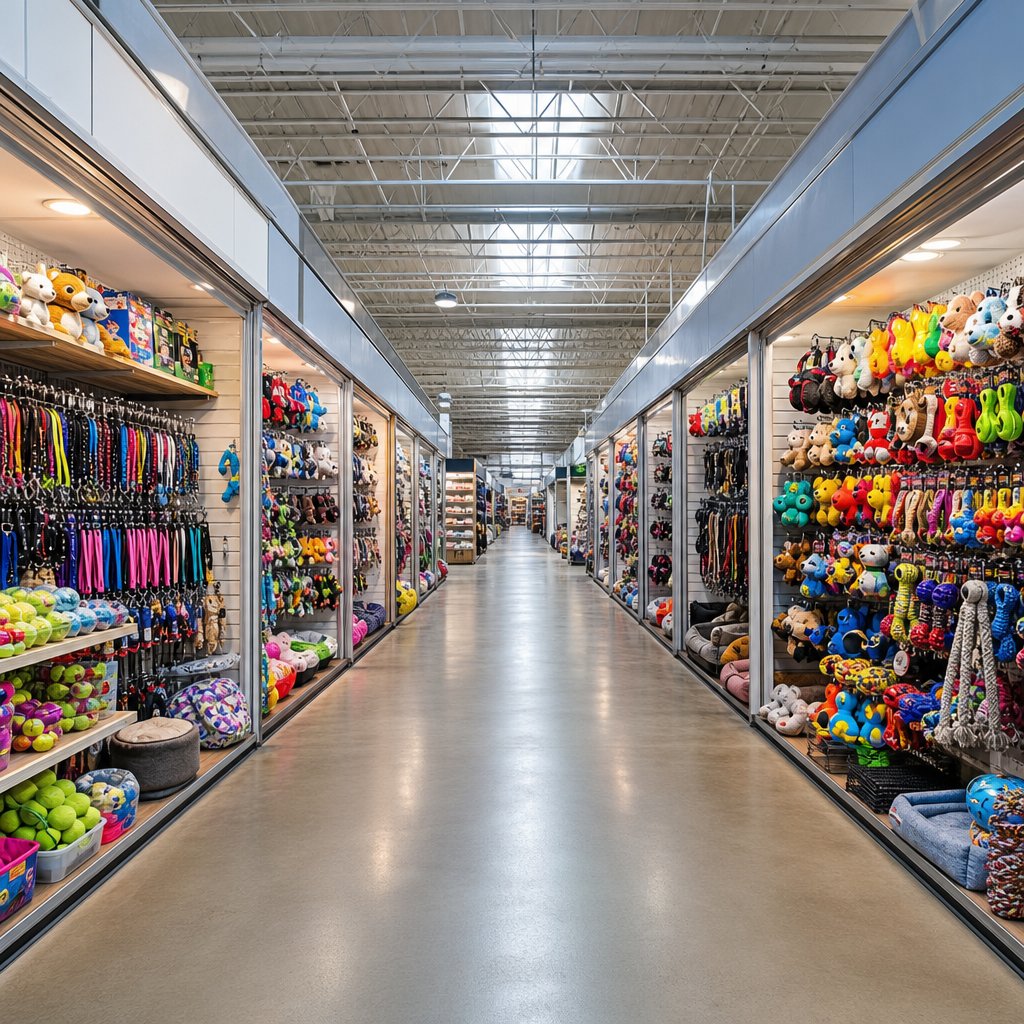
- Yiwu's pet chain spans 10,000-plus linked enterprises with annual exports above RMB 3 billion; the trade city's District 5 pet zone covers 8,000 square meters and 30,000-plus items.
- The market rewards a plan: walk by zone, triage samples the same evening, separate traders from factories in the first conversation.
- Agents earn their fee on follow-up, QC and consolidation — translation alone never justifies one.
- Consolidation risk lives in labeling errors and quiet substitutions; receiving photos, seals and pre-closing inspection are the controls.
- For dropship and small-lot models, Yiwu fulfillment is the practical bridge between market goods and end customers.
The first morning in Yiwu's International Trade City teaches a lesson no guidebook quite manages: the pet zone is not big — it is deep. One aisle of District 5 carries more dog toy variants than a national trade show, and behind each booth sits another layer of workshops the booth itself may or may not own. Buyers who treat the market as a factory directory get it wrong; buyers who treat it as an index — a searchable surface over thousands of producers — get exactly what it was built to give.
This guide covers the market in working terms: why Yiwu exists in the pet supply chain, how to walk it without burning days, how to read whether you are talking to a booth, a workshop or a factory, when an agent earns their fee, and how consolidation shipping actually goes — including the failure modes nobody photographs. Our own fulfillment hub sits in Yiwu, so these are also the lanes we run daily.
Why Yiwu Sits in the Pet Chain
The official-scale numbers explain the gravity. Per local official media reporting in 2025, enterprises linked to the pet industry chain in Yiwu number more than 10,000, with annual exports above RMB 3 billion. Inside the International Trade City, the District 5 pet products zone spans 8,000 square meters and carries more than 30,000 individual items — a fixed caliber worth memorizing, because it is the one figure that keeps its meaning across sources.
The structural logic is aggregation. A workshop that cannot fill a container alone sells through a booth; a booth aggregates dozens of workshops into one shoppable front; the market aggregates thousands of booths into one address a buyer can fly to. What the buyer gains is breadth with small minimums; what the buyer accepts is a margin layer and variable transparency about who actually makes what.
Walking the Market Without Wasting Days
Unplanned, the market eats a week and returns confusion. Planned, two days produce a working shortlist. The routine that works:
- Anchor on District 5 and walk its pet zone first; note booth numbers of anything worth a second look.
- Use two passes: a fast scan pass for breadth and display quality, then a sample-handling pass only on the shortlist.
- Photograph each booth card with its number and match samples to booths the same day — memory starts lying around day three.
- Record MOQ and terms per item as you go, not from recollection at the hotel.
- Buy physical samples of finalists on the spot; the cost is trivial insurance against recall errors.
- Triage every evening: keep, kill, or pending — and book follow-up conversations before leaving the building.
One habit separates professionals from tourists: asking, in the first conversation, whether the booth produces or aggregates. The answer reshapes everything else — minimums, lead times, who is accountable when a batch disappoints.
Booth, Workshop or Factory?
Three different businesses present themselves through the same market front. Read them before you negotiate:
| What you are talking to | How it presents | MOQ behavior | Main risk |
|---|---|---|---|
| Market booth (trader) | Huge range, instant samples, several categories at once | Aggregates small orders across workshops | Adds a margin; quality control is outsourced by definition |
| Workshop behind a booth | One strong category, willing to semi-customize | Moderate minimums, faster sampling | Capacity dips at peak; range is narrow |
| Factory with a market showroom | Production photos, tooling talk, quotes that take a day | Higher minimums, better unit economics | Slower responses; less patience for tiny orders |
None of the three is "best." A trader is the right counterparty for a 300-piece assortment test; a factory is the right one for a 3,000-piece custom program. Trouble starts when a buyer applies factory expectations to a trader's quote or trader expectations to a factory's schedule. The full trade-off is quantified in our factory-direct versus Yiwu market comparison.
When Agents Earn Their Fee
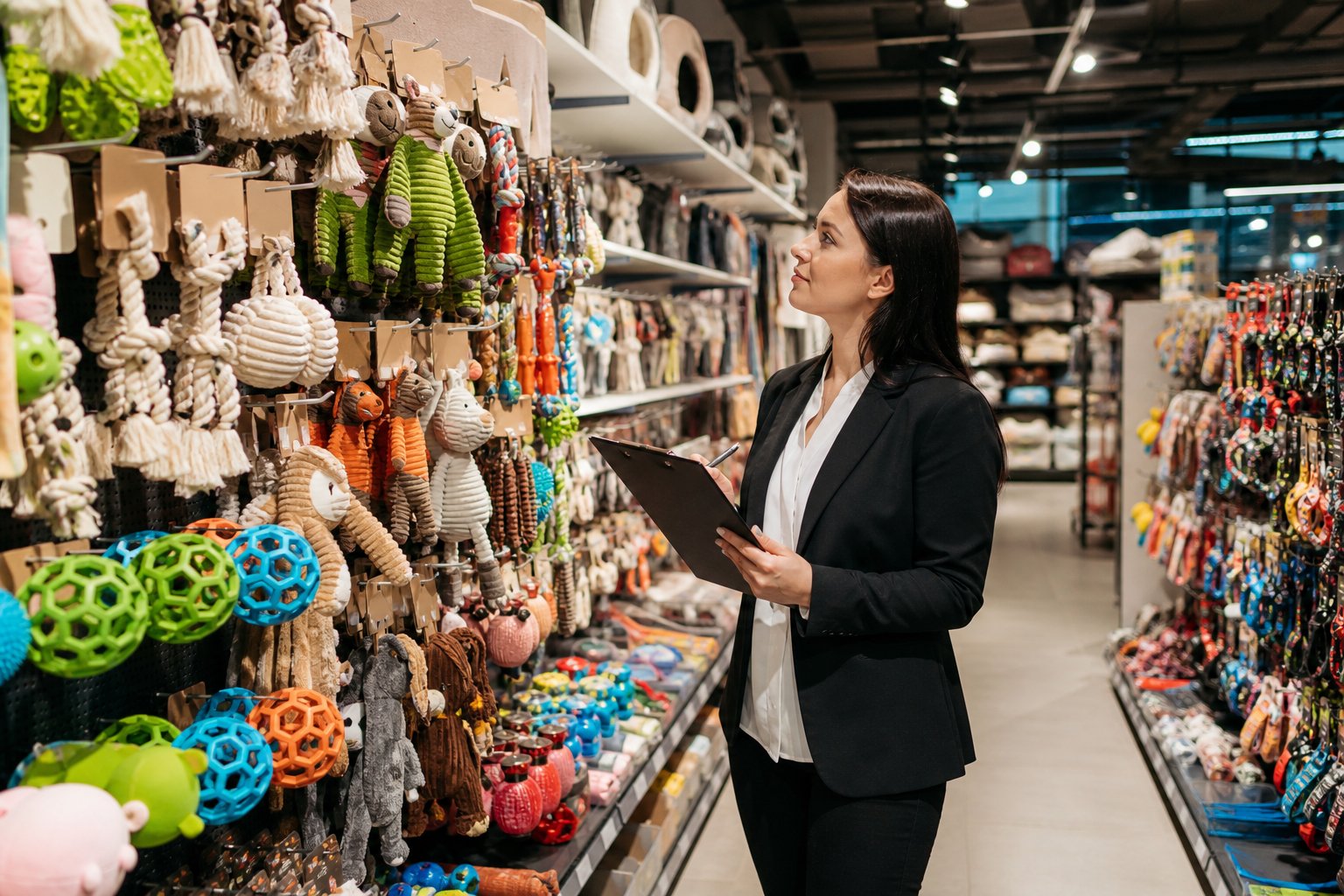
Translation is the least of what a Yiwu agent does, and alone it never justifies the cost. The fee is earned on three jobs that are expensive to do remotely: follow-up — chasing five workshops so your order does not drift behind someone's cousin's; in-market QC — checking goods against the approved samples while there is still time to fix them; and consolidation — turning thirty parcels into one compliant container. Fee structures vary, commonly a modest percentage of order value plus fixed items for inspection and paperwork; what matters is matching the scope to the risk, not minimizing the percentage.
The decision rule we suggest: an agent earns their place when the number of suppliers times the number of shipments exceeds your ability to supervise both. One known supplier, one repeat order — go direct. Eight suppliers, one mixed container, first season — that is agent territory. For a fuller view of the costs on both paths, our total-cost comparison of the two routes keeps the arithmetic honest.
Consolidation and What Can Go Wrong
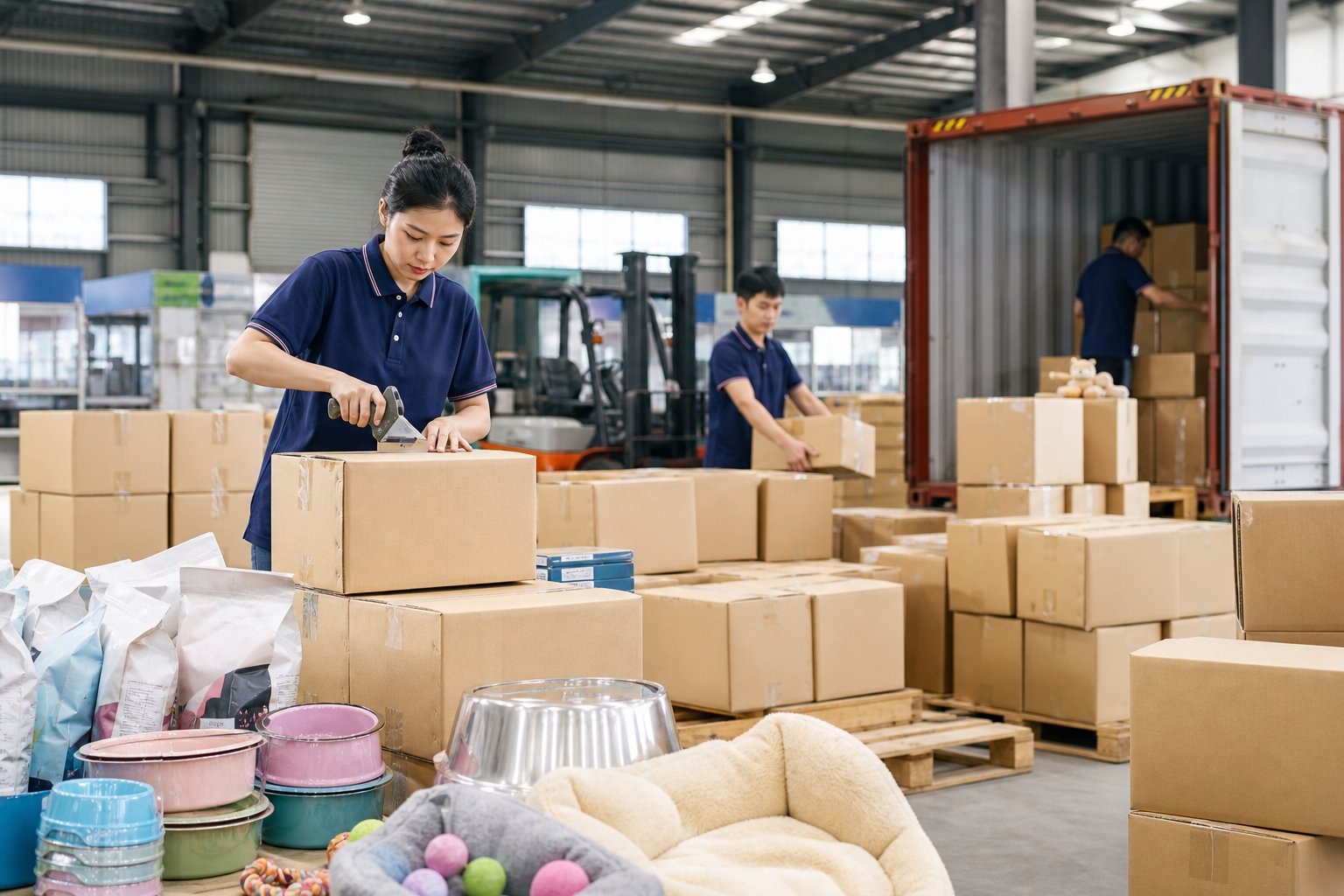
Consolidation is where market purchases become a shipment — and where most of the avoidable losses happen. Goods from many suppliers arrive at a warehouse, are matched against the approved list, labeled, palletized and stuffed into one container. The classic failure modes are unglamorous: a carton labeled for the wrong SKU, a workshop substituting a cheaper variant for the approved sample, or grade drift between what was checked and what was packed after you left.
The controls are procedural, not heroic. Photo records at receiving; carton seals with numbers logged on the packing list; an inspection against a written standard — the consumer-products AQL convention of Critical 0 / Major 2.5 / Minor 4.0 works — before the container closes; and a packing plan that a third party can execute without interpreting intent. Our own Yiwu operation runs exactly this loop, and extends it into fulfillment: the dropship program picks, labels and quality-checks each outbound parcel from the same warehouse that consolidates wholesale containers. How dozens of SKUs share one container is covered step by step in our mixed-container guide.
Frequently Asked Questions
Is Yiwu a good place to buy pet toys?
Do I need a buying agent in Yiwu?
What is the difference between Yiwu market goods and factory-direct?
How does consolidation shipping from Yiwu work?
Want market breadth without market risk?
Send your category list — we quote FOB ranges from our stock lines and arrange Yiwu consolidation with inspection records for everything else.