Key Takeaways
- Three squeaker families dominate: flat reed units, dome ("gourd") squeakers and electronic sound modules — different sounds, different prices, different failure modes.
- The classic "dead squeaker" is a bent or gummed reed — normal wear — while the serious failure is the unit escaping the toy, which is decided by fixing method.
- Louder is not better: loudness class should be agreed against a physical reference sample, matched to dog size and household reality.
- Adhesive-only fixing is the cheapest and the weakest; sewn pockets, or glue plus pocket, are the dog-grade standard.
- Four order fields prevent nearly every squeaker dispute: type and size, loudness class, fixing method with pull force, and an inspection-stage mute-rate check.
The first complaint about a plush dog toy is almost never the fabric. It is the silence. A squeaker dies, and a dog that spent three weeks announcing every pounce loses interest — or worse, works the toy over until the dead unit becomes a loose part. In category after category, the squeaker is both the soul of the product and the component buyers specify least precisely. "With squeaker" is not a specification; it is a hope.
This guide makes the smallest component in the toy legible: the three squeaker families and how they sound, why they fail, how they are fixed inside the shell, and the exact fields to write into an order so batch two squeaks like batch one.
Three Families: Reed, Dome and Electronic
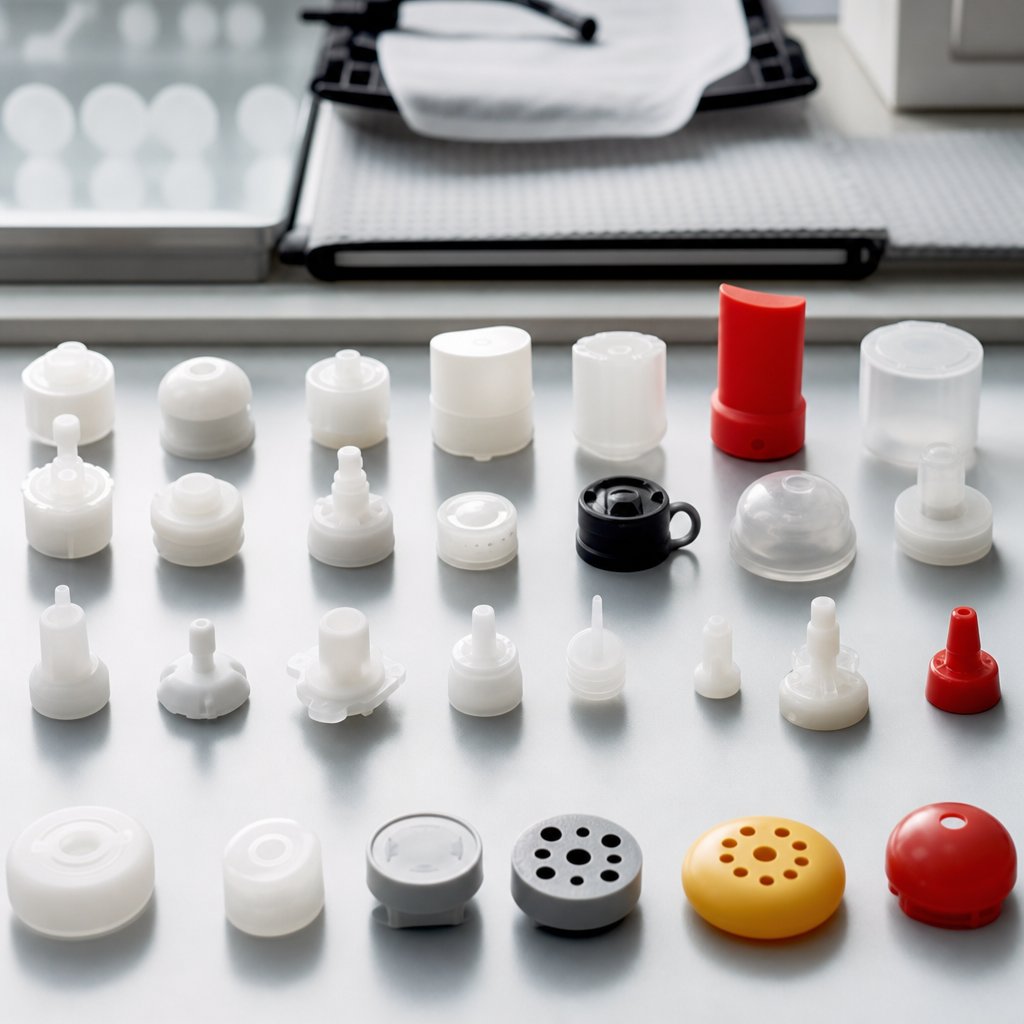
Flat reed squeakers — the thin plastic units often called bar whistles — are the entry workhorse. A flexible reed vibrates as air is forced through the channel, producing a sharp, high-pitched squeak. They are cheap, slim enough for flat toys, and structurally fragile: the same thin reed that makes the sound is the part a bite can bend silent.
Dome squeakers — the rounded "gourd" units — house a wider reed flap inside a domed housing. The sound is deeper and rounder, the housing tolerates compression better, and the larger diameter suits plush bodies with real stuffing. Most premium squeaky plush lines standardize on domes for exactly these reasons.
Electronic modules add recorded or synthesized sounds — grunts, chirps, heartbeat loops — triggered by push or motion. They open premium price points and content-led marketing, and they bring their own engineering: battery contacts, water ingress and a switch that must survive paws. They are a different product category wearing the same fur, and they deserve their own durability conversation before they enter a range.
Loudness: Louder Is Not Better
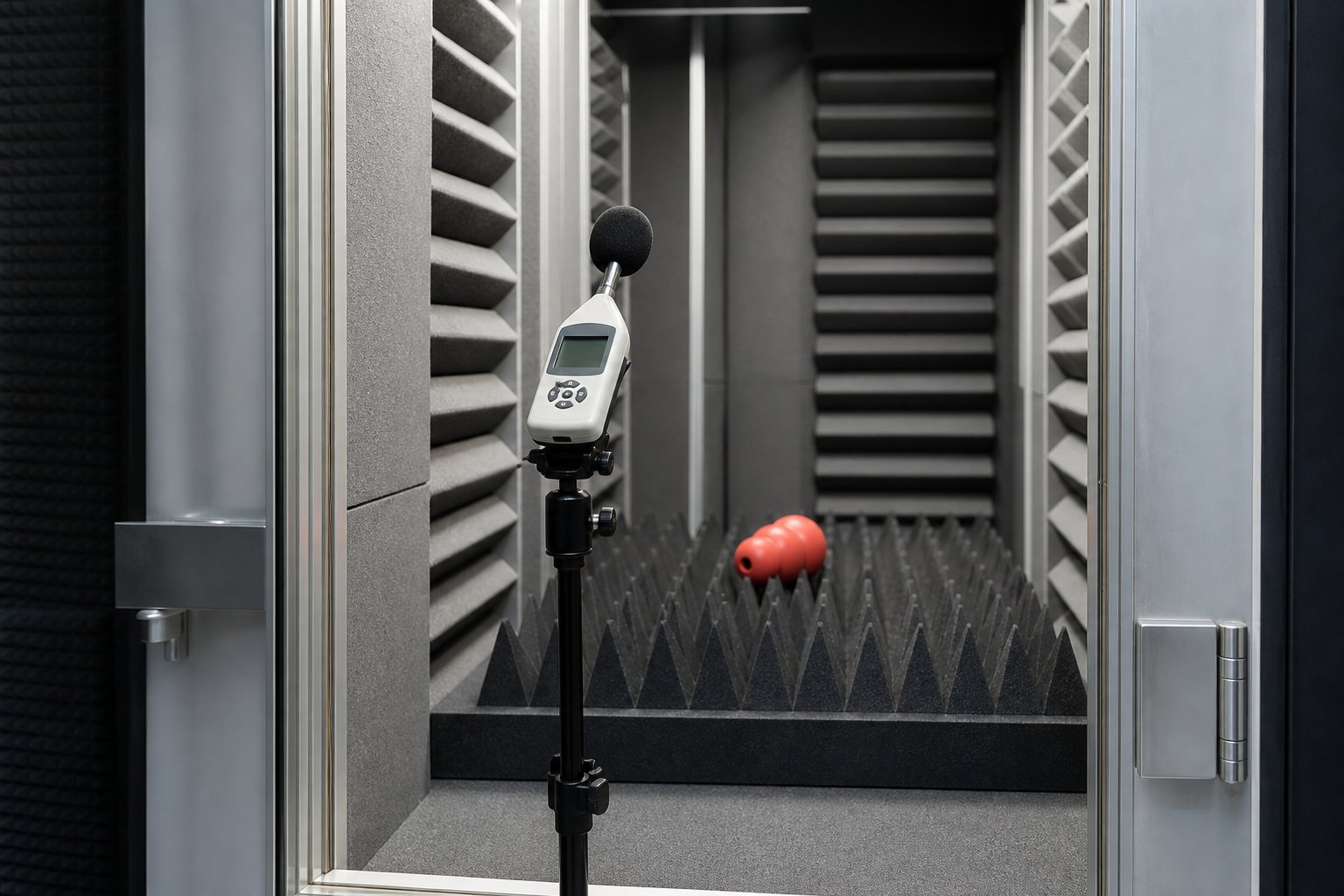
Loudness is a design choice with a behavioral cost. The piercing squeaks that drive fetch sessions in a field are the same ones apartment owners describe as "alarming," and sensitivity varies by dog — seniors and sound-averse dogs often prefer softer, lower-pitched units. The production reality is that squeaker loudness drifts: reed tolerances mean one batch squeaks brighter than another unless the class is pinned. The professional method is a physical reference sample sealed at approval, with production checked against it by ear and by meter at inspection — a subjective-sounding test that becomes perfectly objective the moment both parties keep the same reference.
| Type | Sound character | Chew tolerance | Typical failure mode | Best placed as |
|---|---|---|---|---|
| Flat reed (bar whistle) | Sharp, high-pitched | Lower — thin reed bends easily | Muting from bent or gummed reed | Entry plush, flat toys, crinkle hybrids |
| Dome / gourd | Deeper, rounder squeak | Higher — reinforced housing | Muting later in life; housing crack under extreme bites | Core squeaky plush, dog-grade lines |
| Electronic module | Recorded or synthesized sounds | Housing dependent | Battery drain, water ingress, switch failure | Premium interactive and content-led SKUs |

Why Squeakers Die: The Failure Catalog
Muting follows a short catalog. Reed deformation is the leader: a hard, direct bite bends the plastic flap a fraction of a millimeter and the vibration is gone. Reed contamination is second — saliva, lint and dust load the channel until the reed cannot move freely; some units recover after drying, many do not. Housing cracks come next, typically at the seam where the two halves meet, and nearly always under a concentrated bite. Electronic modules fail differently: batteries drain in months, moisture finds the contacts, and switches gum up.
None of these is scandalous — a squeaker that survives months of deliberate abuse was built well. The failure that actually damages brands is escape: the dislodged unit, small and swallow-sized, leaving the toy. Escape is not a squeaker problem; it is a fixing problem, and it is fully preventable.
Fixing: Adhesive, Pocket, or Both
Three fixing methods dominate, in ascending order of security. Adhesive: the unit is glued into the body cavity — fastest and cheapest, and vulnerable once saliva and flexing attack the bond line; a shaken toy can free a glued squeaker that a fresh one held. Sewn pocket: the squeaker sits inside a small fabric pouch stitched into the shell — mechanical retention that outlives any glue, at the cost of a slower operation. Glue plus pocket: the dog-grade standard — the pocket holds the unit even after the bond gives up, and the glue stops rattle and rotation inside the pocket.
Buyers should specify the method and verify it with a pull test: extract a unit from dissected samples and record the force required. Our earlier guide to what is inside a plush toy places the squeaker within the full internal checklist, and the pull-force values we use per dog-size line are documented on our quality page.
Writing the Squeaker into the Order
The fix for squeaker disputes costs four fields in the RFQ:
- Type and size — flat reed, dome or electronic, with diameter; mixed-size toys declare a unit per position.
- Loudness class — agreed against a sealed reference sample; production matched to it at inspection.
- Fixing method and force — adhesive, sewn pocket or both, with the pull-force requirement stated and pull-tested on dissected samples.
- Mute-rate check — a sample of finished toys is compressed repeatedly; every unit must still squeak before the batch ships.
For buyers building custom shapes, these fields belong in the tooling-stage conversation as well — housing clearance and pocket depth are designed, not improvised. Our OEM/ODM page shows where each field lands in a development brief, and the pull-test guide covers the attachment-force protocol in depth.
Frequently Asked Questions
What types of squeakers are used in dog toys?
Why did the squeaker in my dog toy go silent?
Is a louder squeaker better for dogs?
How should buyers specify squeakers in a purchase order?
Tired of squeaker surprises between batches?
Send your plush formats — we quote squeaker options by type and loudness class, with fixing specs and the inspection plan we run.