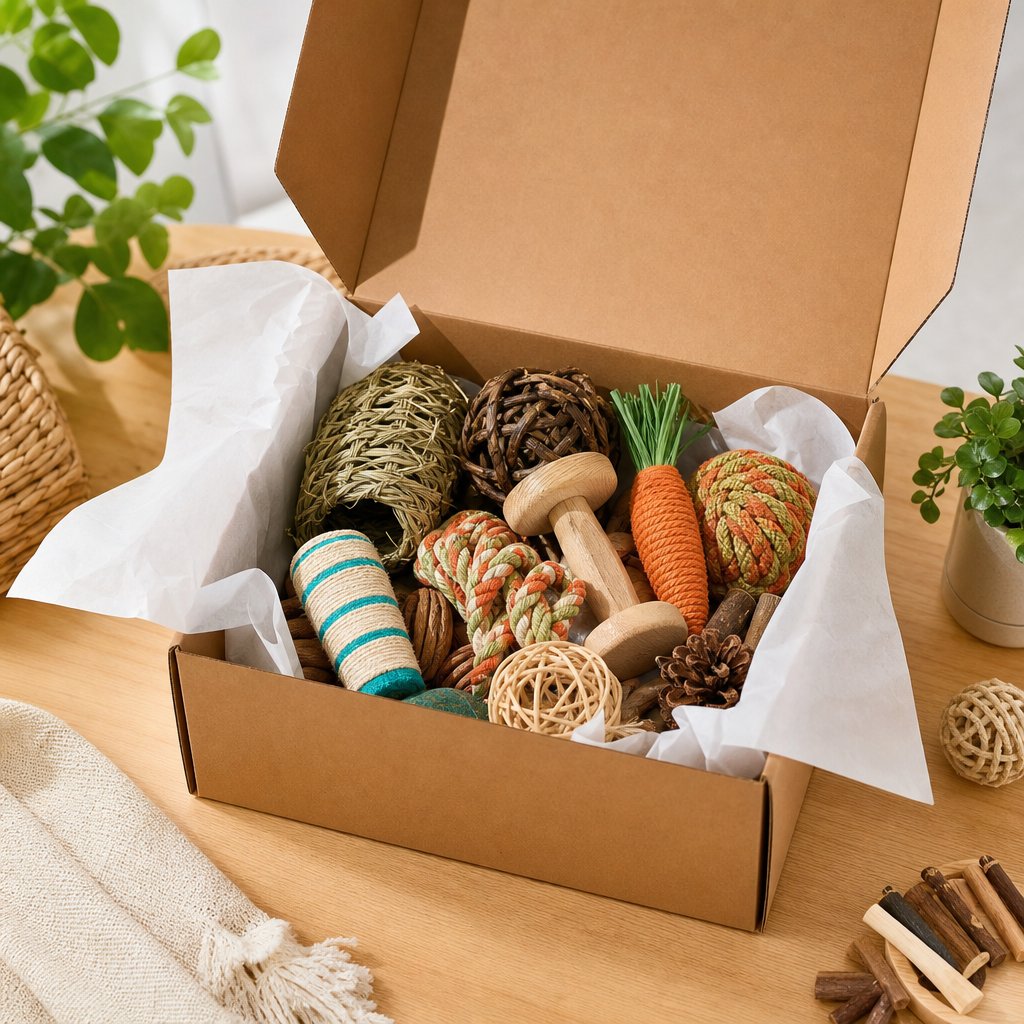
Key Takeaways
- A subscription box is the best buyer in the category and the least forgiving: orders arrive on schedule, and so must the goods.
- Programs run on small multi-SKU lots, steady refresh and immovable dates — a different machine from bulk wholesale.
- The winning supply mix is hybrid: re-badged stock SKUs carry the volume months; OEM exclusives carry the marquee box.
- Kit at origin when possible: packing spec, insert cards and one barcode per box SKU save a full handling pass.
- Agree per-wave QC and settlement terms up front — a box ships to hundreds of homes at once, so a bad wave is a mass event.
Wholesale buyers re-order when sales justify it. Subscription boxes re-order because the calendar says so — every month, hundreds or thousands of households open a parcel that must feel fresh, arrive on time and survive the unboxing. That rhythm makes box programs the most predictable revenue a pet toy supplier can win, and the least forgiving to disappoint: a late or repetitive box is not one refund, it is a churn wave recorded in public unboxing videos.
This piece is written for both sides of that relationship — brands evaluating whether their supplier can carry a box, and suppliers deciding whether to take one on. It covers what the channel actually demands, the supply mix that works, packaging and inserts, the calendar, and the QC and settlement terms that keep twelve months from becoming eleven.
What a Box Program Demands From a Supplier
The channel looks like retail and behaves like nothing else in the category. The structural differences:
| Dimension | Standard wholesale | Subscription program |
|---|---|---|
| Order shape | Few SKUs, deep quantities | Many SKUs, shallow quantities per wave |
| Refresh rhythm | Seasonal, negotiated | Every wave, new mix, no repeats |
| Dates | Slippage absorbed by the shelf | Billing date immovable; customers pre-paid |
| Packaging | Retail-ready per SKU | Kit with insert, tissue and one outer box |
| Failure mode | Slow shelf, quiet markdown | Mass churn, filmed unboxings, community posts |
Read the table from the supplier's chair and the requirements sharpen: a factory or supply partner must coordinate several product lines at once — a wave typically mixes plush, rubber or rope — run short-notice packaging, and kit mixed components into one box without touching a second country's labor costs. Few single-line factories can do this alone; belts and consolidation hubs can, which is exactly what the fulfillment side of our operation is built around.
Curation Plus OEM: The Hybrid Supply Mix
The programs that last stop treating every month as a custom project. The workable split: most wave volume comes from re-badged stock SKUs — existing molds, private-labeled with the box's brand — while one or two hero items per quarter are developed as exclusives. Stock keeps the cadence affordable and the calendar safe; exclusives keep the unboxing worth filming.
Three-tier MOQ structures map onto this naturally: small per-design minimums with a mixed-SKU floor for stock re-badging (at our own stock tier, 200 pieces per design with a 600-piece mixed minimum), a middle tier for customized existing designs, and a higher tier for true new-mold exclusives. The distinctions between re-badging and custom development — and the right moment to move between them — are laid out in our piece on private label versus white label. A box program is, in effect, a white-label channel with a monthly heartbeat and one private-label moment per quarter.
Packaging and Inserts: Designing for the Unboxing
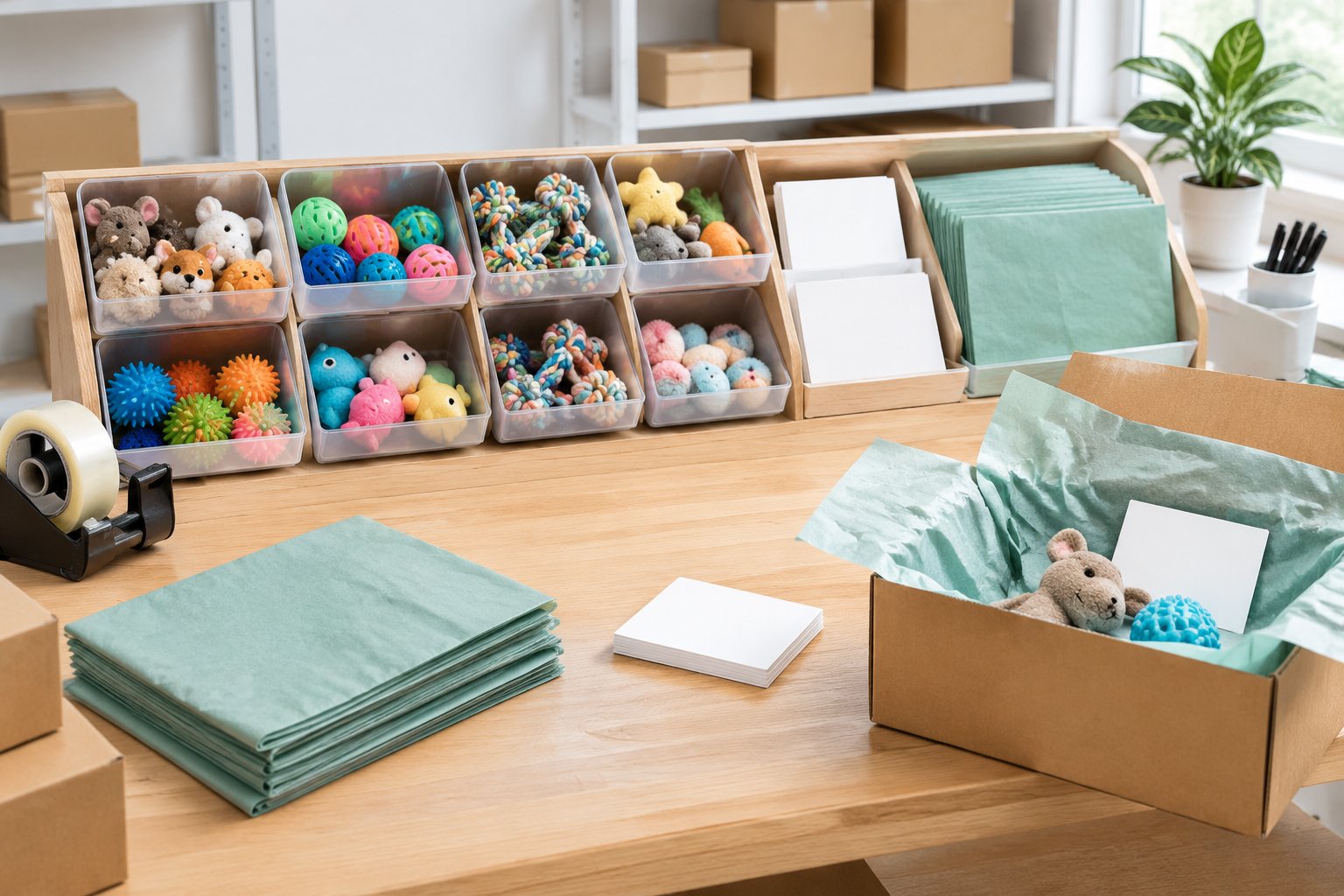
A box is judged in ninety seconds on a kitchen table, so the packaging work is front-loaded. Three components matter. The outer box must survive courier networks while looking gift-like on arrival — corrugate choice and a drop test belong in the spec, not in hope. The insert card is the wave's voice: it names each toy, its intended dog size and chew tier, and the theme that ties the wave together. And the kitting itself — tissue, arrangement, component order — is a written packing specification with photos, so wave nine looks like wave one.
Two structural details pay for themselves. One barcode per box SKU keeps inventory and settlement clean. And kitting at origin, at the factory or consolidation hub, removes an entire handling pass in the destination market — fewer touches, fewer errors, and boxes that open the way the photographer staged them.
The Calendar Is the Contract
Subscription billing dates do not negotiate. The practical translation: every wave has a freeze date — designs locked, quantities fixed — and a ship date, and the distance between them must absorb reality. Stock-based kits need weeks; exclusives need months of sampling and production. The overlay that breaks unprepared programs is the factory calendar: boxes shipping in the first quarter after Chinese New Year are produced in late autumn, before lines go quiet. Our piece on Chinese New Year and Q4 stock walks the overlap in detail — for box programs the rule is simpler still: build the January wave before the December one ships.
Discipline on partial shipments matters as much as buffers. A box is a promise about completeness; shipping a wave missing one component converts a logistics slip into a broken promise delivered several hundred times. The professional default is full-wave-or-nothing, with an agreed remedy ladder in writing.
QC and Settlement, Wave by Wave
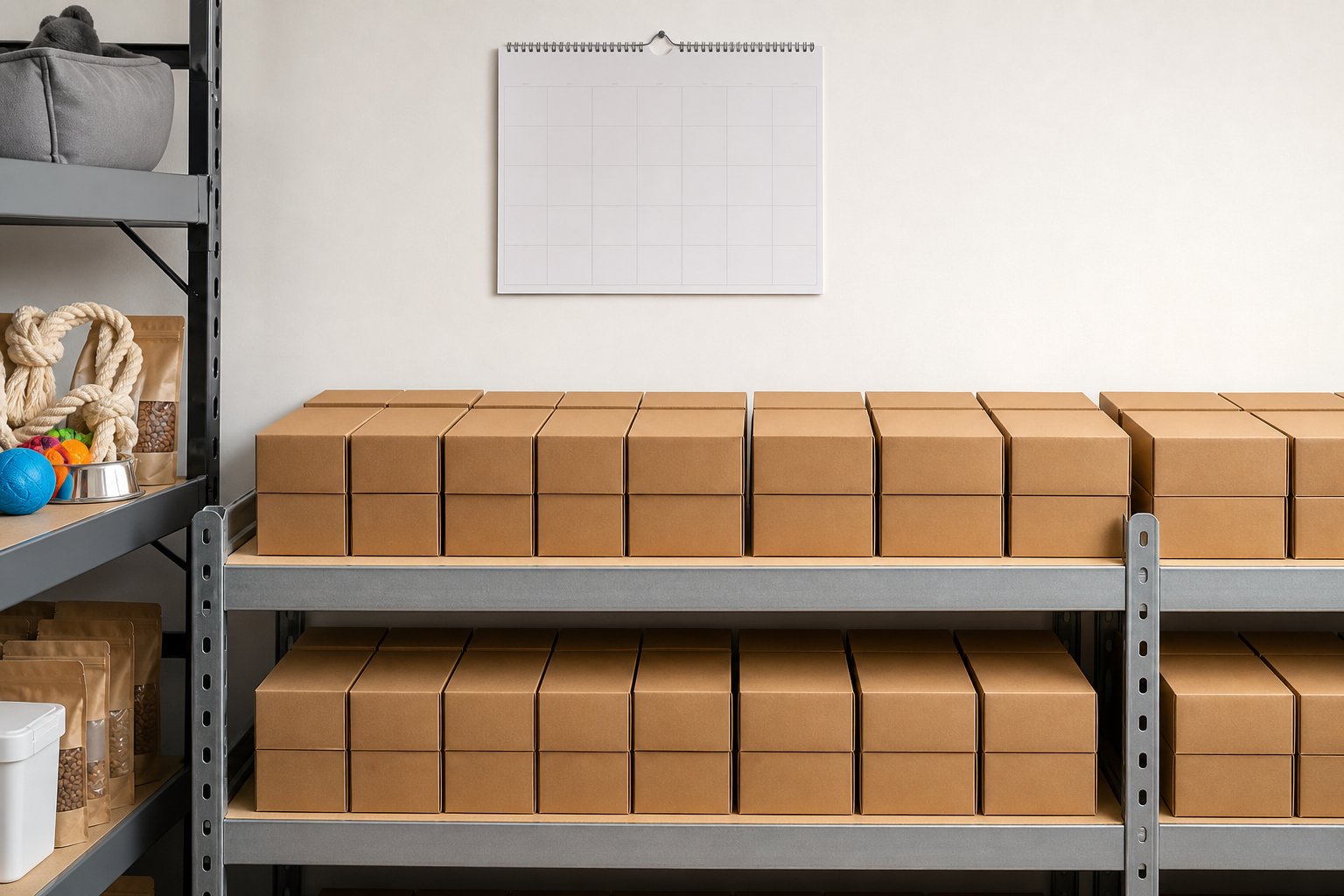
Because each wave is a fresh mix, quality must be inspected per wave, not assumed from the last one. The workable terms: a fixed AQL standard applied to every wave — with odor in the defect catalog, since a sealed box amplifies smells — retention samples kept from each wave for traceability, and settlement anchored to a signed inspection report and packing list. Chargeback clauses belong in the contract in both directions, scaled to remedy rather than punishment: the program is a twelve-month partnership, and the goal is to never invoke the clauses, not to win with them.
One habit closes the loop: after each wave, a short three-line review — what sold, what disappointed, what the next wave should repeat or retire. Curation is a feedback discipline; the supplier who receives it becomes an extension of the editorial team rather than a vendor.
Frequently Asked Questions
What MOQ structure works for subscription boxes?
Who designs the insert cards in a box program?
How far ahead should each wave be ordered?
How is QC handled across monthly waves?
Running a box and need a supplier who keeps the calendar?
Send your wave plan — we reply with curation options, kit specifications and FOB ranges per wave.